Qualifying for the 2026 Brazilian Grand Prix lasted barely two minutes before the sky decided it had seen enough.
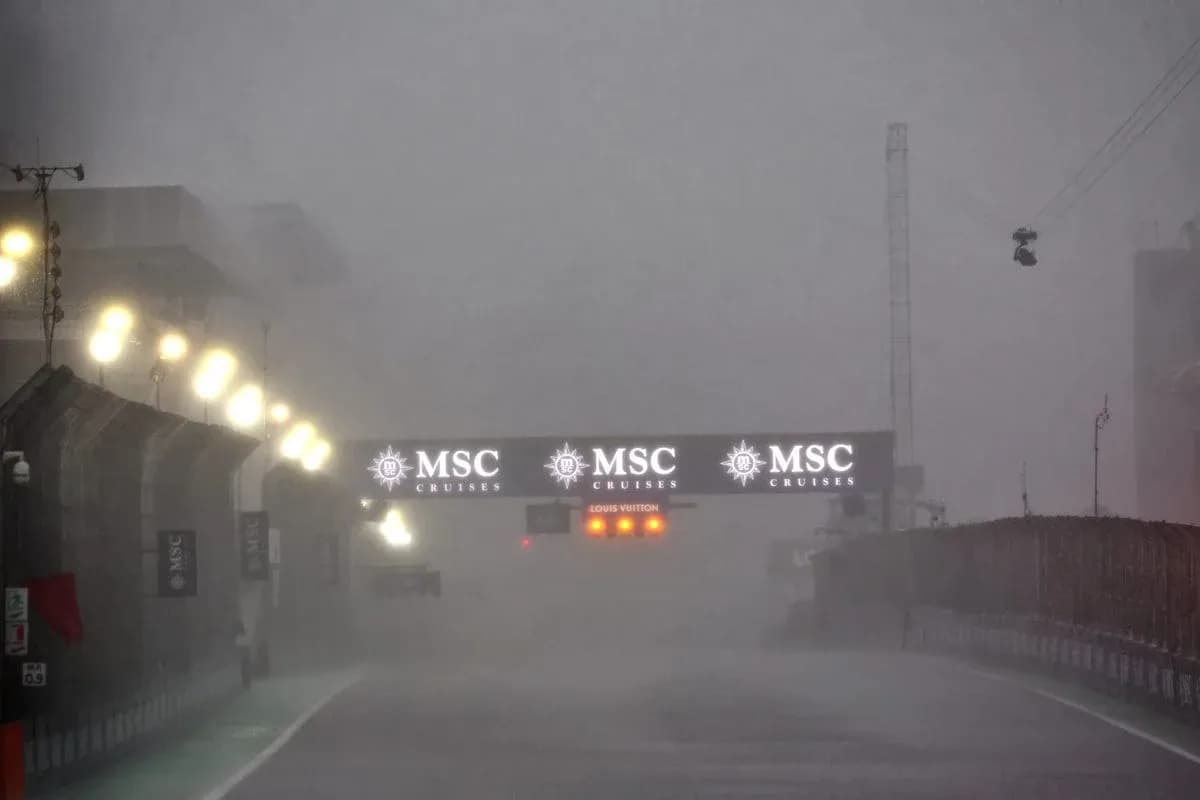
Sheets of rain, long threatened in the forecasts, finally tore open over Interlagos just as the session began, turning what should have been a high‑wire fight for pole into a survival exercise. Within moments, the red flag was out and the circuit resembled a lake more than a racetrack.
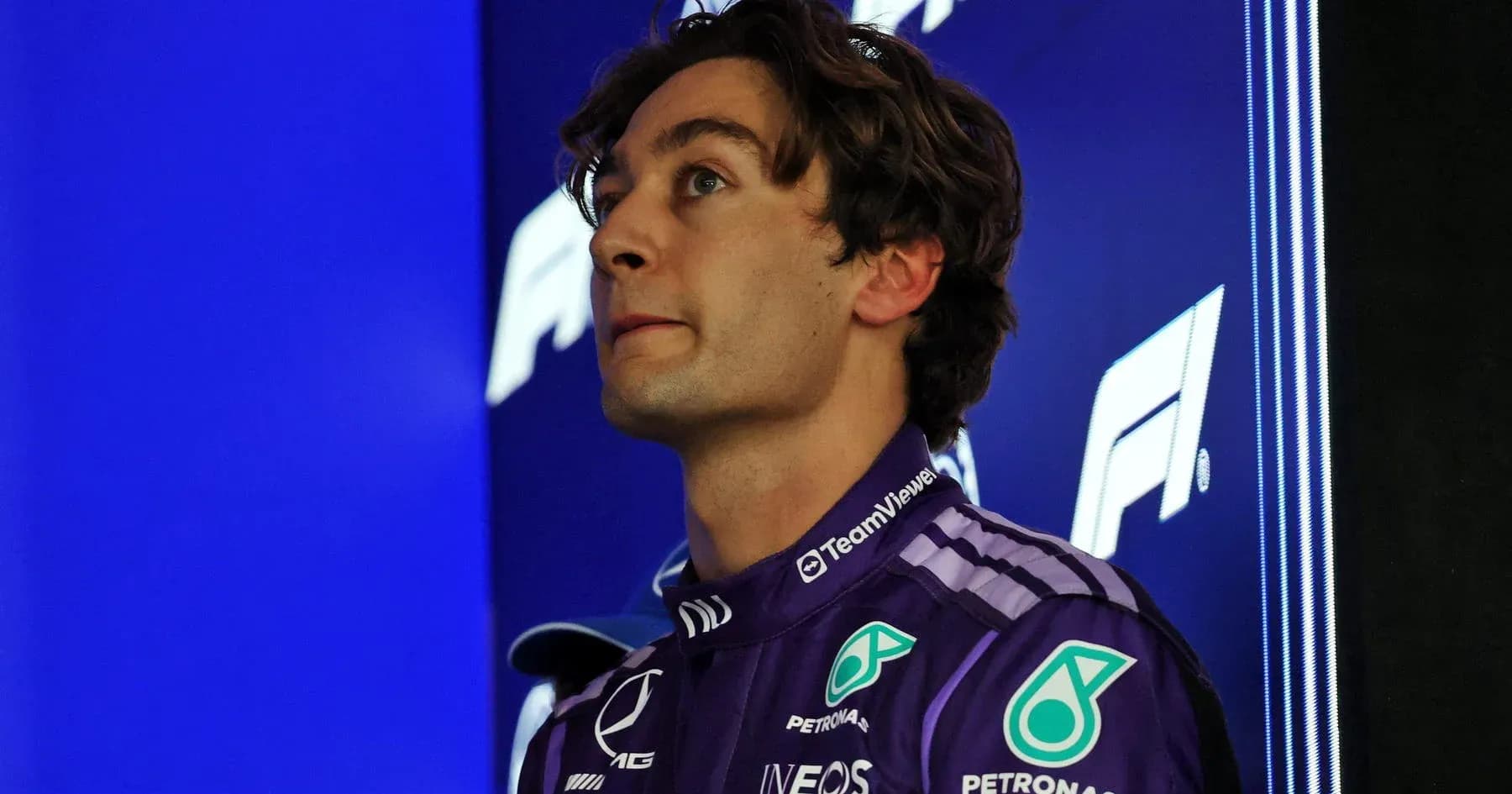
Eight drivers had rolled the dice on intermediate tyres: the Mercedes pair of Kimi Antonelli and George Russell, Charles Leclerc in the Ferrari, Isack Hadjar in the Red Bull, Pierre Gasly and Franco Colapinto for Alpine, Fernando Alonso in the Aston Martin and Valtteri Bottas in the Cadillac.
They barely had time to regret it.
As they tiptoed around on what was effectively a flooded surface, it became obvious that grip was a theory, not a reality. Spray hung in the air, visibility vanished, and the cars skated rather than drove.
Lando Norris came closest to paying the price, a replay showing him almost losing the car in the deluge. Antonelli and Hadjar could only laugh at the absurdity of it all over team radio, joking about needing waterproofs rather than slick pit stops.
Gabriel Bortoleto captured the paddock mood in a single line: “When I get out, I need to change my clothes, I'm completely wet!”
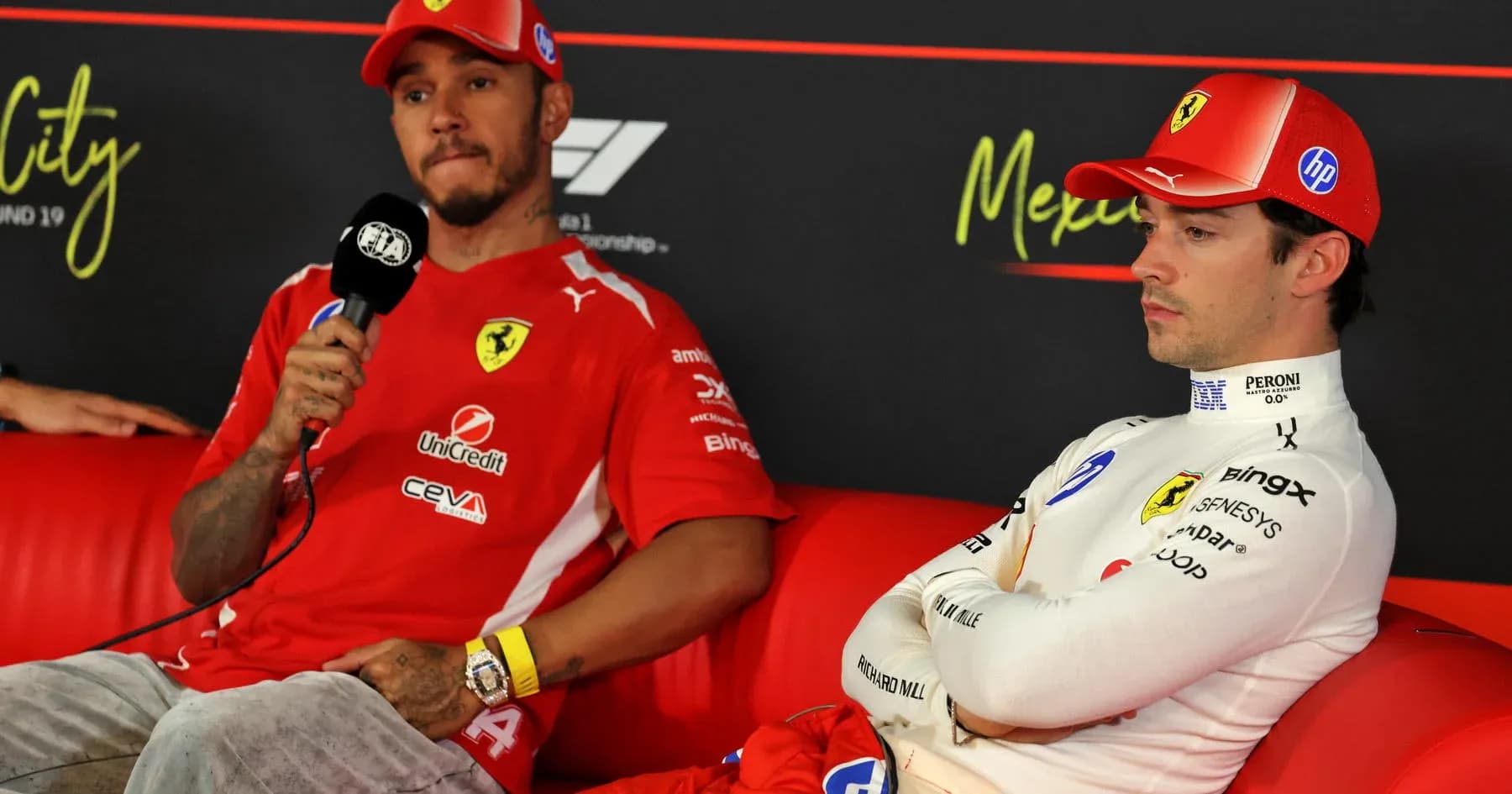
While the brave – or the restless – slithered around outside, two of the sport’s most seasoned operators stayed put. Max Verstappen and Lewis Hamilton never even left the garage, their experience telling them that there was nothing to gain and plenty to lose on a track this treacherous. They remained dry, their cars untouched, as chaos unfolded beyond the pit lane shutters.
Out on track, the rain simply refused to ease. There was no restart time, only the drum of water on tarmac and the steady stream of radio messages updating drivers on how bad things still were. Nico Hülkenberg was told to expect at least 10 more minutes of heavy rain, a message that came at 18:08 UK time and summed up the growing sense of delay without end.
The FIA moved to clarify the situation, confirming an expected 10 minutes of intense rainfall and outlining the next steps. The medical car would be sent first “to assess the level of standing water” once “conditions improve,” a reminder that before anyone could think about lap times, the basics of safety had to be satisfied.
Eventually, there was a hint of movement. Thirty‑five minutes after the original qualifying start time, the safety car finally rolled out to survey the circuit. At the same moment, drivers climbed back into their cockpits, helmets on, belts tightened, ready for a belated start to one of the season’s most atmospheric qualifying sessions.
Hope lasted two laps.
The safety car completed a pair of reconnaissance tours, cutting through rivers that still snaked across the asphalt. As another heavy band of rain swept in, any fragile optimism dissolved. Drivers climbed back out of their cars, the garages once again filling with damp overalls, dripping helmets and the low murmur of teams recalculating schedules.
Interlagos has a reputation for drama on Saturdays. This time, the weather stole the show, and qualifying turned into a waiting game with no clear end in sight.