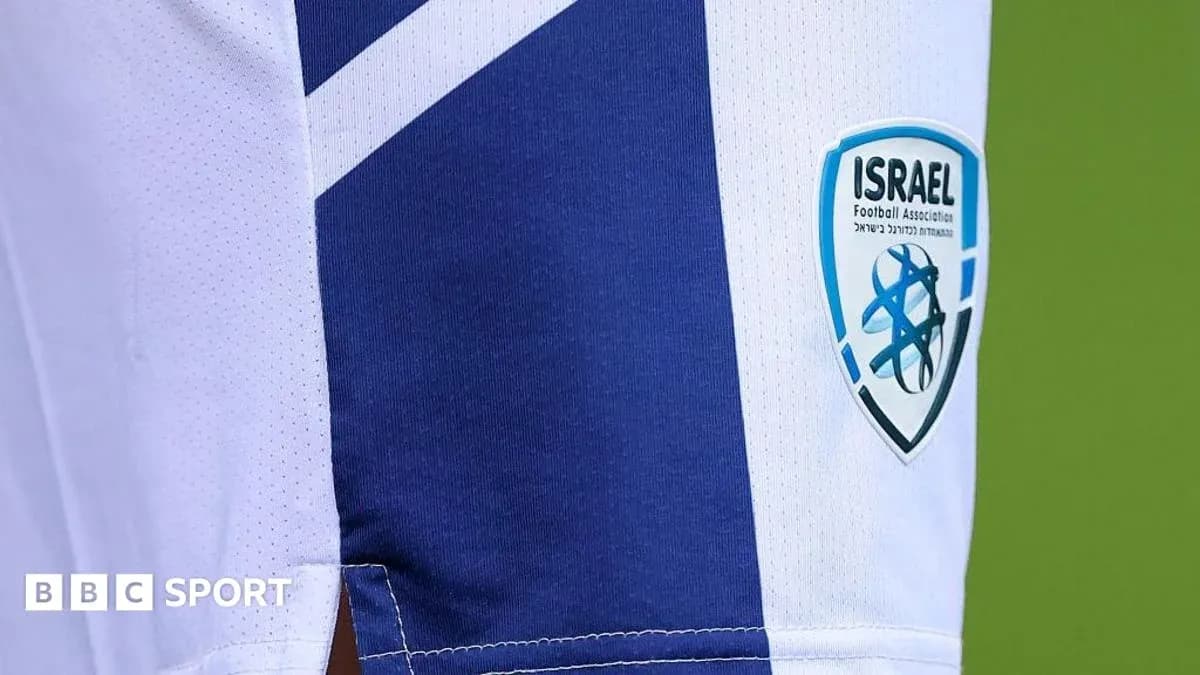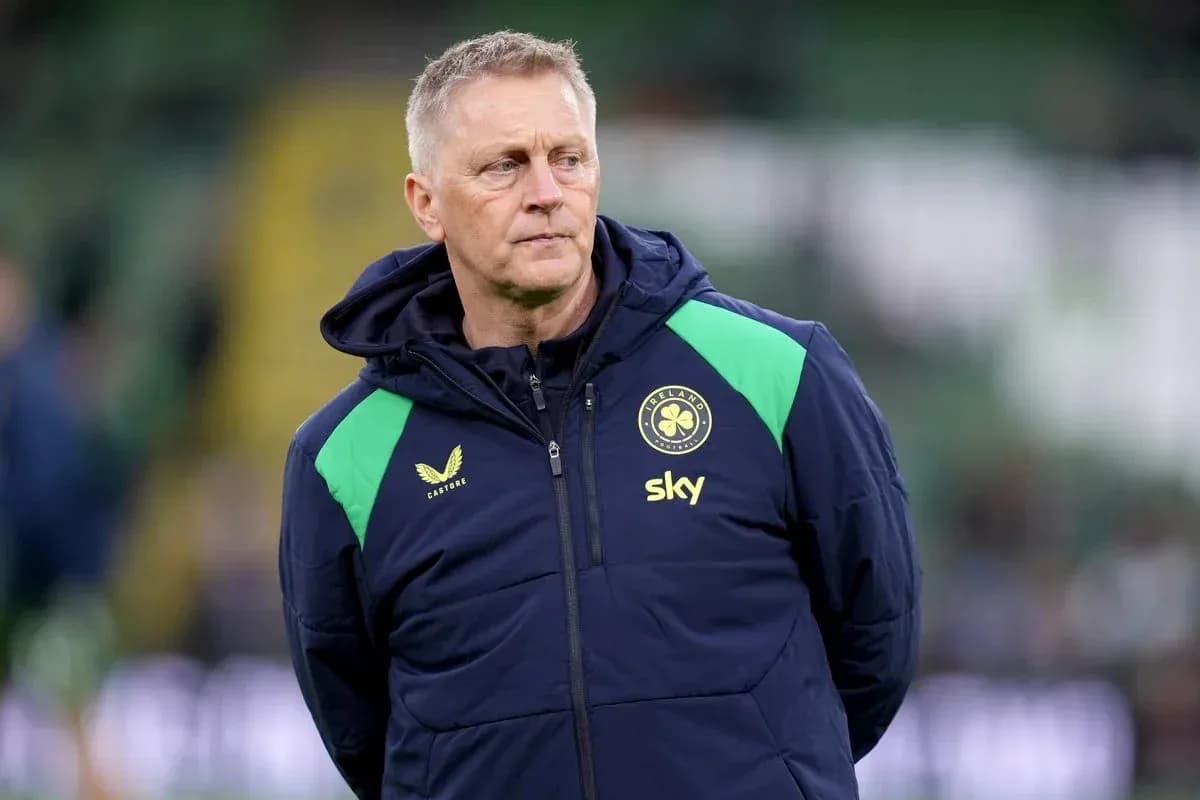
The Israel Football Association has launched a blistering attack on Republic of Ireland manager Heimir Hallgrimsson, accusing him of “hypocrisy and stupidity” after he said his side would be “playing against genocide” in their upcoming Uefa Nations League meetings with Israel.
The two countries have been drawn together in the same Nations League group, with Ireland confirming they will fulfil both fixtures despite growing political and public pressure to boycott. Security concerns mean neither game will take place on home soil: the first will be staged in Hungary on 27 September, with the return match set for Serbia.
Hallgrimsson, speaking after naming his squad at the weekend, did not disguise his unease.
“None of us feel comfortable playing in these games,” he admitted. Asked how his players could concentrate amid calls at home to refuse to face Israel, he replied: “We’re not playing with genocide, we’re playing against genocide. We’re playing against Israel, we’re not playing with Israel.”
Those words detonated in Tel Aviv.
On Monday night, the Israel FA issued a furious statement on social media, turning Hallgrimsson’s language back on him.
“We have contributed to the world and humanity in countless fields, earning an impressive number of Nobel Prizes along the way,” it said. “Unfortunately, we have not yet found a cure for stupidity, ignorance and hypocrisy displayed by @IrelandFootball team coach. We're not playing with ignorance, hypocrisy and stupidity, we're playing against the coach who embodies them.”
The FAI has so far declined to respond publicly to the broadside.
Hallgrimsson’s comments land in the middle of a far wider storm. The Israeli government has repeatedly rejected accusations of genocide over its military campaign in Gaza, launched after the Hamas attacks of 7 October almost three years ago, when about 1,200 people were killed and 250 taken hostage. More than 70,000 Palestinians have been killed in the war, according to figures used by the United Nations.
Inside Irish football, the moral argument collides head‑on with competitive reality. The FAI has previously warned that refusing to play Israel would carry “profound” consequences for the entire game in the country. Forfeiting Nations League points, they argue, could damage Ireland’s prospects of reaching Euro 2028 – a tournament they will co‑host – and future World Cups.
The association has not been silent at European level. It wrote to Uefa last November calling for the immediate suspension of the Israel FA, and later lodged a request to ensure the Republic of Ireland and Israel are kept apart in future draws. That bid was rejected.
According to the FAI, Uefa’s reasoning was stark: the two states have “never been in direct conflict”.
A Uefa spokesperson underlined the governing body’s stance. Decisions to prevent certain teams from being drawn together, they said, depend on “several factors, especially conditions between the two countries leading to structural risks for security”. Each case is assessed “on its own merits” with ongoing monitoring of “all facts and developments”.
While the institutions trade letters and statements, pressure on the FAI is intensifying at home.
More than 160 Irish sportspeople have signed an open letter from the Irish Sport for Palestine Group urging the association to reverse course and refuse to play Israel. “This is a significant moment and with this moment you have an opportunity to do the right thing,” the letter reads. “Not playing the game would be the most sporting thing you could do.”
Voices from the country’s footballing past have joined in. Former Republic of Ireland international Kevin Kilbane, writing in the Irish Times, was unequivocal.
“Ireland should not be playing Israel. Not in Dublin, not in Hungary, and definitely not a ‘home’ match in Serbia. Not while Israeli forces are committing genocide,” he wrote. “We as Irish people could have faced down the consequences together. The FAI would have had my support as a former international.”
The protests are no longer confined to print or social media. On Monday evening, a group of demonstrators gathered outside the team hotel in Dublin, calling on the FAI to abandon the fixtures and accept whatever sporting punishment might follow.
For now, the games remain on the calendar, shifted to neutral ground, heavy with symbolism and tension. Ireland will travel, Israel will prepare, and a pair of Nations League ties will carry a weight that stretches far beyond the usual calculations of points and permutations.