On a day that was supposed to belong to Ferrari, Monza turned silver.
The Italian Grand Prix erupted into chaos within minutes, left the Tifosi stunned in their own temple, and ended – fittingly, perhaps inevitably – with Mercedes in command and a teenager rewriting the script from the back of the grid.
Leclerc out, Tifosi silenced
The noise around the circuit before lights out had been pure Monza: flags, flares, and a wall of red for Charles Leclerc. It didn’t last.
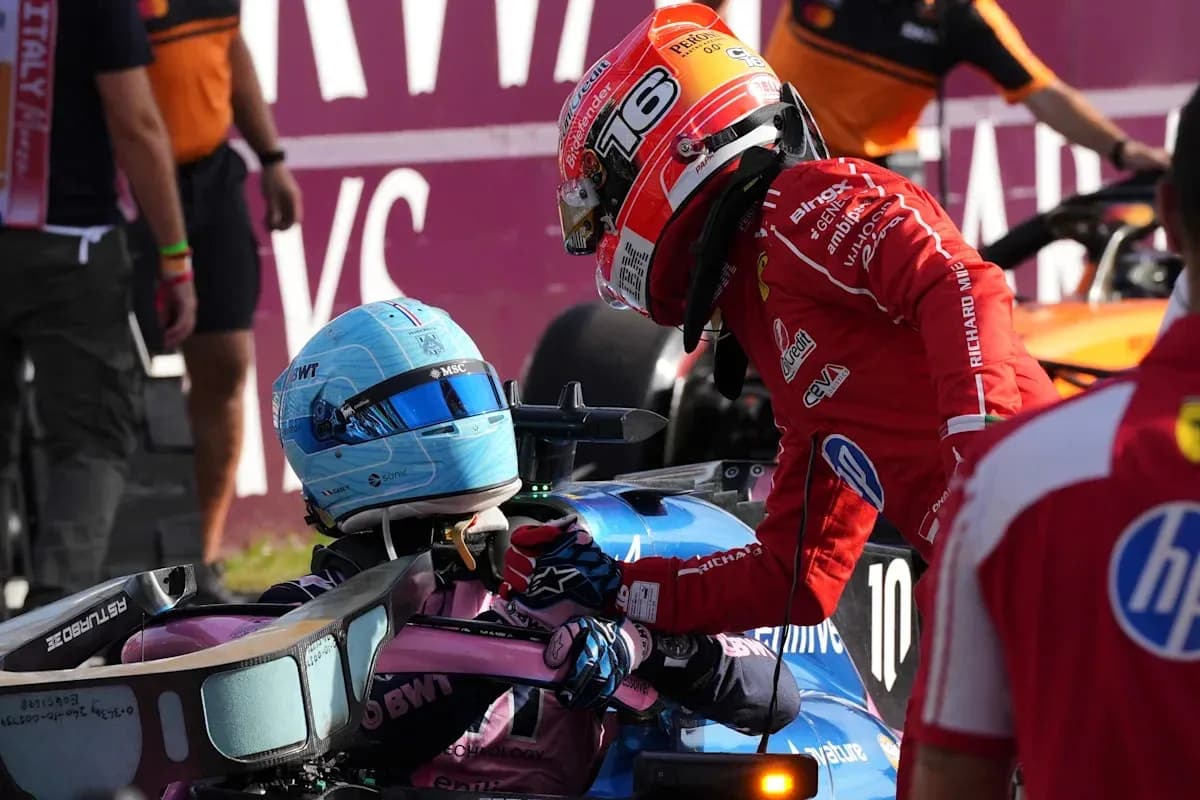
Barely into the opening phase of the race, Leclerc lost control and speared off the track, slamming into the tire barrier. His Ferrari came to rest crumpled, his race over in an instant. He climbed out quickly and appeared unhurt, but the damage to Ferrari’s afternoon – and to the mood in the grandstands – was immediate.
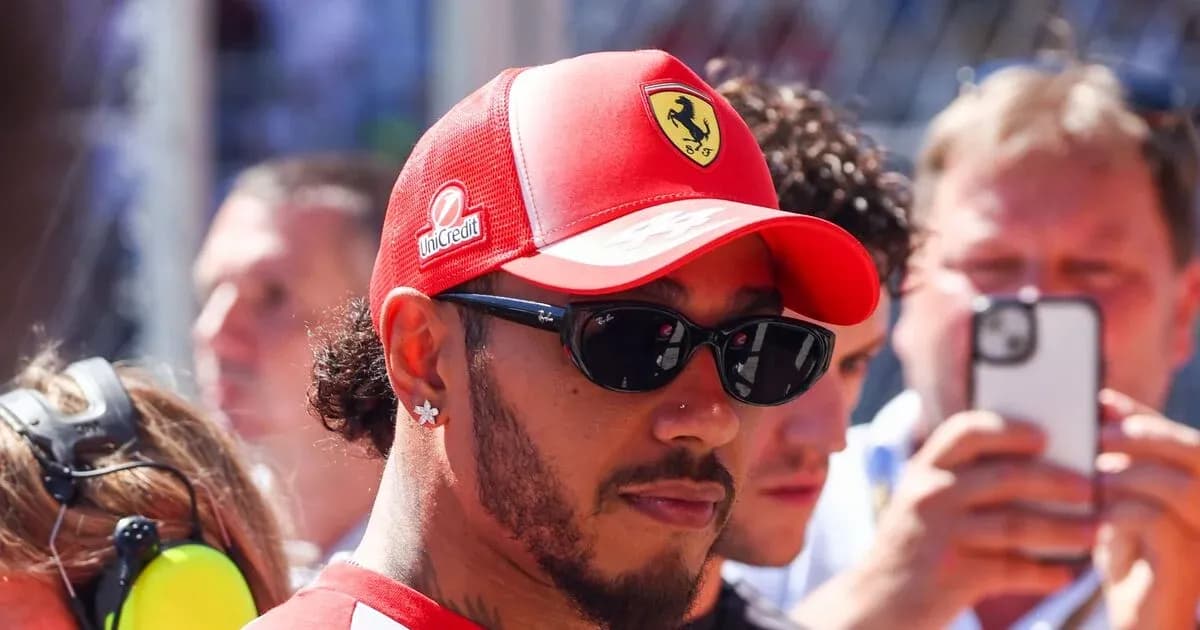
The red flag followed. The crowd, already on edge after a difficult season, watched their home hero walk away from a wrecked car instead of fighting at the front. Around the same time, Lewis Hamilton, who had already endured a frustrating qualifying, slid down to eighth by lap 4. The locals had their verdict: this was not their day.
Gasly’s launch, Russell’s response
When the race first got underway, Pierre Gasly nailed the start. The Frenchman led into Turn 1, Hamilton ran wide and bled three positions, and the field began to sort itself out through the Variante del Rettifilo.
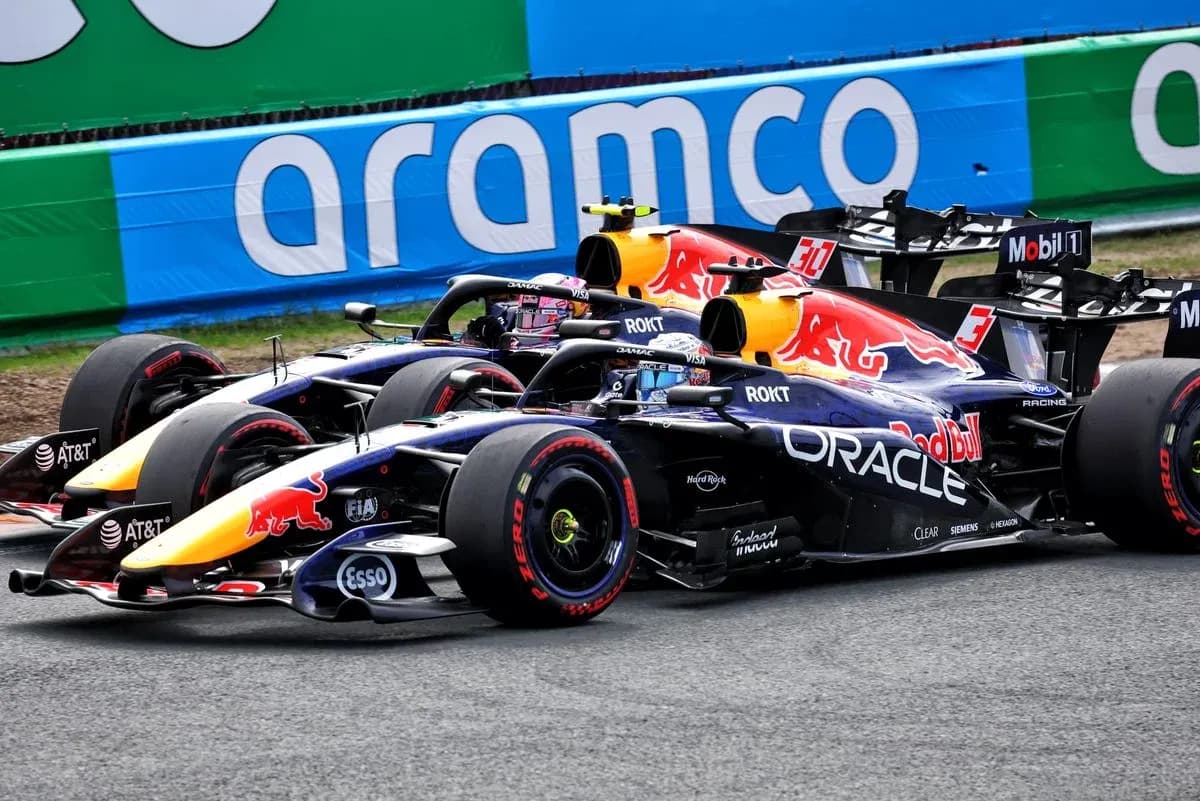
The lead, though, was anything but settled. On lap 2, George Russell and Gasly traded blows at the front. Russell muscled his way ahead, Gasly snatched the place back, and then Russell struck again, this time making it stick with a comfortable margin. Behind them, Max Verstappen was already on the march, climbing into third and lurking ominously in the mirrors of the leaders.
Then came Leclerc’s crash. The red flag froze a race that had barely begun to breathe.
Restart reshapes the race
When the FIA confirmed the restart time – 10:39 a.m. ET – teams had a brief window to reset strategies and nerves. The drivers had none.
On the restart, Russell launched perfectly. So did Hamilton. The seven-time world champion pounced, slicing through the pack and reclaiming lost ground within a handful of corners. Alpine’s Franco Colapinto, by contrast, slid down the order and tumbled to 15th after running off the track. It was that kind of restart: ruthless for some, ruinous for others.
The rhythm of the race changed. Russell controlled the front, Hamilton went hunting, and the midfield scrapped for every inch of asphalt. The early drama had cleared some of the traffic, but it also opened the door for a story nobody expected at Monza.
Antonelli’s charge from nowhere
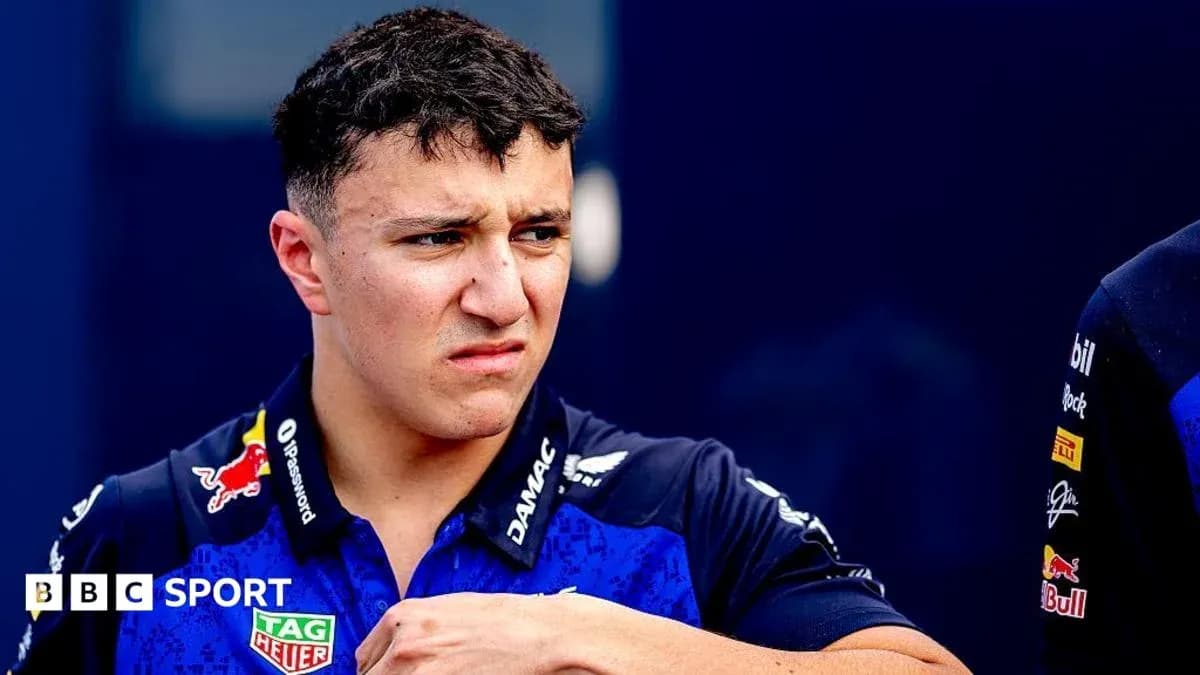
From 19th on the grid, Kimi Antonelli should have been anonymous. A points leader starting that far back at Monza usually spends the afternoon damage-limiting, not headline-grabbing.
He did the opposite.
Lap after lap, Antonelli carved through the field with a relentlessness that belied his age. By the time the race settled after the restart, he was already into the points. Then into the top ten. Then into fifth, snapping up positions with the kind of decisive moves that turn potential into authority.
As the race moved into its decisive phase, Hamilton climbed into third, Verstappen seized the lead, and the front of the field became a chessboard of champions and contenders. Through it all, Antonelli kept coming. When the dust finally cleared, the points leader was not just in the mix – he was in control, leading the race after an astonishing surge from 19th.
Monza has seen some famous charges over the decades. This one goes straight into the file.
Verstappen strikes, Mercedes answers
For a spell, it looked like Verstappen might bend the race to his will again. The Red Bull star moved into the lead, capitalising on the ebb and flow at the front and reminding everyone why he has owned so many Sundays in recent years.
But this was not a one-team procession. Mercedes, bruised by recent seasons and by a scruffy Saturday for Hamilton, found something sharp when it mattered. Russell’s early authority, Hamilton’s recovery drive into third, and Antonelli’s late-race surge turned the Italian Grand Prix into a statement performance for the team in silver and black.
By the time the race hit its closing stages, the message was clear: it was all coming up Mercedes at Monza.
Hamilton’s frustration, Mercedes’ opportunity
Hamilton’s mood after qualifying had already hinted at the tension inside Mercedes. Starting out of position at a circuit that punishes mistakes, he knew he had work to do. Dropping places at the start only deepened the frustration.
Yet his response was pure Hamilton: aggressive, uncompromising, and relentless. Climbing back to third in a race that swung wildly around him, he played his part in turning what could have been a damage-limitation weekend into a power play for the team.
The contrast with the grandstands was stark. As Hamilton rose and Leclerc watched from the garage, the Tifosi had to live with a familiar sight: a resurgent Mercedes dictating terms on their home soil.
A new order taking shape?
By the flag, the storylines were clear. Verstappen had led. Hamilton had fought back. Russell had stamped his authority early. But the image that will linger from this Monza afternoon is Antonelli, the points leader, dragging himself from 19th on the grid to the front and holding that position with the composure of a veteran.
On a day when Ferrari’s hopes hit the barrier and Red Bull’s champion briefly took control, it was Mercedes – and its new standard-bearer – that walked away with the momentum.
Monza has a habit of exposing pretenders and elevating the real thing. If this was a glimpse of the sport’s next era, the rest of the grid has a new question to answer: how do you stop a Mercedes team that can dominate from the front and from 19th on the same afternoon?