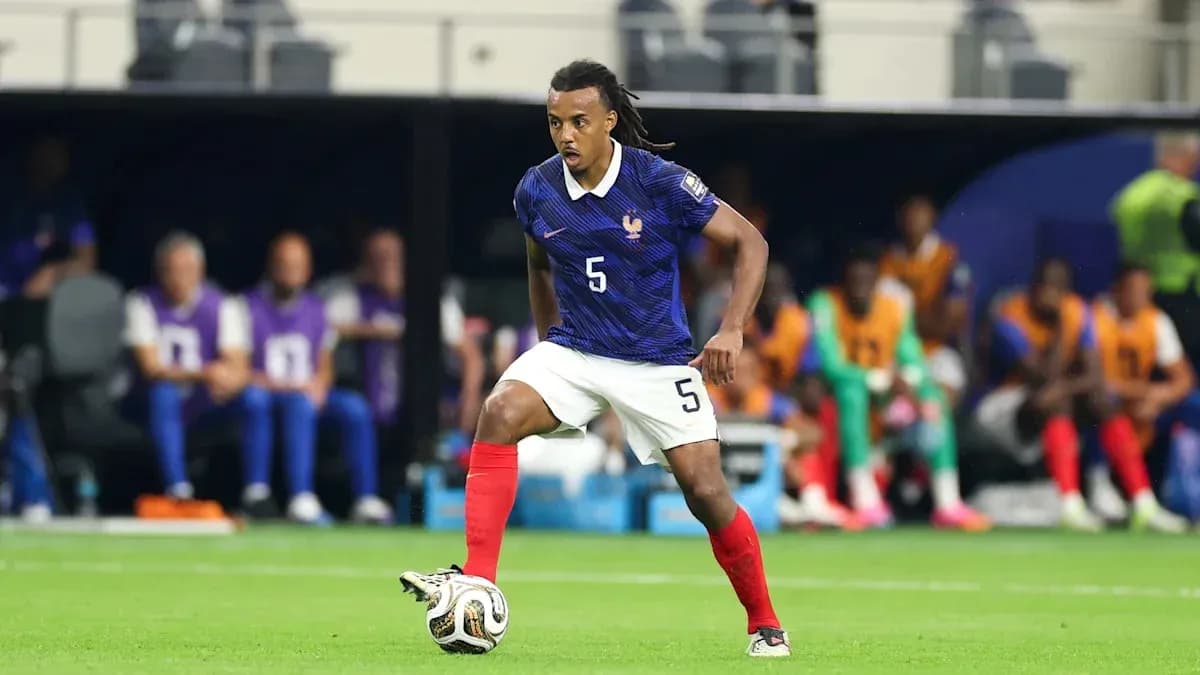
As England shrank deeper into their own penalty area in Atlanta, waiting almost meekly for Lionel Messi to finish the job, the arguments started. Wrong shape. Wrong subs. Wrong squad.
One name barely mentioned on the night, but impossible to ignore in the cold light after, was Jack Grealish.
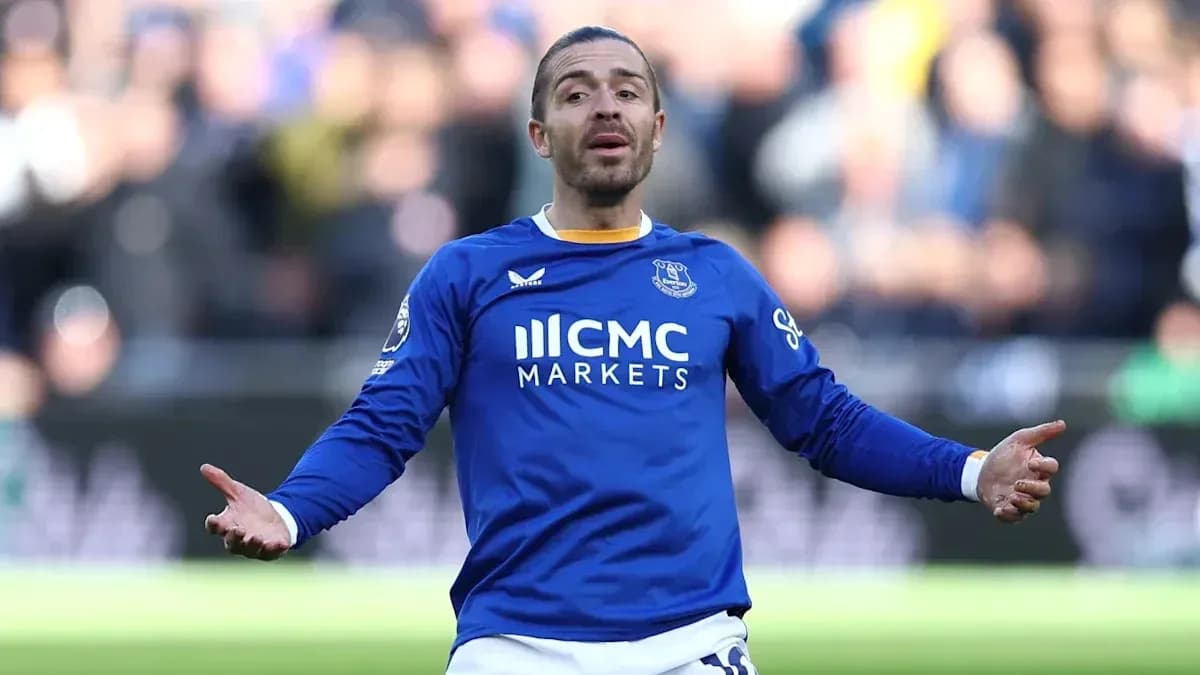
England could have used him. Manchester City once built a treble around him. Everton, right now, don’t want him anywhere near the pitch.
It is a remarkable fall.
From Villa idol to Guardiola’s problem to Everton’s headache
Grealish’s story used to be the easy one to tell. Local lad, cult hero at Aston Villa, the kid with rolled-down socks and a street-footballer’s swagger who dragged his boyhood club back into the big time. Then came the £100 million move to Manchester City in the summer of 2021, a British record, a statement that Pep Guardiola wanted him not as a luxury but as a cornerstone.
The first year was an adjustment. New teammates, new expectations, new demands. By his second season, though, the picture changed. Grealish became central to City’s treble charge in 2022-23. He took the ball when others hid, slowed games down when they were frantic, carried City up the pitch and made clever, unfussy decisions in the final third. He was the man Guardiola trusted to give his team control.
For six months, he looked like the most important £100m in English football.
That player feels a long way from the one currently frozen out at Everton, on loan, in the final year of his City contract, more than two years removed from his last England cap.
The Everton exile
The latest chapter began innocuously enough. Grealish missed Everton’s 2-0 defeat at Arsenal on October 24 with illness. Five days later, he was absent again as David Moyes’ side beat Newcastle United 3-1 in the Carabao Cup, this time "due to a breach of club discipline."
He stayed out of the squad for the 1-0 league win at Newcastle. He will not feature when Coventry City visit the Hill Dickinson Stadium on Friday.
"Jack's not available," Moyes said before that game. "I wouldn't give you the plan, but we will be working with Jack again soon."
Pressed on whether Grealish was even at the club, Moyes shut it down. "I would rather not answer your question. Right from the start, hopefully you picked up on my words. I said it was a club issue and it continues to be that."
Behind the guarded language, the picture has been sketched elsewhere. Everton have kept their public stance tight, stressing that this is not simply a manager’s whim. Senior figures at the club are involved. The widely reported reason: an unauthorised absence from training in the week after the Arsenal game.
And once again, Grealish’s football story collides with his social life.
Nights out, days missed, trust eroded
On Monday, October 19, Grealish attended the Pride of Britain awards in London. Reports in The Sun and the Daily Mail placed him later that night at Bam Karaoke Box in Victoria. He trained with Everton the next day, then watched Paris Saint-Germain vs. Barcelona in a Cheshire pub with teammates, including Jordan Pickford.
Wednesday was a scheduled day off. Players enjoying their downtime is normal, within reason. The Athletic reported that Pickford left the pub early. Grealish stayed.
This is familiar territory. Pickford and Grealish are close friends off the pitch. Back in March 2025, during a rare quiet spell, the pair spent time at a social club, where Grealish put £500 behind the bar for regulars. It was a gesture that summed up his everyman appeal, the superstar who still looked and acted like the lad from the local.
Those same qualities — the charm, the generosity, the sense that he’s one of the people — have often bought him time and patience. Managers, teammates, fans have all indulged him. They’ve wanted him to succeed.
Yet here he is: out on loan for the second year running, City long since moved on, Everton wrestling with what to do next.
City’s £100m puzzle
The easy narrative is that Grealish had half a season of brilliance at City and little else. That’s not quite true.
Even as his role shrank in those final years, Guardiola’s side usually looked more balanced with a sharp, fit Grealish on the pitch. The problem was getting him there.
Injuries bit hard in the middle of the 2023-24 campaign, and Grealish responded. He helped keep City on track for a record fourth straight Premier League title and played a key role in their Club World Cup triumph. When he found rhythm, City found fluency.
Then the pattern returned. Niggling injuries. Absences. Match fitness slipping away. By the time City lost the FA Cup final to Manchester United, Grealish wasn’t even in the squad. He missed Euro 2024 with England.
One night in February 2025 captured the whole riddle. Guardiola, who hadn’t started Grealish in a single Premier League game that calendar year, threw him in from the start against Real Madrid in the Champions League. Grealish was outstanding. He slid a superb pass into the move that led to Erling Haaland’s opener.
Thirty minutes in, he went off injured. City lost 3-2. He started just one more league game all season, in a heavily rotated side against a doomed Leicester City.
"Grealish's problems haven't been technical, tactical, or due to a lack of trust from [Guardiola], who clearly loves the player," a source told The Sporting News that summer. "I think we all know that Jack's issues have been of a different nature. And yes, it's a shame."
The shame deepened a few months later. In April, paparazzi photographed Grealish asleep at a Manchester rooftop bar while he was recovering from the foot injury that had cut short what looked like a restorative 2025/26 loan spell at Everton.
Inside Goodison, opinion was split on bringing him back for a second season. The need was there — Iliman Ndiaye’s move to City left a vacancy — but the risk was obvious. Everton took it anyway.
Maresca’s praise, Rice’s warning
Back in Manchester, Guardiola’s successor Enzo Maresca spoke warmly about Grealish in July, calling him someone who "has a big heart and is a very good guy." Maresca used him off the bench in the Community Shield defeat to Arsenal and the Premier League win over Bournemouth in August. Grealish, for his part, talked fondly of Maresca, a trusted assistant during the treble year.
Yet nobody inside City expected a long-term reunion. The relationship had run its course.
Outside the club, one voice captured the frustration and the admiration better than most. "D'you know how good Jack is?" Declan Rice asked after both he and Grealish scored in England’s 3-1 Nations League win in Finland in October 2024.
Rice, now a Ballon d'Or nominee and the heartbeat of Arsenal’s title-winning side, spelt it out.
"You watch him in training and you watch him in games, he's got something that's really special as a football player. And I'm not just saying that because he's one of my best friends in football.
"The way he takes the ball under pressure and takes touches and relieves you of pressure as a team is just incredible. I'm buzzing for him because when we've got a Jack Grealish who's happy and smiling and playing well, he's a massive boost for England."
Grealish has not played for England since.
A talent on the brink
Those Rice quotes feel like they belong to another era now. Happy and smiling and playing well has given way to sidelined and suspended and missing.
The central question hangs there, uncomfortable and unavoidable: does Jack Grealish truly understand how good he is — and what he is in danger of throwing away?
At City, he initially looked overawed sharing a dressing room with Kevin De Bruyne and the rest of Guardiola’s serial winners. Over time he grew into that environment, then slipped into a cycle of injury, absence and off-field noise that Guardiola, for all his public backing, eventually tired of managing.
At Everton, the cycle threatens to harden into something worse: irrelevance. A 31-year-old on the outside looking in, while his loan club win games without him and his parent club quietly plan for life beyond him.
Plenty of people have decided Jack Grealish was worth another chance. Managers have fought for him, executives have signed off on him, teammates have vouched for him. They’ve seen the same thing Rice described: a player who can take the ball in a storm and make it feel like a summer evening.
Now, for the first time, it feels as though the next decision rests less with clubs and coaches and more with Grealish himself.
Is he ready to fight for the career that once made £100m look like a bargain — or will one of England’s most gifted footballers of his generation watch the final chapters of his story fade out from the sidelines?