Japan's World Cup Dream Ends Amid Saki Hayashi's Injury
Japan’s World Cup dream ended in a 21-point defeat. The arena will remember something else.
Hungary’s 84–63 win sealed a quarterfinal place and sent Japan out of the FIBA Women’s Basketball World Cup. Yet by the final buzzer, the scoreline felt like a footnote. All eyes, all conversation, circled back to Saki Hayashi.
A game stops for Saki Hayashi
It came late in the second quarter, with just over a minute remaining. Hungary’s Dorka Juhasz rose for a mid-range attempt, only for Japan to snuff it out with a block. Rui Machida scooped up the loose ball and pushed, head up, racing into transition.
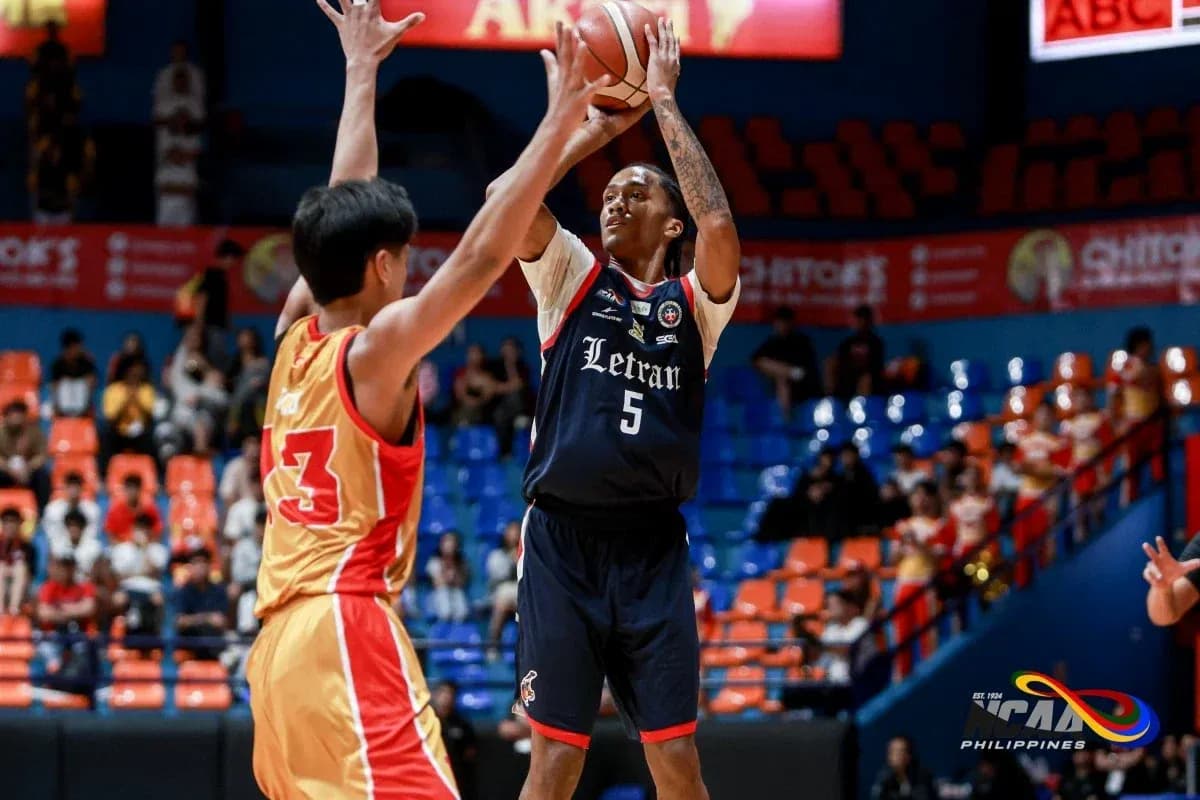
She spotted Hayashi sprinting up the right wing and fired a sharp pass into her shooting pocket. Hayashi caught, rose over tight defense from Agnes Torok and buried the jumper, plus the foul. Two points on the board, a whistle against Torok, momentum for Japan.
Then the mood flipped.
Hayashi landed awkwardly on her right arm. She went down immediately and stayed there, clutching the limb, motionless. What looked like a broken arm turned a routine and-one into a scene that left players and fans rooted to the floor.
The arena fell into an eerie, heavy silence. Medical staff rushed in. Team officials quickly raised a blue tarp to shield her from view as treatment began. The only sound that cut through was a gentle, respectful applause as she was eventually taken away.
On social media, FIBA Women’s Basketball posted: “Prayers up for Saki Hayashi, who sustained an injury during the second quarter,” capturing the concern that had swept through the tournament.
Japan rattled, Hungary ruthless
Japan still had a World Cup life to fight for. It hardly felt that way in the moments after the injury.
Head coach Corey Gaines admitted he had no immediate information on Hayashi’s condition after the game.
“I don’t know anything about her yet,” he said, via the Associated Press. “I saw what happened, but I don’t know what went on. She was gone by the time we got back from the court at halftime… so I don’t know.”
He understood the emotional toll on his group.
“Of course it’s emotional when you see when the players go down like that,” Gaines said. “I was just trying to get their minds off of that, back onto the game. That’s tough though.”
Veteran center Maki Takada, speaking through a translator, revealed the halftime message: rally for Hayashi, somehow.
“We all thought that as well, that we really just have to come together and do it for her, and it’s a shame that we couldn’t do it,” Takada said.
Japan never truly recovered. Hungary, sensing their opportunity, tightened the screws.
Réka Lelik delivered the kind of performance that drives tournament runs. She poured in 23 points in 27 minutes, added eight rebounds and four assists, and never turned the ball over. She went 8-of-12 from the field, including 7-of-10 inside the arc, and a perfect 6-of-6 from the free-throw line. Her efficiency rating of 32 and plus-24 mark underlined her dominance at both ends.
Hungary’s win booked their place in the last eight and kept alive their pursuit of a FIBA Women’s World Cup title. Next comes the ultimate measuring stick: Team USA, four wins from four in previous head-to-heads between the nations.
A record-breaker cut down
The timing of Hayashi’s injury cut especially deep for Japan. Only days earlier, she had lit up the tournament, drilling a record nine three-pointers in a single game in Japan’s opening win over Mali. That outburst stamped her name into the competition’s record books and framed her as one of the early stars of the World Cup.
Now, instead of talking about her shooting range, fans were analyzing replays and bracing for the worst.
“That was some serious contact,” one fan wrote.
“Definitely a brutal arm break,” another added, echoing the immediate fear that she had suffered a major fracture.
One supporter, watching the footage, described it as looking like an elbow fracture or dislocation and even wondered if it might be career-ending. Those assessments remain speculation; no official diagnosis has been released. For now, there is only hope.
“I hope it heals quickly and fully. I hope she’ll be back on the court playing basketball again by this time next year,” read one message.
“Wishing Saki Hayashi a smooth and speedy recovery. Hoping she’ll be back on the court soon,” another fan wrote, capturing the mood of a basketball community united in concern.
Exit for Japan, escalation for Hungary
With the 84–63 loss, Japan’s campaign is over. A team that arrived with pedigree, a silver medal from the Tokyo 2020 Olympics, and one of the tournament’s deadliest shooters bows out bruised, both on the scoreboard and emotionally.
Hungary move on, their confidence swelling after a statement win. They have their quarterfinal ticket and a shot at something bigger.
Japan leave with questions: about how far this group could have gone at full strength, about how long they will be without Hayashi, and about how quickly one of their brightest stars can return to the stage she had just begun to own.