For a few fleeting moments, it looked like Juventus had escaped. Twice they dragged themselves back from the brink, twice they refused to fold. Then, in the final seconds, everything they had clawed back was tossed away with a single, reckless lapse.
Vasilije Adzic did not hesitate. Gifted space and time that a club of Juventus’ stature should never allow, he punished them with a late winner that felt less like a goal and more like an indictment.
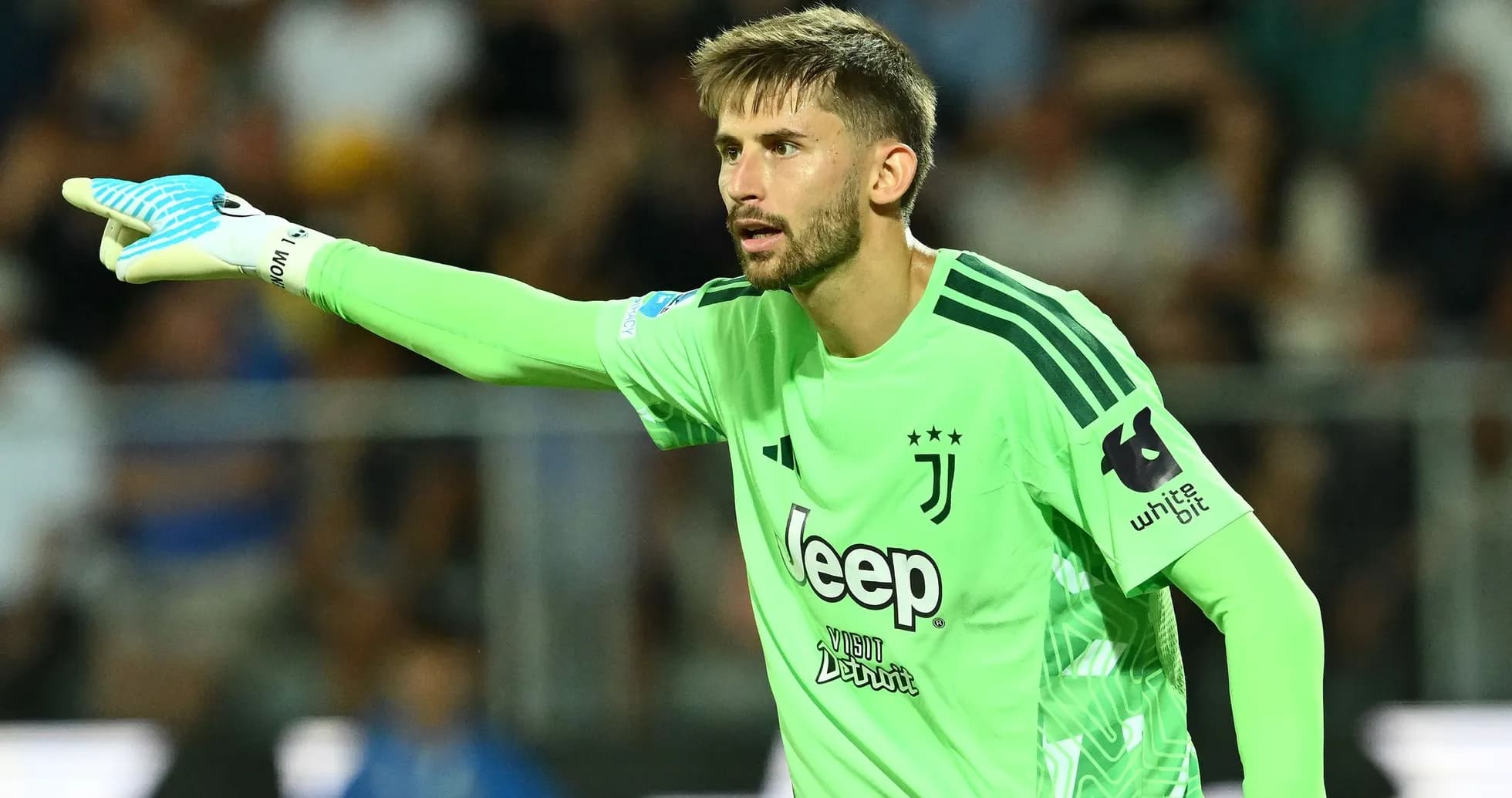
As the whistle went, Guglielmo Vicario erupted. The on-loan goalkeeper, one of the few consistent bright spots in this turbulent spell, turned on his defence, arms flung wide, voice cutting through the noise. He knew exactly what had just happened: Juventus hadn’t been beaten by brilliance. They had beaten themselves.
High line, higher cost
This was not a one-off mistake. It was the grim conclusion to a night that had been warning them from the first whistle.
Sassuolo picked at the same wound again and again. The visitors’ high line, supposedly a coordinated press, looked more like a set of disconnected ideas. The offside trap malfunctioned repeatedly, leaving huge channels to exploit and defenders staring at each other in disbelief.
Sebastiano Esposito struck first, capitalising on that disjointed back line to open the scoring. Kieron Bowie then restored Sassuolo’s lead after Juventus had briefly fought back, once more exposing a defensive unit that neither stepped together nor communicated with conviction. Every ball in behind felt like a test the Bianconeri were destined to fail.
The chaos at the back stood in stark contrast to the clarity of one man going the other way.
Zhegrova’s brilliance, wasted
Edon Zhegrova dragged Juventus into the contest almost on his own. Twice he picked up the ball, twice he drove at defenders with a sharpness and intent that cut through the noise and the tension.
His two solo strikes were the kind of moments that usually define a comeback. They shifted the mood, tilted the pitch, gave Juventus a platform to show that, even in a difficult period, their individual quality can still tilt games.
Yet those flashes of genius were left hanging in the air, unsupported. The collective failed where the individual excelled. The defensive third, again, became the fault line.
When Adzic pounced at the end, it felt like the inevitable end to a story that had been writing itself all evening.
Vicario’s anger: “We lost our balance”
Vicario did not sugar-coat it. Speaking to DAZN after the match, he went straight to the heart of the problem: mentality and discipline.
“There is great bitterness, because I understand the desire to go and win the game, because we are Juventus and it is our obligation to aim for victory every time, but we lost our balance and we talked all week about this,” the 29-year-old said.
That line cut deep. This was not a surprise ambush. These were scenarios they had prepared for, patterns they had studied, situations they had supposedly locked down. And still they conceded in exactly the ways they had vowed to avoid.
“Juventus cannot concede two goals like that. This is a club with a glorious history and we cannot allow goals like that. We need to be more calm and balanced, because we have a team full of quality, and we will be able to create chances.”
His words echoed the images from the pitch: a goalkeeper raging at the lack of control in front of him, a senior figure demanding that the badge on the shirt mean something in the decisive moments.
No hiding behind injuries
There is context, of course. Juventus are navigating a difficult stretch, stripped of key players and, crucially, their captain.
Manuel Locatelli’s absence looms large. The midfielder faces four to six months out after meniscus surgery, ripping a sizeable hole out of the team’s structure and leadership in the engine room. It would be easy to lean on that as an alibi.
Vicario refused.
“We’re sad to be losing Manuel, but it’s a long-term injury, and we do have players of quality in the squad. We can’t just keep seeking excuses,” he said.
That stance matters. Injuries explain dips in fluency, not a total loss of composure in the closing seconds. Not a high line that breaks in three different directions. Not senior players switching off when the job is to see out a point that had been so hard-earned.
From late heroics to late heartbreak
What stings even more is the timing. Just a week ago, Juventus had walked away from a similar scenario with their chins up. On that occasion, Federico Gatti stepped off the bench to snatch a late 1-1 draw against Milan, a moment that seemed to underline the team’s resilience and refusal to accept defeat.
This time, the script flipped. Instead of the late punch, they took it.
Asked whether the dressing room felt more anger or regret, Vicario did not pretend there was a neat answer.
“In my view both, because we had managed to turn the tide in our favour. We must be able to control these moments of the match better, because we’ve got the quality,” he noted.
That is the crux of Juventus’ current reality. The quality is there. The flashes of individuality are there. The badge still carries weight. But until they learn to manage games with the maturity their goalkeeper demands, nights like this will keep cutting into their ambitions.
The question now is simple and brutal: does this team learn from a collapse like this, or does it become another chapter in a season defined by what they throw away rather than what they win?