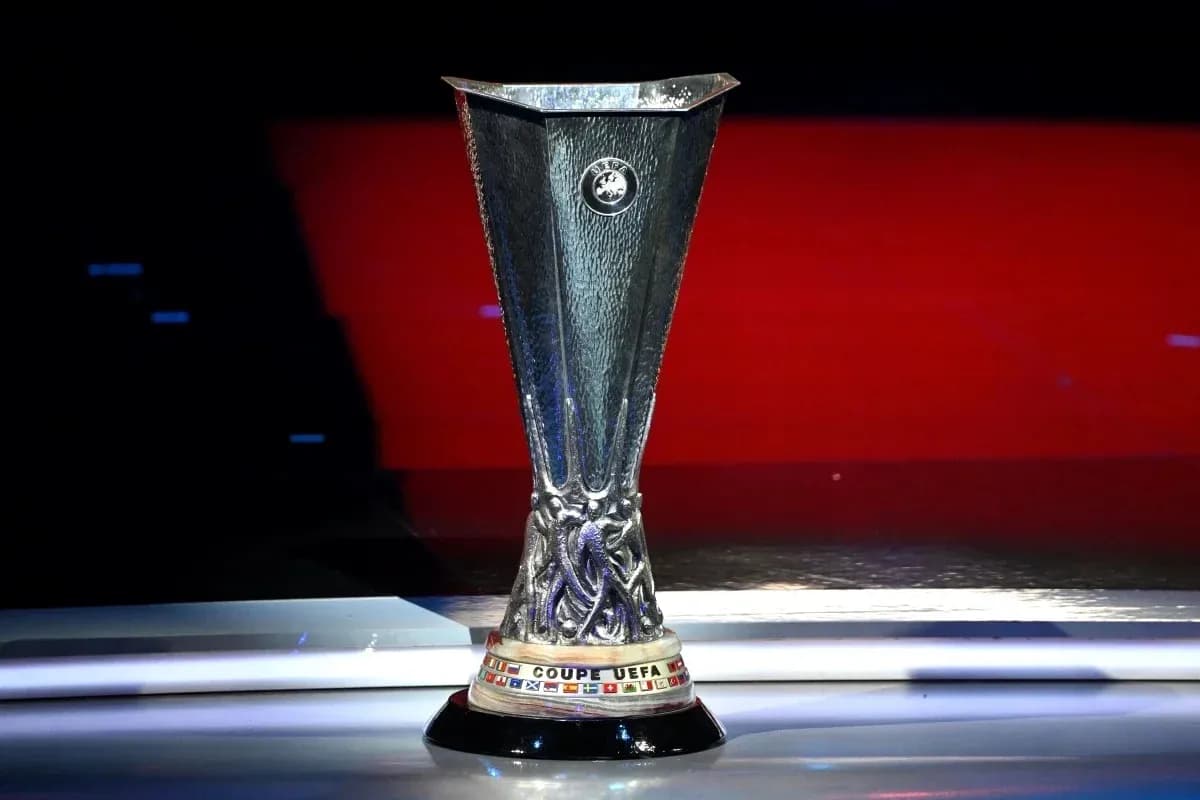
Italian football will march into the 2026-27 Europa League with just two flags raised: Juventus and Milan. The draw in Montecarlo laid out their paths on Thursday, and neither club can accuse UEFA of offering a gentle reintroduction to Thursday nights.
Both giants arrive in Europe after underwhelming domestic campaigns. Milan finished fifth in Serie A last season, Juventus slid in just behind them in sixth. Now they must turn that frustration into fuel in a revamped league phase that will test squad depth, resilience and ambition from September through late January.
Juventus: Tradition Meets Traps
For Luciano Spalletti and Juventus, the draw brings a mix of glamour and potential pitfalls.
The Bianconeri will host Real Sociedad, Rennes, Omonia and NEC in Turin, while travelling to face AZ Alkmaar, Ferencváros, Celta Vigo and Hapoel Beer Sheva.
On paper, Real Sociedad stand out immediately. A technically sharp side, tactically disciplined, and more than capable of dictating the tempo against anyone in Europe. That home tie in Turin could set the tone for Juventus’ entire campaign.
AZ Alkmaar away carries a different kind of danger: a high-energy, attacking team in a tight, hostile setting, where Italian composure will collide with Dutch boldness. Ferencváros in Budapest offers another intense trip, with a crowd that rarely lets visiting sides breathe.
Then there is Celta Vigo, perhaps the most intriguing of the lot. A journey to Galicia rarely feels straightforward, and Celta’s ability to unsettle more fancied opponents has long been part of their identity. Hapoel Beer Sheva away adds a long trip and awkward conditions to the mix, the sort of fixture that can derail a campaign if approached with anything less than full focus.
Home assignments against Omonia and NEC look, at first glance, more manageable. Yet in a league phase where every point matters, complacency becomes the real opponent. Juventus’ margin for error is thin. The new format rewards consistency, not just big nights.
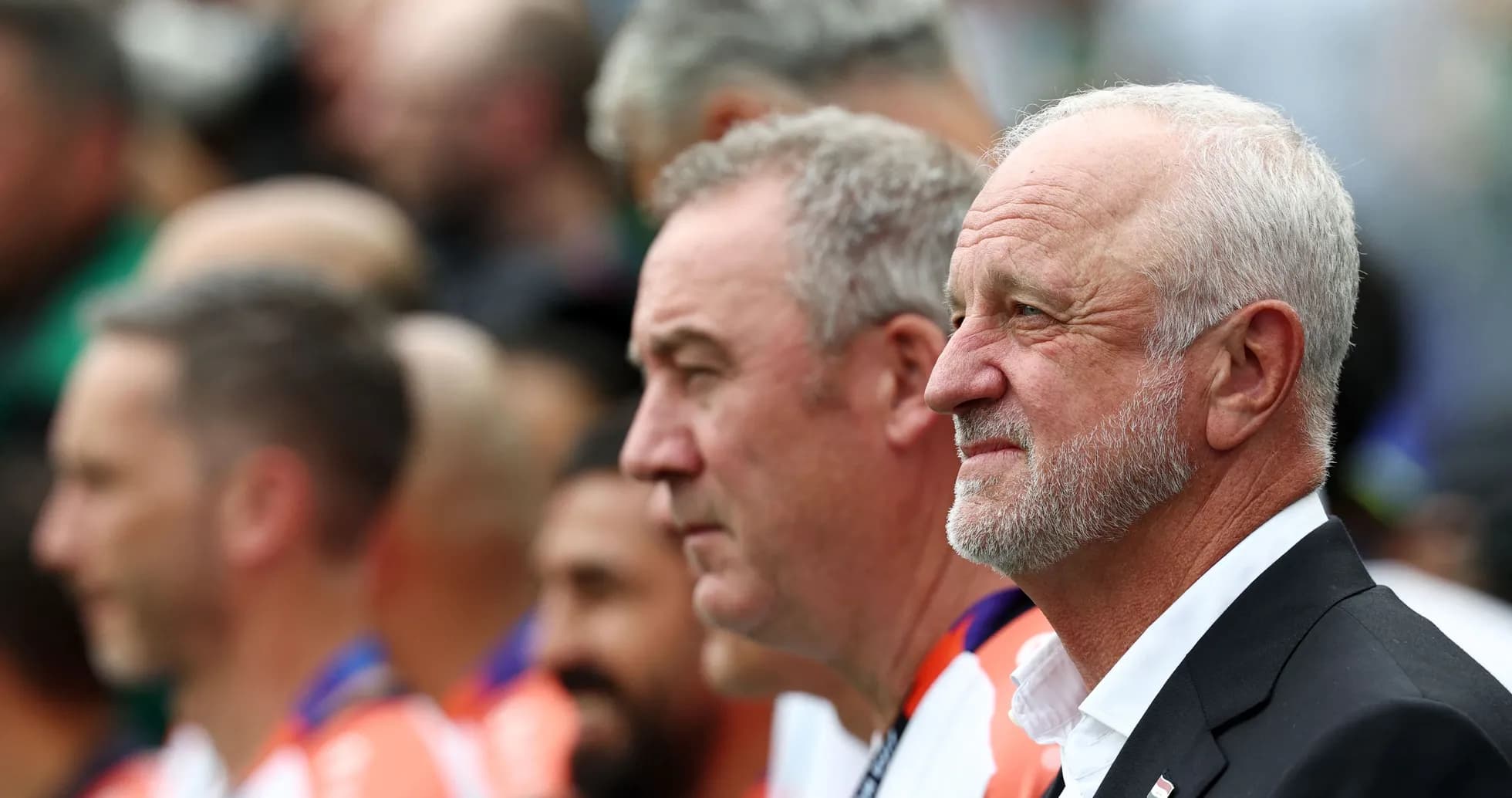
Spalletti, pictured recently in Frosinone looking dejected after Juventus’ stuttering Serie A start, now has a continental stage on which to reset the mood. The expectation is clear: Juventus must not only qualify, they must look like Juventus while doing it.
Milan: Heavyweights and Banana Skins
Ruben Amorim’s Milan, meanwhile, have been handed a draw that feels like a tour of European football’s many faces.
San Siro will welcome Benfica, Ferencváros, Sunderland and Ararat. The Rossoneri will travel to Olympiacos, Salzburg, Bournemouth and Levski Sofia.
Benfica at home is the standout fixture. Two clubs with deep European history, two fanbases that expect more than just participation. That night in Milan will carry a Champions League edge, even if the anthem is different.
Olympiacos away is never just another trip. The atmosphere in Piraeus is unforgiving, and Milan will need maturity to navigate a tie that often becomes a test of nerve as much as quality. Salzburg in Austria brings a young, aggressive opponent, drilled to press high and run relentlessly. Bournemouth, in England, adds Premier League intensity and a fanbase ready to treat the visit of Milan as a landmark occasion.
Back at San Siro, Ferencváros and Sunderland offer contrasting challenges. The Hungarians arrive with European experience and a clear identity. Sunderland, reborn on the continental stage, bring English physicality and a fanbase that has waited years for nights like this. Ararat at home and Levski Sofia away may not dominate headlines, but these are exactly the fixtures that separate serious contenders from those who drift into trouble.
Amorim, animated on the touchline in Turin during Milan’s recent Serie A outing, now faces a demanding balancing act: rotate enough to keep legs fresh, but not so much that rhythm disappears. With the league phase stretching from September 16/17 to January 28, 2027, every decision will echo across months.
The Stakes: No Hiding in the New Format
The format leaves no room for sleepwalking. The top eight teams in the overall Europa League standings will move directly into the Round of 16. Those finishing from ninth to 24th drop into a knock-out play-off, a dangerous extra hurdle that no heavyweight wants.
For Juventus and Milan, the objective is obvious: avoid that play-off trap. Accumulate points early, secure a top-eight spot, and buy precious time in an already congested calendar.
The journey ends in Frankfurt on May 26, 2027, where the Europa League Final will crown a new champion. By then, we will know whether these two Italian giants used this campaign as a springboard back to Europe’s elite—or whether Thursday nights became a harsh reminder of how far they still have to climb.