
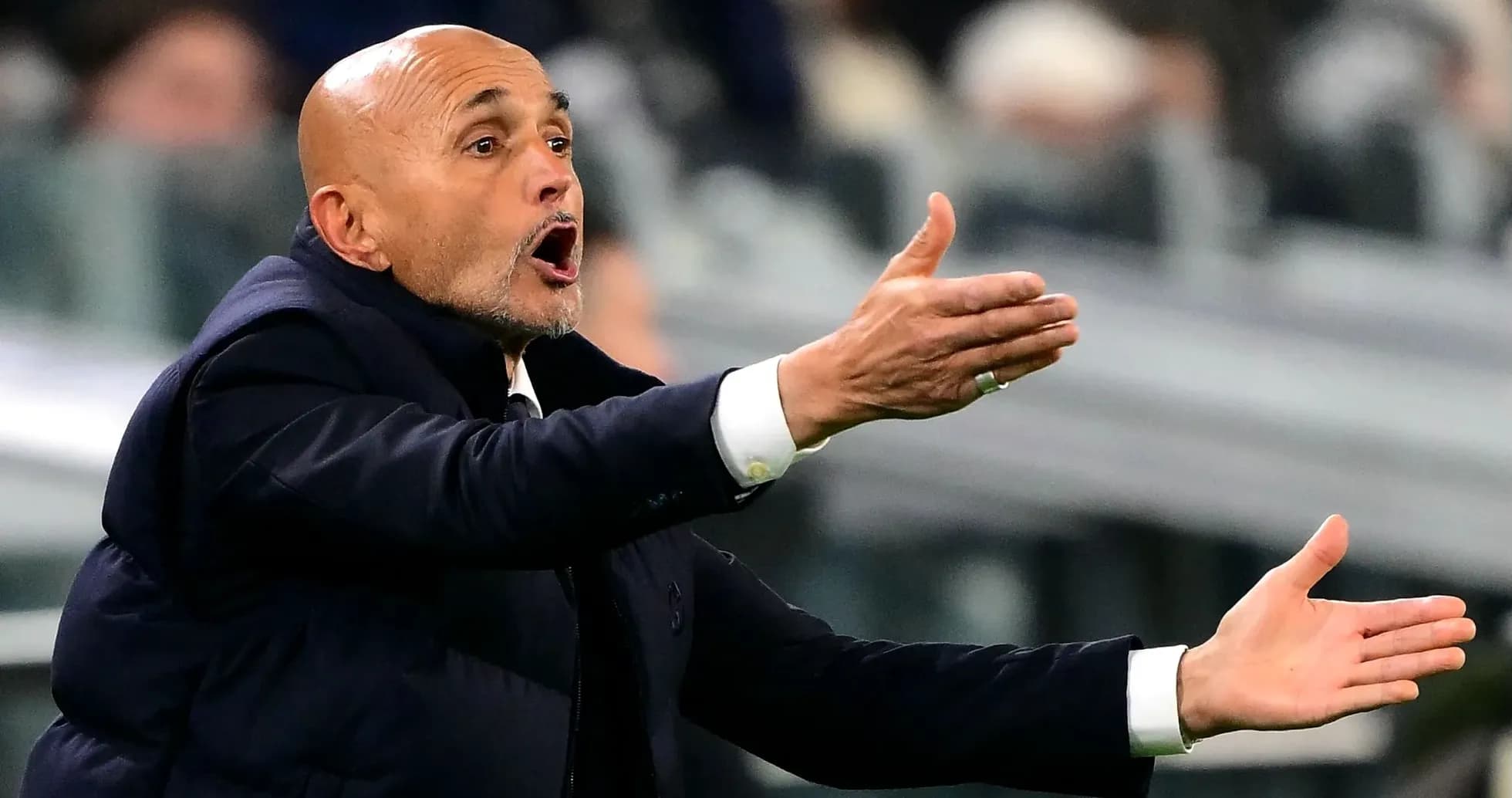
Luciano Spalletti walked off the pitch in Alkmaar with three points, a broken streak beneath his boots and a message for anyone still doubting his Juventus.
This was not just a 2-1 away win in the Europa League. It was the night AZ’s remarkable 17-game unbeaten home run in Europe snapped, and the night Spalletti decided he’d had enough of hearing that Juventus only look good when the opposition are bad.
Spalletti bites back
Injury problems had stripped him of key options. Weston McKennie and Kenan Yildiz were among those missing, yet Juventus still went into one of the toughest continental venues and imposed themselves. That, Spalletti felt, was being brushed aside too easily.
He bristled at the narrative that has followed his side through this campaign – that when Juventus win, the story is always about the other team’s shortcomings.
"I am very satisfied, because we played well against a very strong team," he told Sky Sport Italia, pointedly. He then dragged NEC into the conversation, a team with seven points who had been dismissed as weak when Juventus beat them. For Spalletti, that disrespect cuts both ways: towards his players and towards the opponents who are being casually written off.
"When you win, it's because the others are weak, and instead tonight we won a great match and played great football," he said. The subtext was clear. Give this Juventus, and those they beat, their due.
A brave plan, a nervy finish
On the pitch, the performance mirrored his words: bold, front-foot, committed. Juventus stepped into AZ’s half, took risks, and for long spells controlled a side that rarely looks rattled at home in Europe.
Yet the coach did not hide from the flaws. The final minutes bothered him. Juventus retreated, stopped getting out, and invited pressure until AZ finally broke through.
"We sat there, we weren't getting out and then we conceded; if it lasted another five minutes we wouldn't have brought it home," he admitted. For a coach who had watched his side come to Alkmaar "with authority, strength, quality and also courage," the failure to land a third goal gnawed at him.
He wanted the killer blow, not a backs-to-the-wall finale. In his mind, the game should have been buried long before AZ’s late surge.
Spalletti also turned a critical eye on his attacking transitions. Kolo Muani, he noted, had space to damage AZ if he could just find more outlets. The same applied to the substitutes. Jeremie Boga and Jeff Ekhator, players he clearly believes can change games, did not exploit the open field as they might have.
"Those who came on could have hurt them more because they have the qualities to do so," he said. Instead, Juventus dropped too low and got stuck "a bit halfway" – neither pressing high nor fully secure at the back.
Collective steel, modern demands
Teun Koopmeiners’ display against his former club naturally drew attention, but Spalletti refused to turn this into a one-man story. He went out of his way to praise those whose work rarely makes headlines.
"I don't want to make distinctions because there are also those who did the dirty work and did it well like Lucumi or Kalulu," he pointed out, underlining the defensive backbone that allowed Juventus to play man-to-man in AZ’s half.
That high, aggressive stance came with risk. Spalletti embraced it. For him, the courage to push up is a sign of a team growing in conviction.
He also underlined how crucial the goalkeeper has become in this model. The old idea that a keeper is there simply to save shots does not survive in his football.
"How many times have we said that the goalkeeper only has to save? Instead, he must know how to play with his feet because it cancels out all the pressure you face," Spalletti said. In other words, bravery is not just about tackles and sprints. It starts at the back, with a goalkeeper willing to break the press and turn anxiety into control.
Mental edge and a coach’s warning
For all the tactical detail, Spalletti kept circling back to mentality. He sees something forming in this Juventus – a hardness, a refusal to be cowed in hostile environments.
"This is the victory, having been in their half; there was a great attitude and great mentality," he said. That, in his eyes, is when Juventus convince: when their approach is aggressive, not reactive.
Yet even on a night of celebration, he sounded a warning. The way AZ scored troubled him more than any structural issue. It was not about being outplayed; it was about a mental lapse.
"We didn't make a decision and a decision not made is worse than a wrong decision," he reflected. Hesitation, waiting for others to sort the situation out, is what he fears most. In his world, boldness – even mistaken boldness – is preferable to paralysis.
By the end, Juventus were hanging on, needing forwards to hold the ball up as AZ counter-pressed with desperation. They survived, just. Spalletti, though, chose to see the whole picture: the authority of the performance, the courage of the plan, the character shown under pressure.
"Tonight we played a very beautiful game and I am happy with every one of my players, even those who stayed on the bench," he concluded.
In Alkmaar, Juventus took a statement win and snapped a record. Spalletti left with more than that: a team he believes is hardening, and a growing conviction that it is time the rest of Europe started treating them – and their victims – with a little more respect.





