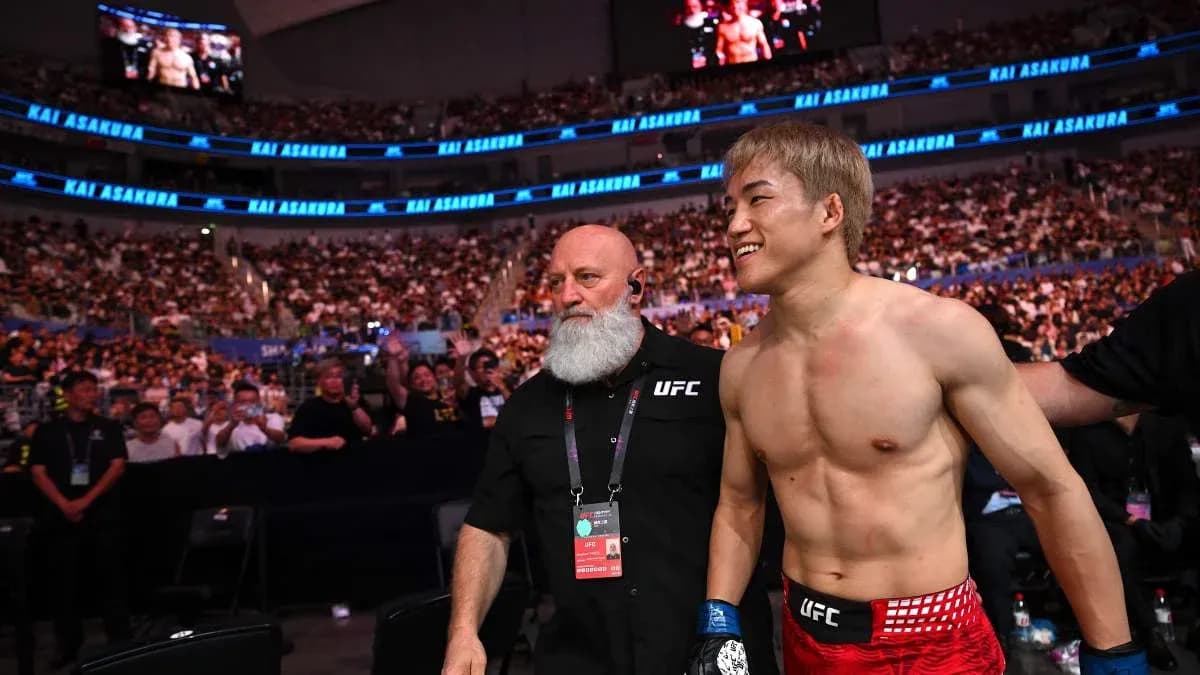
Kai Asakura didn’t just win in Shanghai. He made a statement that echoed from the cage to his home country.
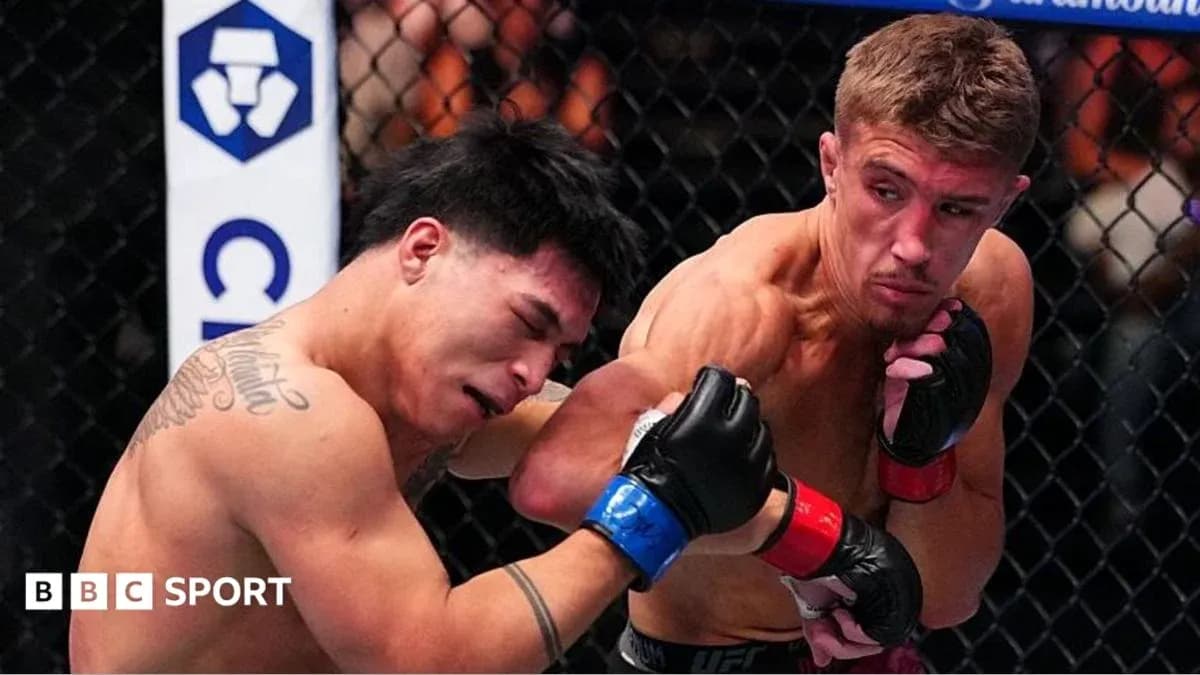
Under the lights at UFC Shanghai, the Japanese standout uncorked the kind of finish that instantly loops on highlight reels. A high kick crashed into Aoriqileng’s head, wobbling the Chinese fighter on home soil. Asakura smelled the damage, swarmed with punches, and when his opponent crumpled, he dug in vicious knees to the body until the referee had no choice but to step in.
Violent. Clinical. Definitive.
Minutes later, the message from Asakura himself was stripped down to the essentials. No chest-beating, no long speech. Just a simple post on Instagram: “Won by KO! Thank you for your support!” The performance did the talking. The caption only underlined it.
A star rebuilt at 135
This version of Kai Asakura feels a world away from the man who stumbled out of the gate in the UFC.
When he arrived from RIZIN, the hype was enormous. Matchmakers didn’t ease him in; they hurled him straight into the fire with an immediate title shot against then-flyweight champion Alexandre Pantoja at UFC 310. It was a bold play, the kind reserved for fighters believed to be ready-made contenders.
Pantoja showed why the belt was around his waist. He dragged Asakura into deep water and finished him in the second round with a rear-naked choke in the main event. No controversy. No doubt. The champion reminded everyone that talent alone isn’t enough at the very top.
Asakura returned at UFC 319 in August 2025, trying to reset against veteran spoiler Tim Elliott. Instead, the night unraveled again. Elliott latched onto a tight guillotine choke in the second round and forced another tap, pulling off a sizeable upset and handing Asakura a 0-2 start in the promotion.
Two fights. Two submissions. One brutal reality check.
The turning point
That was the moment Asakura drew a line. The cut to 125 pounds had drained him for too long. He moved up to bantamweight, trading the scale for freedom and power at 135.
The change has transformed his UFC story.
At bantamweight, Asakura is now 2-0, and he hasn’t needed the judges once. First came a knockout of Cameron Smotherman, a reminder of the sharp, explosive striker who terrorized opponents in Japan. Then came Shanghai, where he walked into enemy territory and shut down Aoriqileng with ruthless precision.
The power has carried. The speed has followed. The confidence, clearly, is back.
A marketing dream, a matchmaker’s puzzle
Asakura isn’t just another name on the roster. He’s a genuine star in Japan, a market the UFC has long targeted and is still trying to fully unlock. A fighter who can deliver walk-off knockouts and carry a fanbase across an entire country is promotional gold.
Now the sporting side has caught up with the commercial appeal.
Two straight knockouts at bantamweight change the conversation. He’s no longer the flyweight experiment who got rushed into a title shot and drowned. He’s a dangerous contender in one of the deepest divisions in the sport, with momentum and a clear identity.
The logical next step? A ranked opponent. Someone inside the top 15 who can test whether this resurgence is real championship trajectory or just the start of another hard climb.
For Asakura, the mission is simple. He came to the UFC with title expectations at flyweight. That dream didn’t survive the weight cut or the early setbacks. Now, at 135, the path looks different but the goal hasn’t moved.
The question is no longer whether Kai Asakura belongs in the UFC. It’s how quickly he can turn nights like Shanghai into a run that ends with a bantamweight belt around his waist.