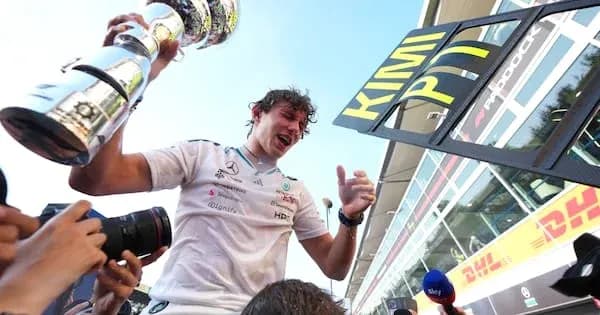
Kimi Antonelli ripped up the script at Monza and took a giant stride towards history, turning his home grand prix into a coming‑of‑age epic.
From 19th on the grid to the top step of the podium at the Italian Grand Prix, the 20-year-old Mercedes driver needed fewer than 17 laps to charge through the field and into the lead fight. By the end, he had something even more precious than a win: the aura of a champion in waiting.
A home hero, 60 years in the making
Monza had not seen an Italian winner for 60 years. The tifosi came expecting Ferrari red; they left chanting the name of a young man in silver.
Antonelli’s afternoon started deep in the pack, his Mercedes burdened by a hefty grid penalty after a power unit change. Any hope of a fairytale seemed buried under 18 cars and 53 laps of hard reality.
He ignored all of that.
By the time Charles Leclerc slammed into the barriers coming out of Parabolica at the end of Lap 2, triggering a red flag and silencing Ferrari’s home crowd, Antonelli had already sliced his way to 12th. The scarlet dream lay in the wall. An Italian dream of a different kind was just starting to form.
Leclerc climbed out, sat by the track, staring into the distance. Around him, thousands of red flags drooped. Many fans were in tears. Monza felt stunned.
Somewhere further down the pit lane, a young Italian in a Mercedes was starting to believe.
Russell vs Antonelli: teammates, rivals, title stakes
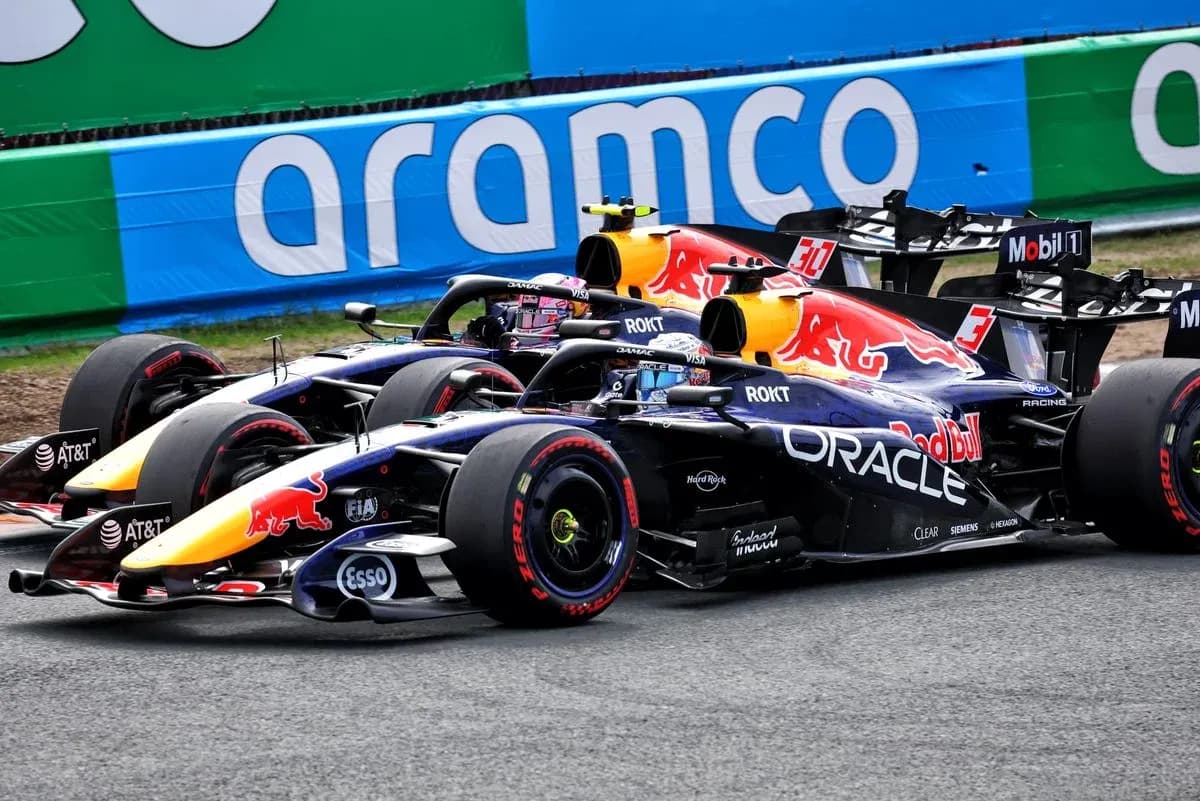
When the race restarted, George Russell led the field, having jumped surprise polesitter Pierre Gasly at the beginning of the second lap. Max Verstappen sat behind, the McLarens of Lando Norris and Oscar Piastri lurking, and the second Mercedes storming forward with relentless intent.
Antonelli went back to work. One by one, the cars fell away. Clean, decisive moves. No fuss, no panic. Soon, only his teammate and title rival stood between him and the lead at his home race.
The two silver cars began to yo-yo at the front, trading blows and testing boundaries. From the pit wall came the inevitable call: calm down, build a gap to Verstappen, then fight. On track, neither man looked particularly interested in waiting.
Russell, who had started the day hoping to hack into Antonelli’s championship lead, instead found himself trying to contain a driver operating at a different level. His verdict on the title picture afterwards was brutally honest.
“Kimi is in control of it and he’s deserving to be in control of it,” Russell said. “For me personally, I’m not even thinking about a fight or a comeback or anything. He’s performing incredibly well. It’s going to be exceptionally challenging to overcome that gap so I’m just sort of accepting that it is what it is.”
The gap he spoke about is now 66 points. Seven wins into Antonelli’s fledgling Formula 1 career, the numbers are starting to match the noise.
The strategy roll of the dice
The race pivoted on Lap 29 under a virtual safety car. Mercedes split its strategies. Russell stayed out. Antonelli dived in.
“To be honest, I thought we were both going to stay out,” Russell admitted. “I was surprised to see him pitting. In the end it was a roll of the dice both ways. In the moment, the team wouldn’t have known which strategy was better, made sense to split the car. In the end Kimi had great pace.”
Antonelli rejoined in sixth, armed with fresh tyres and a clear task: hunt his teammate down again.
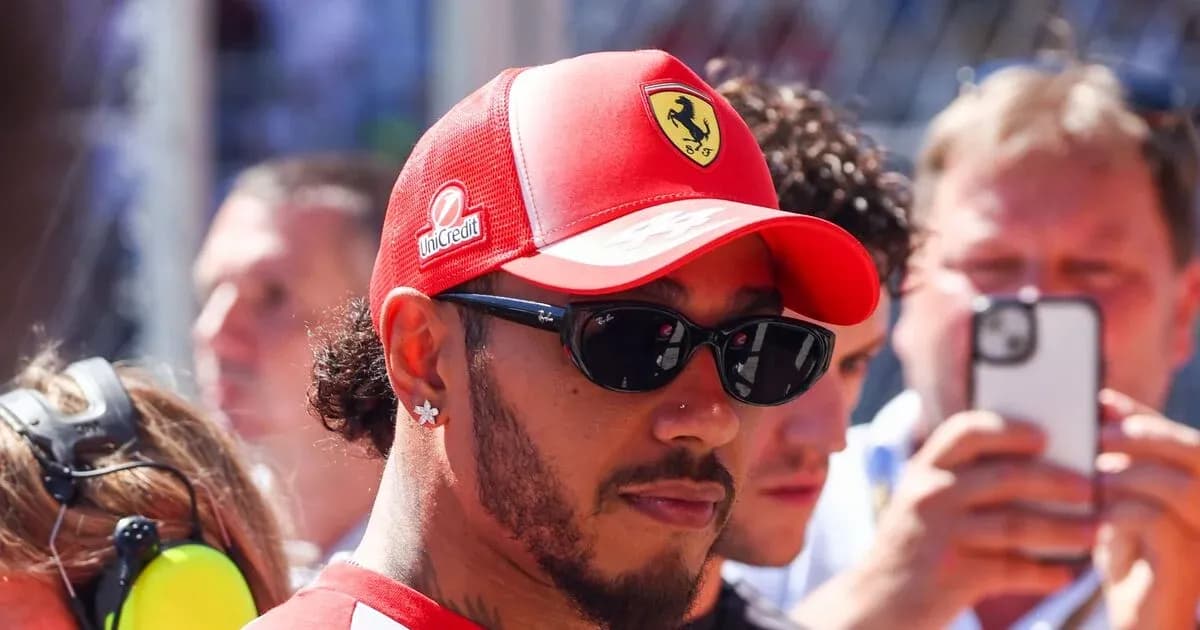
He did, with ruthless efficiency. Verstappen, who would end the day a distant third, never truly entered the argument for the win. Norris and Piastri followed the Red Bull home, fourth and fifth, while Lewis Hamilton salvaged sixth in the remaining Ferrari after Leclerc’s early exit.
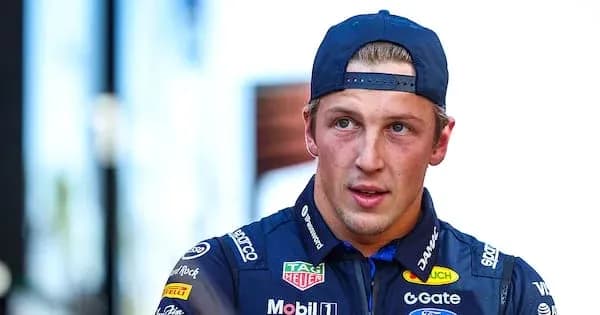
Further back, Liam Lawson brought his car home in 14th, a solid finish on a day when the spotlight belonged entirely elsewhere.
A mistake, a recovery, a statement
The final act carried just enough drama to test Antonelli’s nerve.
On Lap 49, as he attacked Russell for the lead, he overcooked it and ran through the gravel. For a heartbeat, it looked like the fairytale might unravel. The crowd groaned. Russell escaped, gap reopened.
It didn’t last. The raw pace that had defined Antonelli’s day resurfaced. Within a lap, he was back on Russell’s gearbox. This time, there was no error, no hesitation. He swept past, decisive and clean, and disappeared up the road.
Three laps later, he crossed the line to become the first Italian winner at Monza in six decades, and only the second driver in Formula 1 history to win from as far back as 19th or lower on the grid. Only John Watson’s charge from 22nd to victory at Long Beach in 1983 stands ahead of it in the record books.
On the radio, the emotion finally broke through.
“Oh my God ... It feels like a dream,” Antonelli said, voice cracking under the roar of the crowd and the weight of the moment.
Later, he tried to put it into words.
“I did not expect it. Unbelievable, unbelievable. I am so happy, I could not have imagined to be here today but we managed to pull it off and I am really, really happy.”
For a driver in only his second season in Formula 1, it felt like more than just another win.
“The best (race) is yet to come. But I feel like it was one of the best races I've done so far and one that I will remember forever,” he said.
On a day when Ferrari’s home race collapsed in the barriers, Monza still found an Italian to celebrate. The tifosi came for red. They left with a new hero in silver and black, and a question that will hang over the rest of the season.
If this is Antonelli before he becomes champion, what happens when he actually gets there?