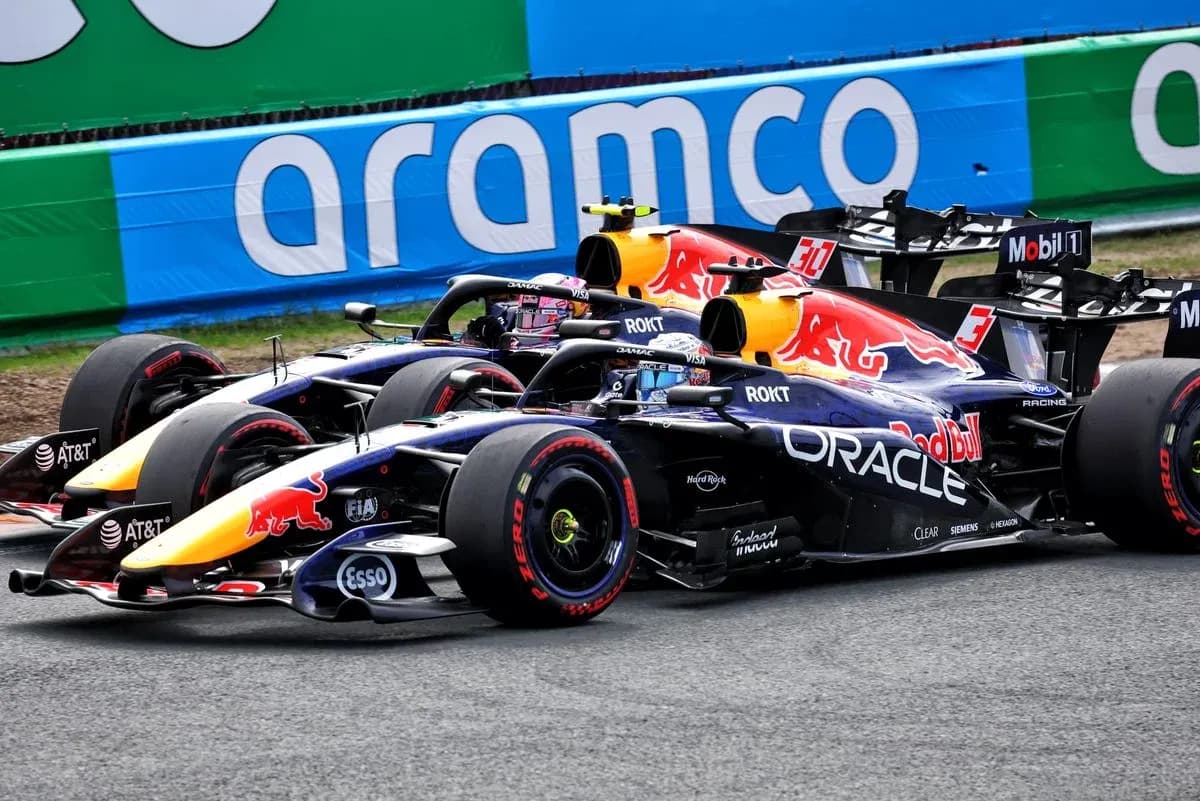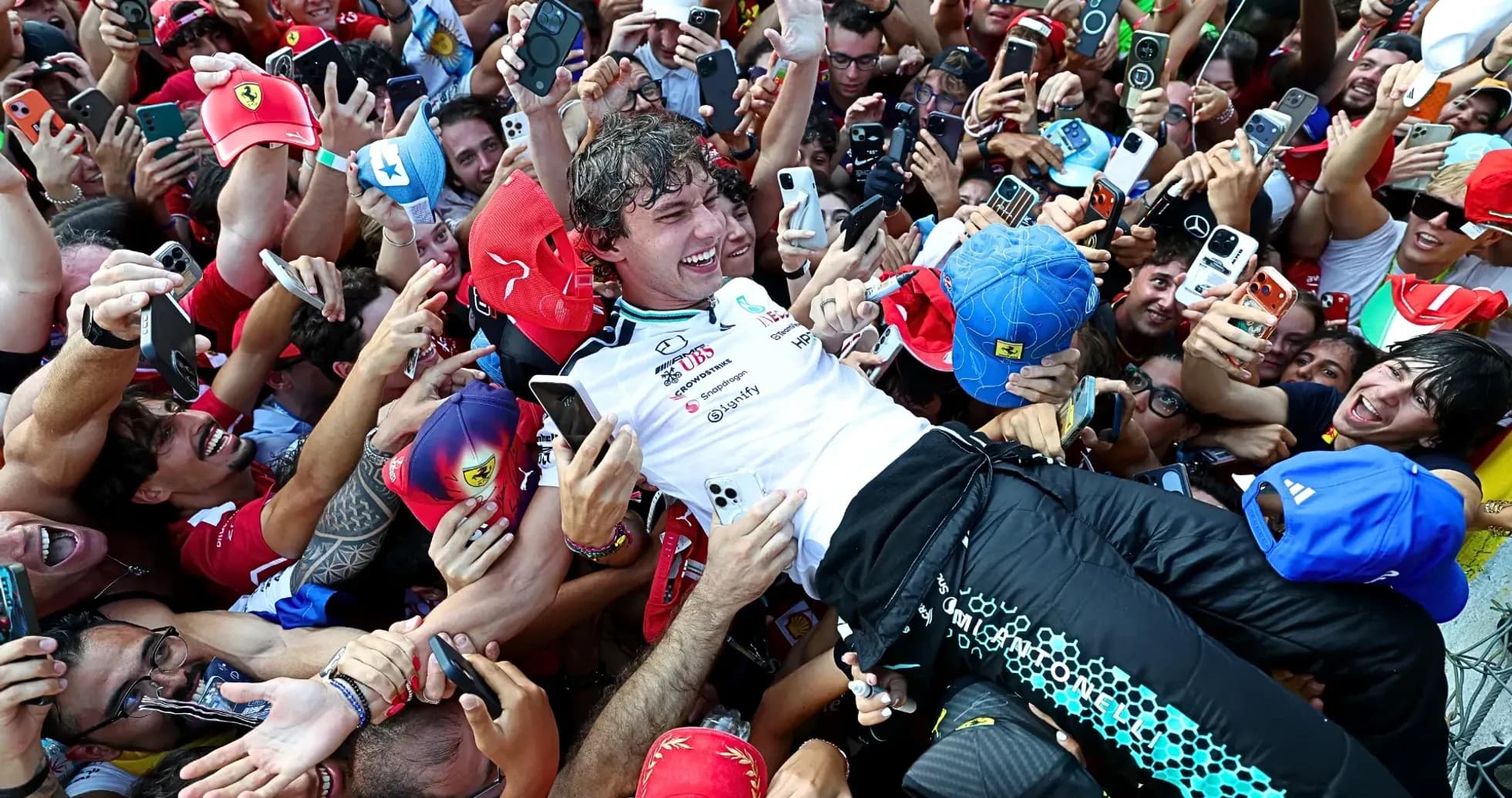
Nineteenth on the grid. Home race. Monza. Kimi Antonelli climbed into the cockpit knowing the numbers were against him – and that those numbers belonged to Mercedes.
Toto Wolff had already laid it bare: it was the algorithm that sent Antonelli to the back with an engine penalty, a cold calculation that “doesn’t take [drivers’] nationality into consideration.” No room for sentiment. No allowance for a young Italian racing in front of his own crowd. Just data.
That same system had drawn its conclusion before a wheel had turned: he wasn’t winning this Grand Prix. Not from there. The projections gave him a top-five finish as the realistic ceiling. Respectable. Efficient. Safe.
Then the lights went out.
Antonelli began to carve his way forward, slicing through the pack with the kind of aggression the spreadsheets can’t quite quantify. Lap after lap, he ignored the script that had been written for him in code and probability. The car responded, the crowd roared, and the race began to tilt.
By Lap 18, the impossible picture flickered into reality. Antonelli, from nineteenth on the grid, led his home Grand Prix. The tifosi erupted. The numbers, briefly, looked irrelevant.
Yet in the background, the strategy models kept running. They had already made their judgment on his tyre life and race profile. Even with that monumental charge to the front, the projections still boxed him into second place at best. The way his race had been structured, the way the tyres were expected to fade, the algorithm saw a ceiling he was not supposed to break.
On the pit wall, the computers stayed unmoved. On the track, an Italian in a silver car was doing everything he could to prove that sometimes, especially at Monza, emotion still dares to argue with the machine.