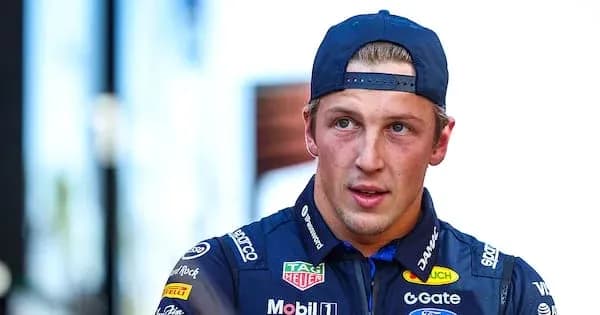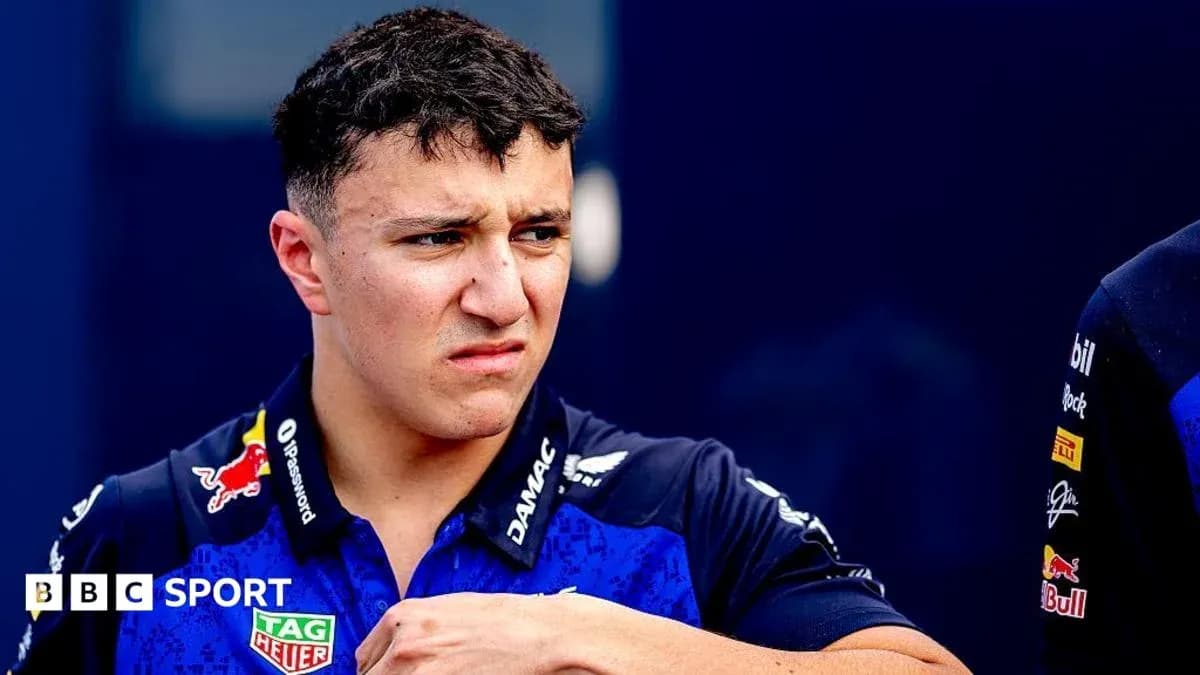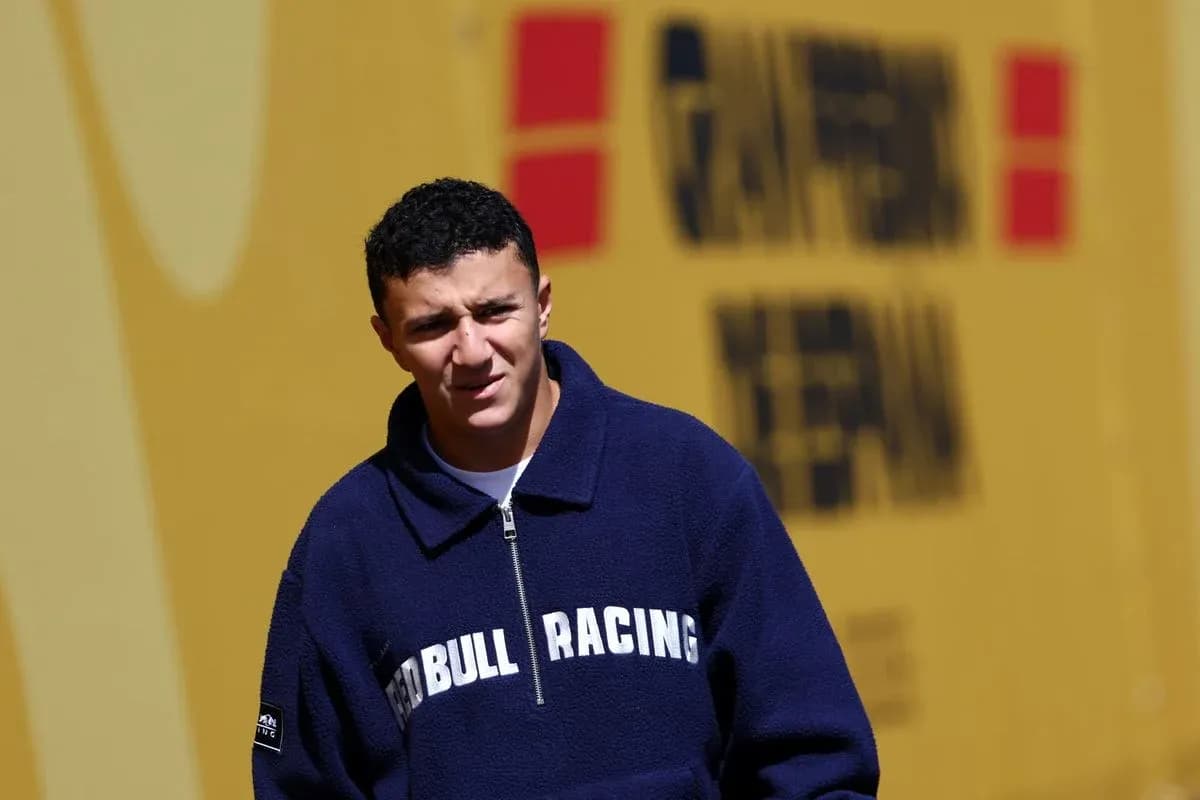
Kimi Antonelli is starting to look alarmingly familiar.
The way he slices through a field. The way his race pace breaks rivals. Even the weak spot in his game. All of it echoes a young Max Verstappen.
There is, for now, one crucial difference.
A Verstappen-style charge from nowhere
Winning a Grand Prix from P19 used to be Verstappen territory. That image – the world champion starting miles back while his team-mate sits on pole, yet still finding a way to win – has defined the last era of Formula 1.
At Monza, it belonged to Kimi Antonelli.
From the moment the lights went out, the Italian drove like the race was on fast-forward. He carved through the traffic with a calm brutality, picking off car after car until he was staring at the leaders. The red flag and restart helped, yes, but nobody in the paddock truly believes that decided the outcome. On this form, Antonelli was always going to win his home Grand Prix.
The victory was glorious for him. For George Russell, it was brutal.
Russell exposed
At the end of 2025, Russell spoke like a man ready to fight for a world title. The narrative suited him: proven race winner, embedded at a top team, entering his prime.
Monza shredded that storyline.
Russell was beaten, then humiliated, in a way usually reserved for acknowledged number twos such as Sergio Perez and Valtteri Bottas. The kind of afternoon that simply does not happen to a Lewis Hamilton or a Max Verstappen in their pomp.
That says something about Russell’s ceiling. It says far more about the teenager in the other car.
Still only 19 and in just his second season in F1, Antonelli is dismantling a team-mate long talked about as a future world champion. The dynamic is uncomfortably reminiscent of Daniel Ricciardo’s final days at Red Bull, when he realised just how high Verstappen’s peak might be and chose to leave rather than live in that shadow.
For Russell, that escape route has gone. The team is built for the future now, and that future is wearing Antonelli’s overalls.
Sundays belong to Antonelli
The numbers across 2026 are merciless.
Strip out the Belgian GP, where Russell retired early, and look at the other 12 races. On race pace, Antonelli has been quicker than his team-mate in 10 of them. The only exceptions? China and Austria, and even there Russell’s advantage was less than a tenth of a second.
Across those 12 Grands Prix, Antonelli has averaged a 0.380s per lap advantage over Russell on Sundays. That is not a marginal edge. That is domination.
This is where the Verstappen and Fernando Alonso comparisons start to feel real. Hamilton and Sebastian Vettel arrived in F1 as qualifying assassins, drivers who could bend a single lap to their will. Verstappen’s gift, right from his debut, lived in the race itself – in tyre management, traffic reading, and the ability to attack and defend at ferocious speed without losing control.
Antonelli is cut from that cloth. When the fuel loads drop and the strategy windows open, he becomes the reference point.
The weak spot: Saturdays
There is, however, a familiar flaw.
Like Verstappen in his early Red Bull years alongside Carlos Sainz and Daniel Ricciardo, Antonelli is not yet the finished article over one lap. The raw pace is there, but the polish is not.
The head-to-head with Russell in qualifying tells the story: Antonelli leads 7–6, but only just. His average advantage is 0.093s – tiny compared to the gulf on Sundays. Russell can still sting him on a Saturday. Over a single lap, the Briton remains a genuine threat.
That was Verstappen’s journey too. It took him until 2018 to turn occasional qualifying brilliance into relentless, weekly superiority. Antonelli is standing at the same crossroads.
Where he still falls short of Verstappen
Two big differences still separate the Italian from the triple world champion.
The obvious one is the résumé. Verstappen has stacked up wins and titles over years of unrelenting excellence. Antonelli has lit up the sport in flashes and now over a half-season stretch, but he has not yet proved he can carry this form across a full campaign, through the pressure points, the bad weekends, the political storms.
The other gap is more fundamental.
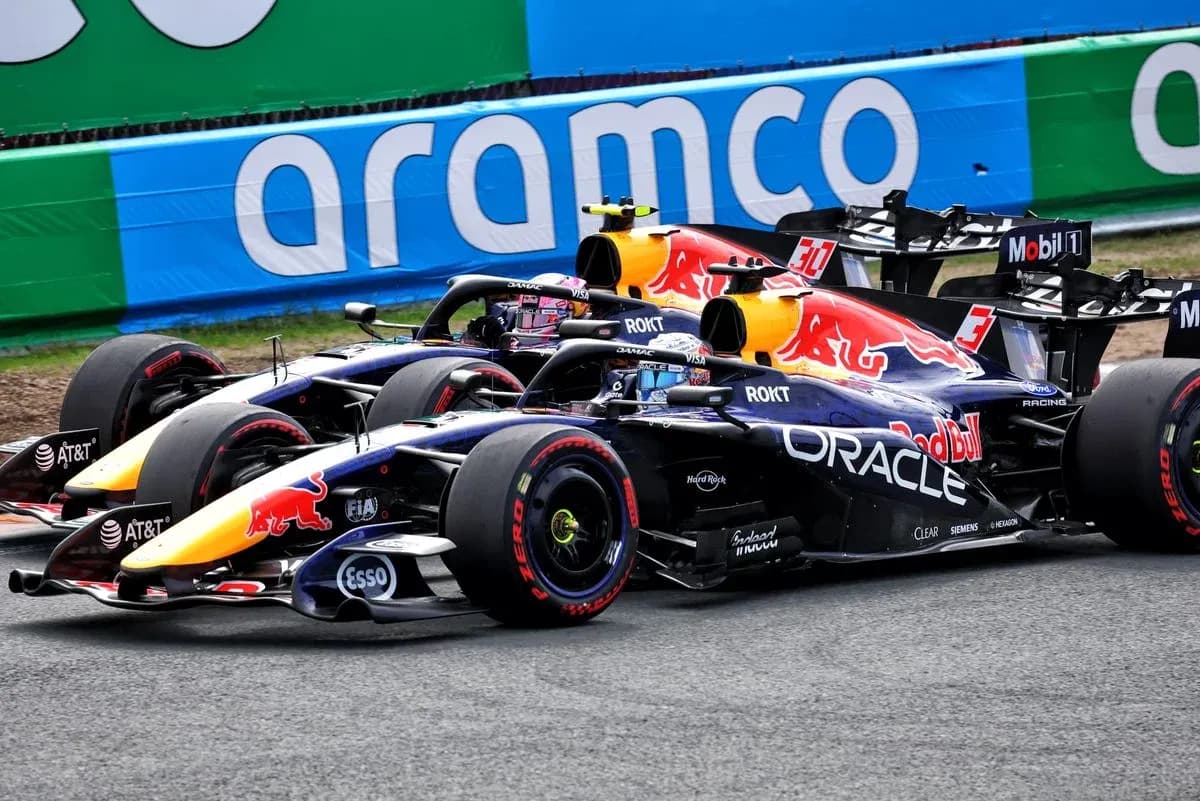
Verstappen’s wheel-to-wheel racing is the gold standard. His judgement in combat – when to send it, when to hold back, how to place a car on the edge of legality without stepping over – has become the defining skill of this era. At Monza, even on a day when strategy and pace mattered, he still made the difference with razor-sharp attacking and defensive moves.
Antonelli does not have that yet.
His racecraft in clean air is imperious. In traffic, at times, it frays. The duel with Russell at Monza, when Antonelli ran off the track, underlined that roughness. You rarely see Verstappen lose control of a fight in that way. Earlier this season, Charles Leclerc openly criticised Antonelli’s wheel-to-wheel decision-making. The reputation has stuck.
The encouraging part for his supporters: he is improving. The edges are being sanded down, the rash moves are becoming rarer, and the confidence is starting to look like authority rather than recklessness.
Verstappen’s heir – or just the latest pretender?
What cannot be denied any longer is the scale of Antonelli’s talent. The way he bends a race to his will, the way he crushes a respected team-mate over a Grand Prix distance, the way he shrugs off pressure at 19 – all of it feels eerily familiar.
His first world title, in only his second year in F1, already looks less like a dream and more like a timetable.
Verstappen has spent years waiting for a true successor, someone who could meet him blow for blow in equal machinery. On current evidence, Antonelli might be that driver.
The only question now is simple: when the cars are finally level and the stakes are highest, will the kid still look this much like Max Verstappen? Or will he be something even more dangerous – the next version, with a name all his own?