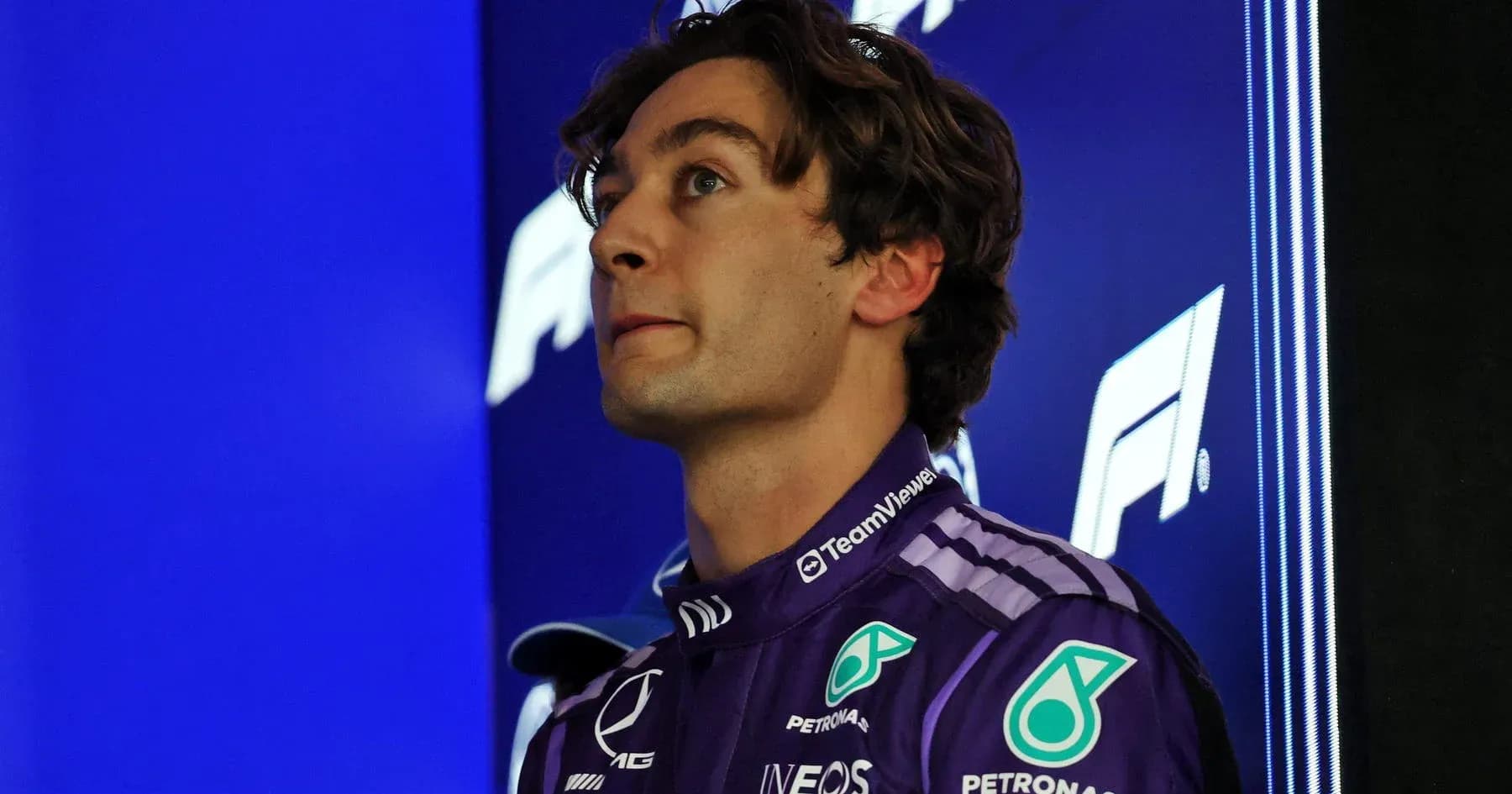
Kimi Antonelli sat in Ayrton Senna’s Lotus 98T this week, hands on the same steering wheel, eyes on the same sparse cockpit, the No 12 painted on the nose. For a few quiet moments, the new world champion occupied the old world of his hero.
The comparisons were inevitable. Toto Wolff wants no part of them. Not yet.
The Mercedes team principal moved quickly to put a lid on the rising tide of “next Senna” talk swirling around his 20-year-old champion, who sealed his first Formula One title in Mexico and then helped wrap up the constructors’ crown with fifth place at Interlagos.
“Comparing Kimi to Senna? I was always not very keen in having this comparison because Senna is a giant of the sport,” Wolff said in São Paulo. “Who he was as a person, who he was as a racing driver and I feel that setting these standards for a 20-year-old driver is a lot of pressure.
“He’s Kimi; Senna was Senna.”
A champion in Senna’s shadow
Antonelli has never hidden who shaped his dreams. He grew up devouring footage of Senna’s races, studying the aggression, the precision, the almost spiritual intensity that turned the Brazilian into an icon long before his death at Imola in 1994.
He chose No 12 for his Mercedes in tribute to the number Senna carried in the early part of his career. Now, even as reigning world champion, he has already decided he will keep that number next season instead of switching to the No 1 that tradition offers the title holder. The symbolism is obvious. So is the weight that comes with it.
This weekend, the connection deepened. Before climbing into his own car at Interlagos, Antonelli visited the Senna family estate, met relatives, and went to the Brazilian’s grave. On social media he posted a picture of himself sitting in Senna’s black and gold Lotus 98T, the same car that carried the Brazilian to victory in Spain and Detroit in 1986.
“I will carry these memories with me forever,” he wrote.
The Senna family seem to feel something, too. Senna’s niece Paula presented Antonelli with a sculpture of her uncle and spoke of her delight at discovering what “a special character” the young Italian is. Around them, a nickname has taken hold: “Senninha” – “little Senna” – also the name of the comic-book hero inspired by Ayrton.
For Wolff, that warmth matters, but it doesn’t change his stance.
“It’s sweet to see how the Senna family embraces him. They say that it’s the first time that it looks like there is a second Senna,” he said. “And that is the first time that you can say, OK, he’s a little bit like him. But maybe at that stage he’s a Senninha and not a Senna yet. So let the Senninha develop, let him become a Senna.”
Mercedes back on top – but not alone
On paper, Mercedes have reclaimed familiar territory. Antonelli’s title in Mexico and the team’s ninth constructors’ championship, secured in Brazil with three races to spare, deliver their first drivers’ and constructors’ double since 2020. For the first half of the season, their car set the pace.
This is the part of the story where, in the old Mercedes era, the rest of the field would brace for years of silver domination. Wolff is convinced that script no longer applies.
“It looks like the most maybe competitive era that is about to start, because the teams have become so professional in capability, in resource, that these kind of runaway seasons, I don’t see them any more,” he said.
Red Bull, McLaren and Ferrari have all caught up over the campaign, chipping away at Mercedes’ early advantage. The margins shrank, the order shuffled, and what once felt like the beginning of another dynasty now looks more like the opening chapter of a scrap.
“You can see how quickly it goes from being dominant and within a few races you realise that your upgrade doesn’t work and you fall back and you’re just third on the road,” Wolff said. “It’s great for the sport. I wished it was the era of Mercedes and me running away with another few championships. I don’t think it’s the reality.”
So Mercedes stand at a curious crossroads. They have a 20-year-old world champion who grew up idolising a legend, carries his number, and is already embraced as “Senninha” by the family of the man whose ghost still haunts Interlagos. They have the silverware back in their hands. They do not, Wolff insists, have the sport in a headlock.
The Senna comparisons will not go away. Not with that helmet, that number, those visits, those photos in the Lotus. The question is whether Antonelli’s next chapter is written under the crushing weight of a myth – or whether “little Senna” is allowed the space to become something else entirely: the first Kimi Antonelli in an era where no one runs away from anyone.