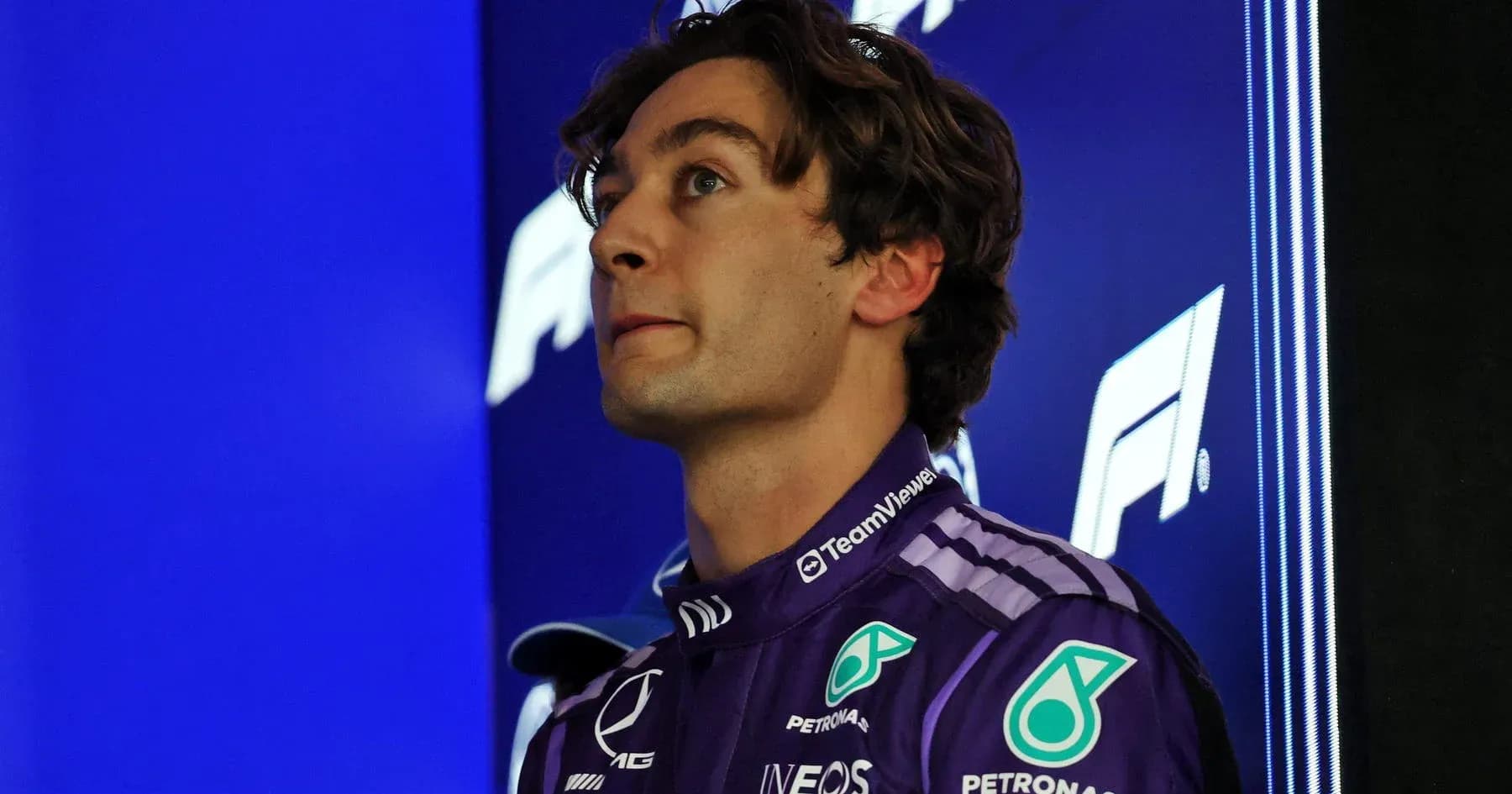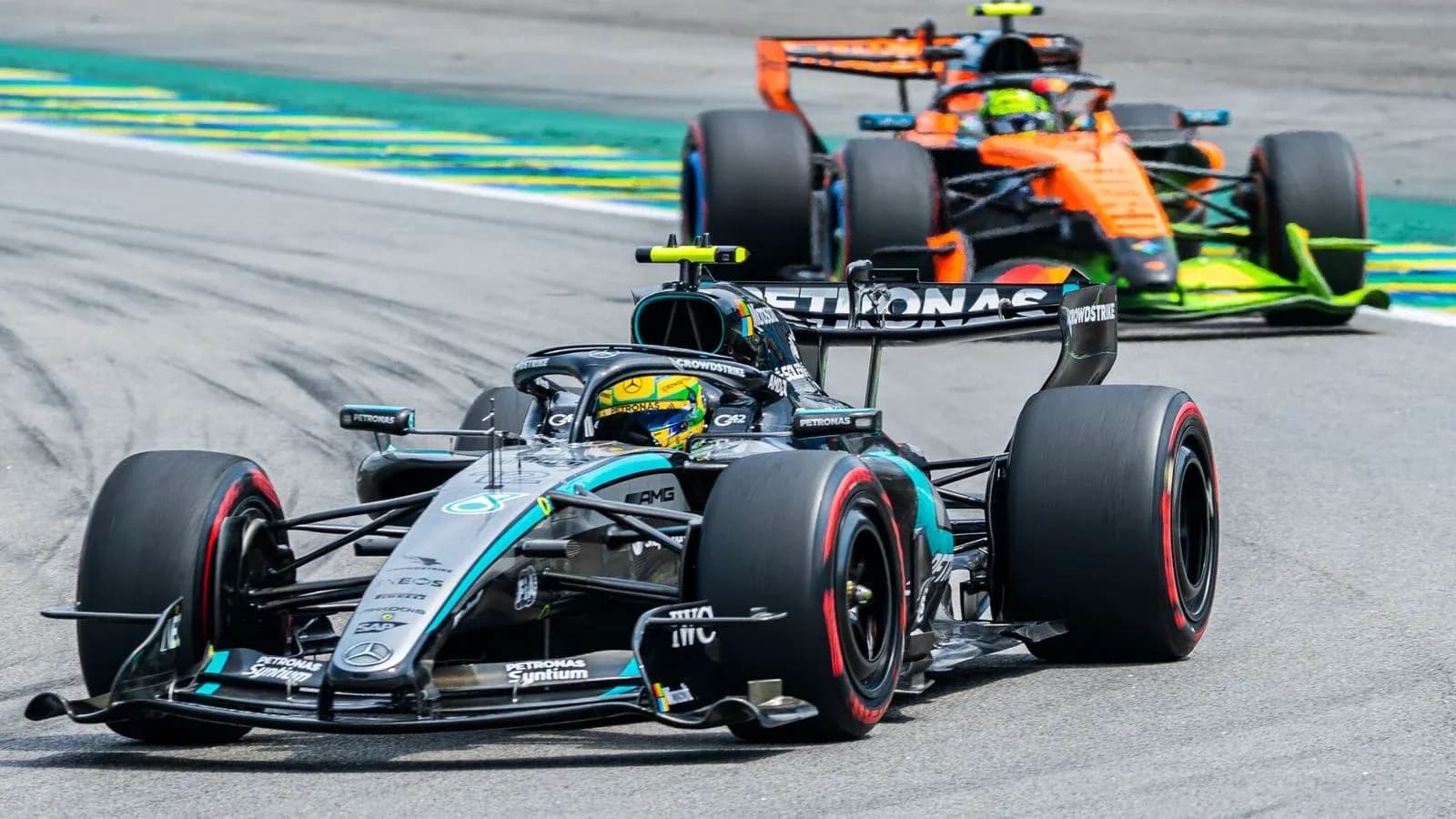
Kimi Antonelli wasted no time reminding Formula 1 exactly why he is the new world champion.
Five days after sealing the title in Mexico and becoming the sport’s youngest champion, the Mercedes driver rolled back onto the asphalt at Interlagos and immediately set the tone. Second quickest in first practice, quickest of all in the more telling second session. Job done. Statement made.
His 1:10.763 lap was the only time of the day under 71 seconds, two tenths clear of Lando Norris and Max Verstappen. Around a short, bruising circuit like Interlagos, that is not a polite margin. It is a warning.
“Antonelli has just found a better rhythm around here than anyone else,” observed Sky Sports F1’s Karun Chandhok from the commentary box. It looked exactly that. Light on the wheel, heavy on authority. A champion driving like the weight has fallen off his shoulders.
Champion at Ease, Field on Alert
Antonelli admitted as much. The title is done, the points column finally irrelevant. The driving, he said, is now about enjoyment. It shows.
He looked loose, unburdened, and yet brutally precise. While others slid and corrected on the low-grip surface, the Mercedes seemed to dance over the bumps, especially through the middle sector where confidence and commitment trump horsepower.
The world champion spoke of tricky conditions, high tyre degradation and the challenge of nailing the right balance. But the real story lay on the timing screens: a clear edge on single-lap pace, and a car that responded well to changes between FP1 and FP2.
Interlagos can turn quickly. The clouds dropped lower over the circuit as the afternoon wore on, the grandstands disappearing into a grey haze. The track stayed dry, but this felt like the calm before the storm.
Norris, McLaren and the Quiet Threat
If Antonelli owned the headline lap, Norris walked away from Friday with plenty to like.
The outgoing world champion, last year’s winner here, topped first practice and backed it up with second in FP2. McLaren arrived with fresh upgrades to the MCL40 and, crucially, they seemed to work straight out of the box.
“I think FP1 we seemed quite easily on the pace,” Norris said. FP2 was trickier, especially against Mercedes over a single lap, but his longer runs looked sharp and repeatable. That matters more over 71 laps on Sunday than one flyer on Saturday.
McLaren’s season has twisted sharply since their mid-year surge. Two wins either side of the August break, then the near-miss in Madrid when a Virtual Safety Car swung the race away from them. Since then, the rhythm has stuttered. They arrived in Brazil 17 points behind third-placed Red Bull in the standings, needing a late push.
On Friday, that push finally felt believable again. Norris talked of “gaining performance” and the data backed him up. The car hasn’t suddenly become easy – he called it “still tricky” – but it’s quicker. For a driver in form, that’s enough.
Oscar Piastri slotted into fifth, a quiet but important supporting act. If McLaren want to drag Red Bull back into range in the Constructors’ standings, both cars need to be in the fight every weekend. On this evidence, they are.
Mercedes’ Double Edge: Pace and Penalty
Behind Antonelli, George Russell added further weight to the sense that Mercedes have brought a serious package to Sao Paulo.
Russell finished fourth in FP2, tucked just behind Norris and Verstappen, and looked competitive on both short and long runs. The sting comes on Saturday night: a five-place grid penalty for a new engine will drag him down the order no matter how well he qualifies.
Mercedes, then, may have the fastest car on Friday and a tactical headache by Sunday. Do they split strategies? Sacrifice Russell’s race to cover off rivals? Or trust the pace and let both drivers race aggressively through the field if needed?
Antonelli’s form gives them options. And options, in a title run-in, are gold dust.
Ferrari Still Searching
Ferrari’s day never quite clicked.
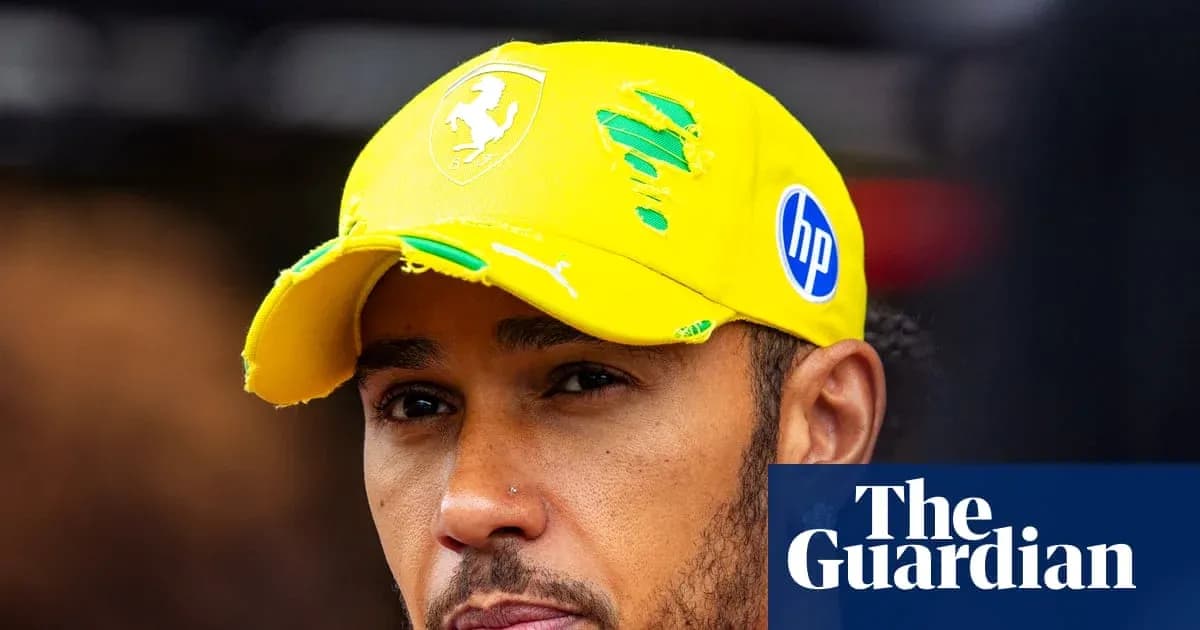
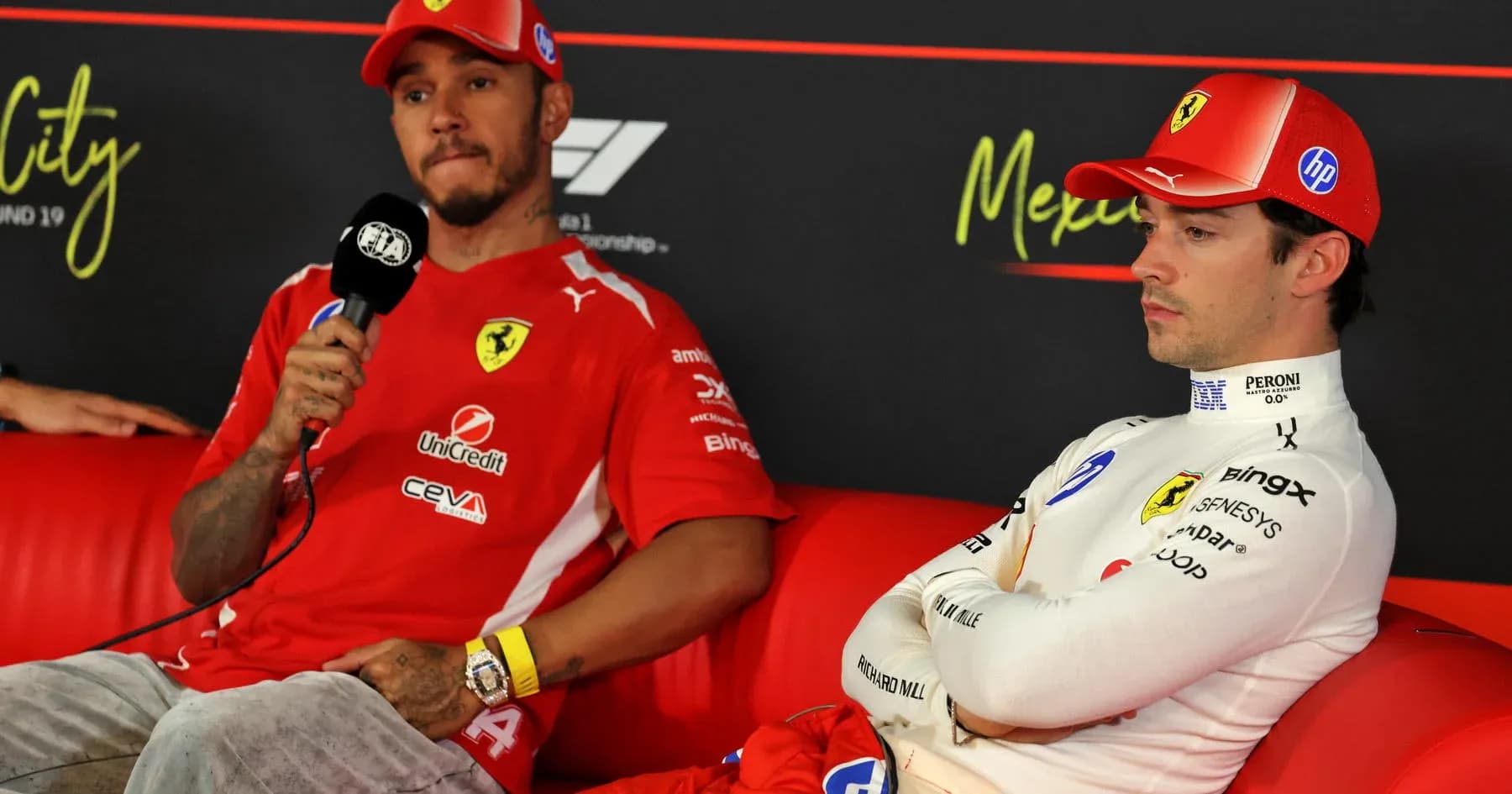
Lewis Hamilton ended FP2 in sixth, Charles Leclerc in seventh. On paper, that is respectable. On track, it felt more like a team still trying to locate a sweet spot that keeps slipping away, especially on the shorter, low-fuel runs.
The shadow of Mexico still hangs over them. That first-lap clash between their drivers cost the team what looked like a probable victory and forced a Thursday-night meeting with team principal Frederic Vasseur to clear the air. The message: reset, refocus, move on.
Leclerc’s own build-up to the weekend was unusual. He missed Thursday’s media day and Friday’s first session, flying back from Monaco after the birth of his first child, Bianca. He returned to the cockpit in FP2 and immediately found himself back in the thick of it – including one awkward moment when Rafael Camara drifted into his path on the fast climb to the line.
The stewards summoned Camara afterwards. Leclerc, already managing a disrupted weekend, did not need the extra drama.
Ferrari traditionally find something extra in qualifying trim, and Antonelli himself pointed to them as a Saturday threat. Right now, though, they are chasing Mercedes and McLaren rather than dictating terms.
Audi’s Mixed Bag and a Brazilian Spotlight
Audi’s day told two very different stories.
On one side of the garage, Nico Hulkenberg never turned a lap in FP2. He sat out FP1 for rookie running, then watched the second session disappear to reliability gremlins. A technical issue cut Freddie Slater’s first-session mileage to seven laps, and an electrical problem then sidelined the car completely.
On the other side, Gabriel Bortoleto quietly produced one of the standout performances of the day. Eighth fastest in the only Audi that ran, ahead of his home grand prix, the Brazilian gave the Interlagos crowd something to cheer early.
He will not be the only local hero on the grid.
Haas have benched Esteban Ocon, who will not race for the team again, and handed the seat to 21-year-old Rafael Camara for his F1 debut on home soil. His first day was steady rather than spectacular: 16th fastest, half a second off Haas team-mate Oliver Bearman in 10th, but with no major errors and plenty of laps banked.
The only real blot was that moment of getting in Leclerc’s way, an early lesson in how quickly small misjudgements are punished at this level. A summons to the stewards is not the souvenir any rookie wants from day one, but it is part of the reality of F1.
For Brazil, though, two home drivers on the grid – Bortoleto and Camara – inject fresh energy into a circuit that already crackles with emotion.
Midfield Movers and a Grid on Edge
Red Bull’s Isack Hadjar slipped into ninth for the works team, another rookie making the most of his opportunity. Bearman, in 10th for Haas, continued to underline why his name keeps cropping up in conversations about the sport’s future.
Interlagos has always been a circuit where young drivers can announce themselves. Short lap, little room for error, big swings in weather. If you’re quick, everyone notices.
By the end of FP2, the order looked tight. Mercedes, McLaren and Red Bull all showed flashes of front-running speed. Ferrari lurked, not yet unleashed. Audi, Haas and the rest of the midfield jostled behind, searching for tenths that could mean five or six grid spots either way.
Antonelli summed it up simply when asked about the fight for pole: it will be “very close.” He name-checked McLaren and Red Bull as strong, and warned that Ferrari tend to find more when the fuel comes out.
On this track, separated by tenths, that is enough to turn qualifying into a knife-edge.
Storm Clouds Gathering
For all the dry running on Friday, the sky told its own story.
Low, misty cloud rolled over the circuit through FP2, smudging the horizon and hinting at what might be coming. Sao Paulo weather has a reputation: sudden downpours, heavy showers that can turn a session upside down in minutes.
Norris did not bother with understatement. “Tomorrow will be very, very wet!” he predicted. “I would bring your rain jacket and a hat.”
Antonelli, already thinking like a champion, spoke of staying “ready for anything” and being “dynamic” with the car and strategy. In a city where the forecast is often little more than a suggestion, adaptability will matter as much as outright speed.
A wet qualifying could shuffle everything. A wet race could turn the championship’s closing stretch into chaos.
For now, though, one fact stands clear above the clouds and the noise: the new world champion has come to Brazil not to parade his title, but to win again.
If this is Antonelli driving relaxed, the rest of the field may be about to find out how ruthless that can look over a full Grand Prix distance.