Knicks Seek Reliable Veteran Center as Training Camp Approaches
The New York Knicks are down a big man and running out of time.
Ariel Hukporti is gone. Jonas Valanciunas slipped away. Their offer sheet for Moussa Cisse? Matched by the Dallas Mavericks. Training camp is closing in, and that third-string center spot still sits empty on a roster that expects to be playing deep into May — and wants to be playing in June.
So the search has shifted from splashy to sensible. No more big swings. Just the hunt for a reliable veteran who can survive a playoff moment if called upon and stay ready if he’s not.
One name has emerged from the pile.
Boucher as a Budget Bet
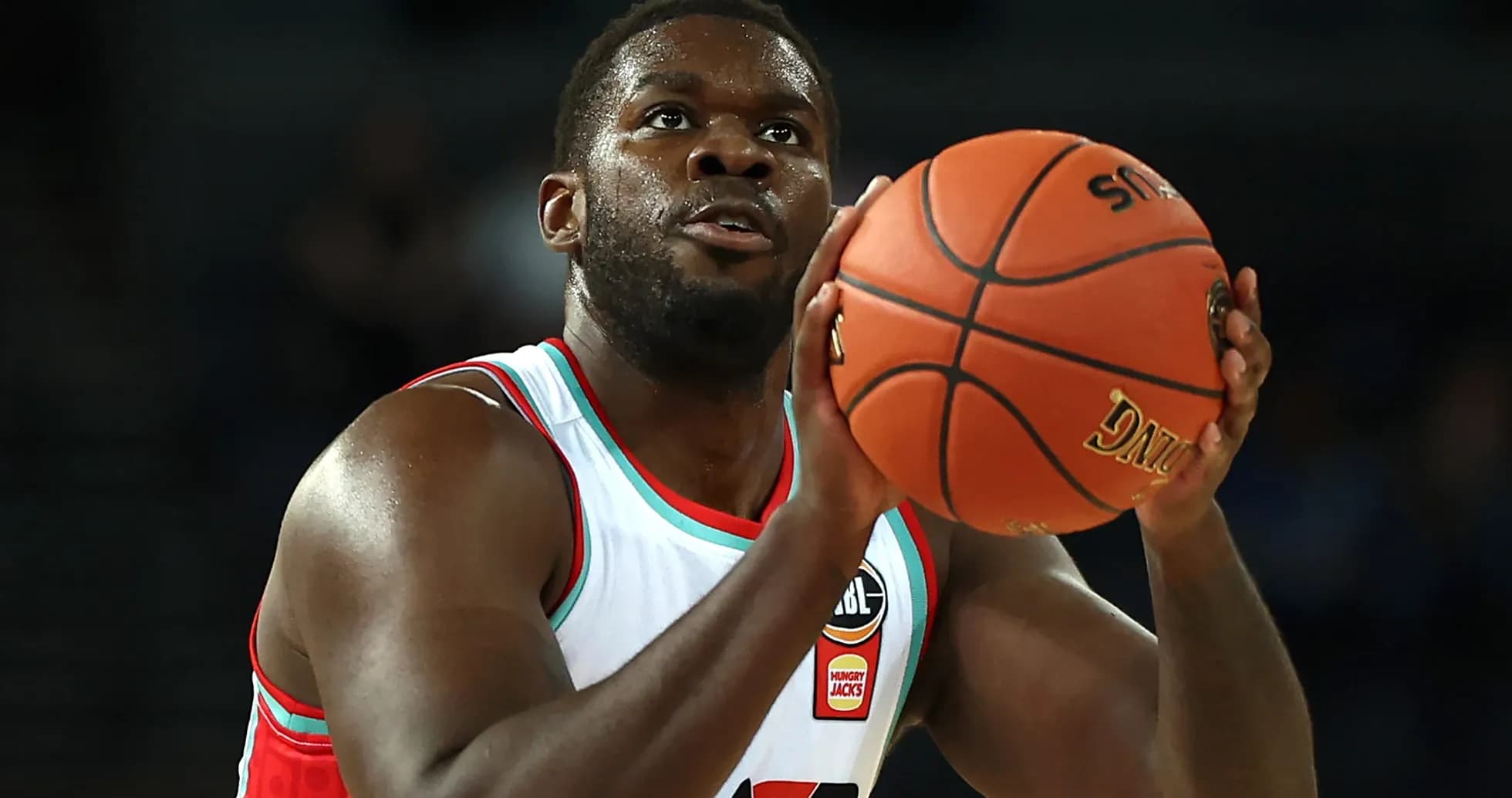
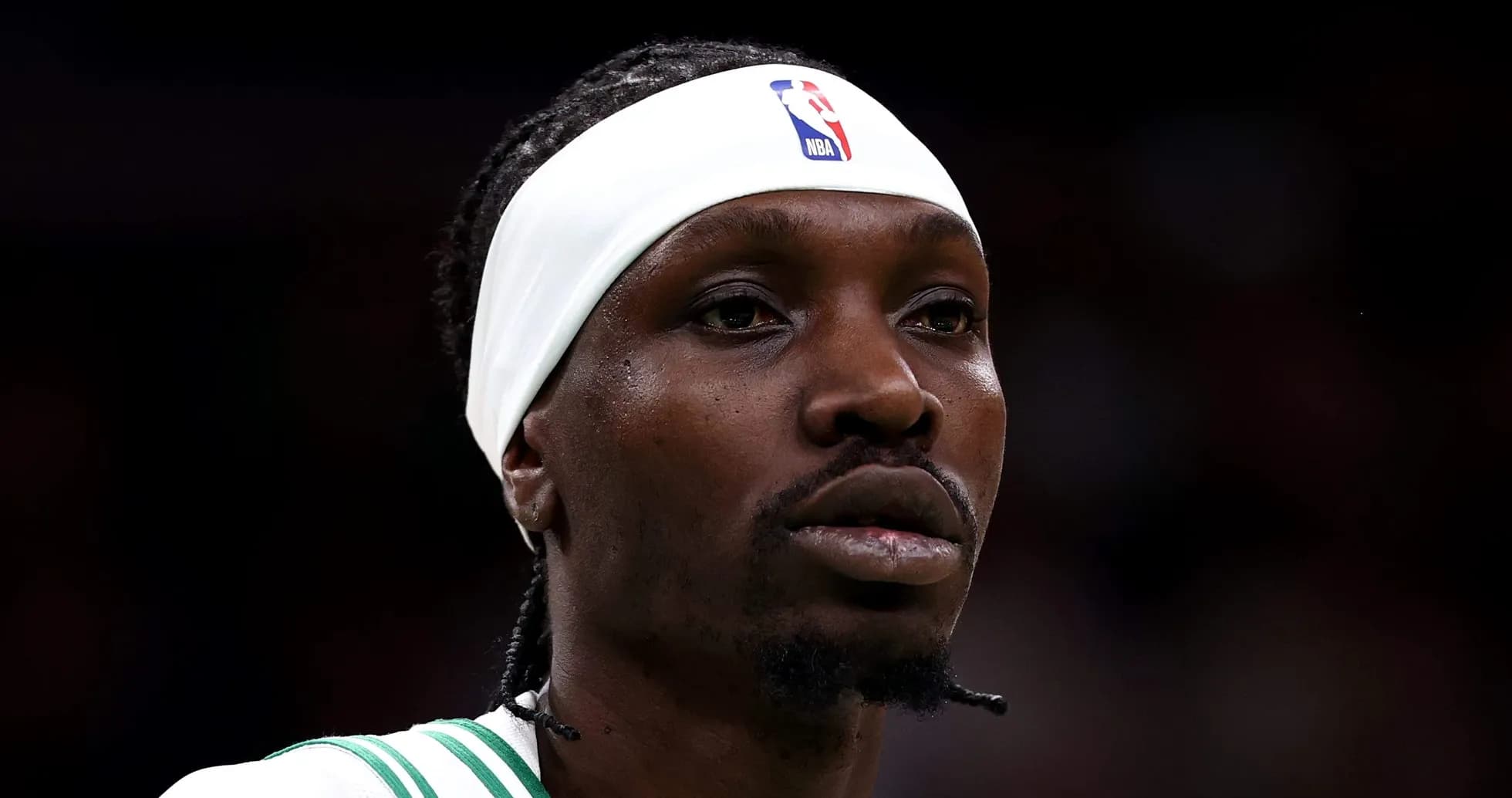
Joseph Randazzo of Knicks on SI floated Chris Boucher as a target worth a closer look, and on paper, the idea fits the moment.
“The Knicks likely consider some inexpensive options to fill out their depth at the center position. Chris Boucher may be an intriguing choice for them in their search,” Randazzo wrote, pointing to what New York really needs at the end of its bench: experience, size, and a player who understands what it takes around a championship-level group.
Boucher, 33, has lived on the fringes of title runs before. He held minor roles with the 2018–19 Golden State Warriors and the 2019–20 Toronto Raptors, absorbing the habits of locker rooms that expected to win every night and every spring.
He’s not a traditional bruiser, but that might be the appeal. Boucher can slide across the frontcourt, giving Mike Brown another long, rangy option who can change the geometry of a game in short bursts. He’ll step out to the three-point line. He’ll rotate from the weak side and challenge at the rim. He’s the kind of bench big who can steal a few minutes without forcing the Knicks to overhaul their identity.
For a team with championship aspirations, that sort of plug-and-play versatility has value — especially when it comes at a likely modest price.
A Veteran Looking for a Reboot
Of course, if New York does move on Boucher, it won’t be signing last decade’s version of him. It will be betting on a rebound.
Last season was brutal for the veteran. He split time between the Boston Celtics and the Utah Jazz and never found any traction. With Joe Mazzulla’s Celtics, Boucher appeared in only nine games. In those limited minutes, he averaged 2.3 points and 2 rebounds, shooting just 32% from the field and 13.3% from three.
That’s not rotation-player production. That’s survival mode.
Boston moved him on, Utah waived him, and Boucher spent the rest of the year watching instead of playing. For a 33-year-old trying to prove he still belongs, that kind of season lingers.
It also sharpens the edge.
If the Knicks hand him a training-camp lifeline and a clearly defined role as a third-string big, they’d be getting a veteran with something to prove and no illusions about his place in the pecking order. Ten to twelve minutes on a random Tuesday, emergency duty when foul trouble hits, high-energy practices, and a steady voice in the locker room — that’s the job.
Boucher’s history on championship-caliber rosters suggests he’d understand that immediately and fold into New York’s culture without noise.
Other Paths on the Board
Still, this is not a one-name market.
There are other big men sitting in free agency, waiting for the right call. Some offer more size, some offer more rim protection, some offer cleaner shooting profiles. There are also trade possibilities, the kind of low-cost, end-of-rotation moves that materialize once teams start sorting out their own depth charts.
Boucher is an option, not a mandate.
New York might decide the fit isn’t quite right — whether because of age, recent form, or stylistic preference — and pivot to another veteran. It could lean into flexibility, keeping the roster spot open into the season and waiting for the next wave of cuts and buyouts. Every year, a big man becomes unexpectedly available when minutes dry up or a team changes direction.
There’s also a bolder stance available: roll into the season with just two bigs in the core rotation and trust the versatility elsewhere on the roster. That approach puts more pressure on health and foul discipline but preserves a slot for a future move when the picture around the league clears.
For now, the Knicks hold something more valuable than a fringe center: leverage. They’re not desperate. They’re deliberate.
They know they need to get this one right, even if the player in question is penciled in as the 11th or 12th man. Depth has a way of deciding seasons when injuries hit and playoff series stretch thin.
The question now is simple: do they see Chris Boucher as the kind of veteran who can steady the back end of a contender’s frontcourt, or does that final spot belong to someone who hasn’t even shaken free yet?