Jonathan Kuminga Chooses Timberwolves Over Lakers: A Strategic Move
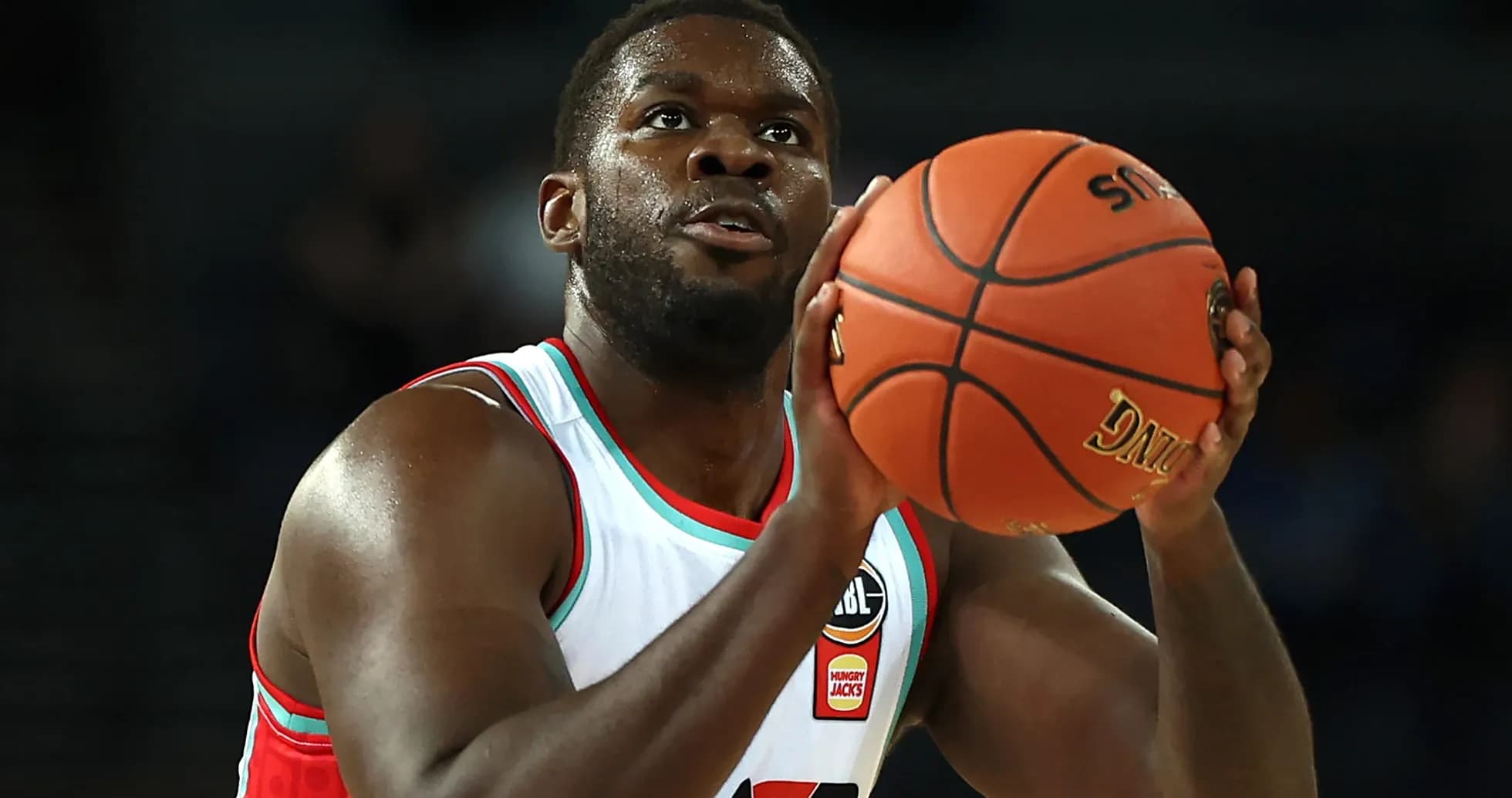
Jonathan Kuminga had two doors in front of him. One opened to the Minnesota Timberwolves. The other, to the bright lights and banners of the Los Angeles Lakers.
Most around the league thought he was Hollywood-bound. The Lakers were heavily linked, the fit looked obvious, and the role was there for him. Instead, Kuminga walked straight into Minnesota on a two-year deal, leaving a richer Lakers offer on the table.
His explanation? He wanted “a winning culture.” And right now, in his eyes, that meant the Wolves.
On the surface, that line sounded like a jab at one of the most decorated franchises in sports. But as Sports Illustrated’s Ryan Ward pointed out, it might actually explain why the Lakers were willing to let him walk.
“Kuminga seemed like the right choice for the Lakers, as he’d easily slip into the starting lineup right away with Luka Doncic and address a need,” Ward wrote, before noting that the forward’s comments were “pretty telling in terms of where his head is at ahead of the 2026-27 campaign.”
The Lakers’ pitch was straightforward: come to L.A., start on the wing next to Luka Doncic and Austin Reaves, and grow into a core piece. It’s not hard to see the appeal. An athletic 23-year-old with size and two-way potential, dropped into a starting role alongside one of the game’s premier offensive engines.
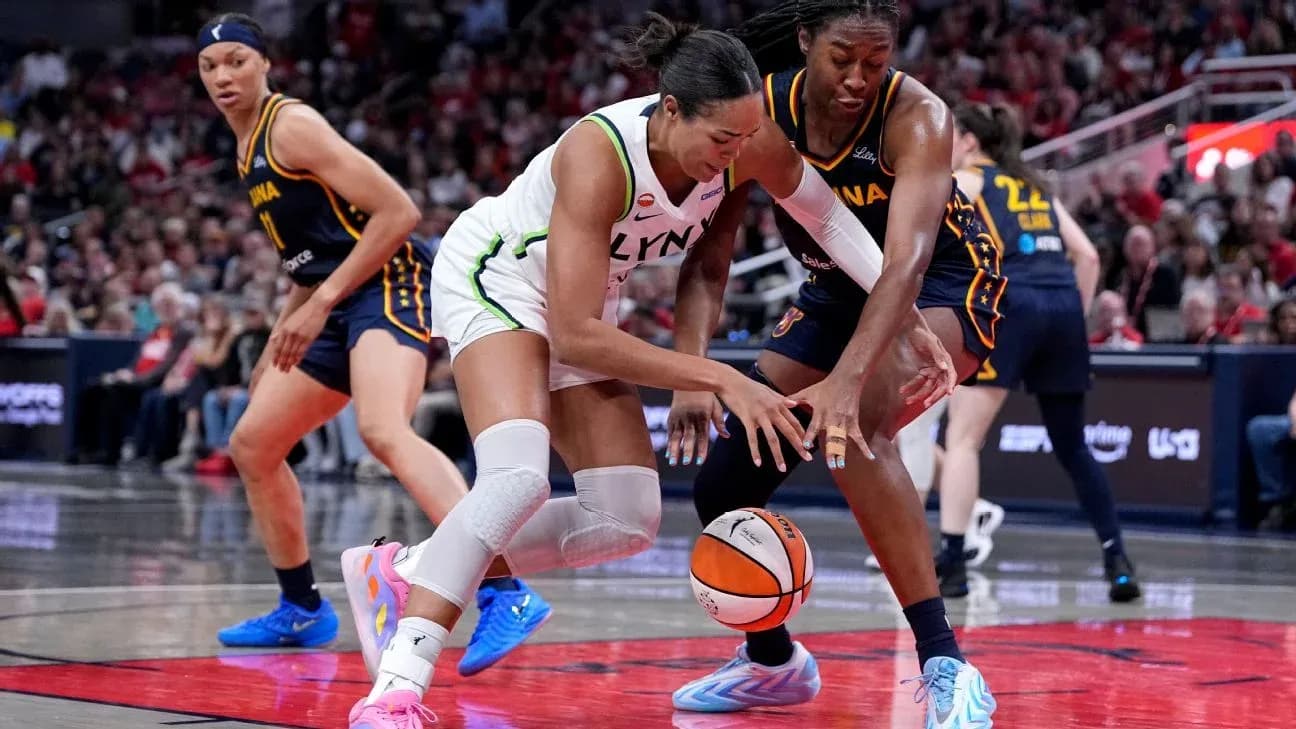
Minnesota, though, had its own selling point. LaMelo Ball joined Anthony Edwards this offseason, sharpening the Wolves’ ambitions and giving Kuminga another young, star-laden backcourt to run with.
Historically, if you’re talking “winning culture,” the argument usually begins and ends in Los Angeles, not Minneapolis. But the modern NBA doesn’t care much for old banners when it comes to a player’s next move. Kuminga chose the team he believes is closer to winning now, not the one with the more crowded rafters.
A Gamble the Lakers Didn’t Have to Make
Strip away the noise and the Lakers’ interest in Kuminga made basketball sense. They need an athletic wing. They need length. They need someone who can defend up and down the lineup and finish plays created by Doncic. Kuminga checks all of those boxes.
But his résumé comes with warning labels.
Golden State, the franchise that drafted and developed him, ultimately decided not to build around him long-term. Atlanta took a look, then declined his team option, sending him into the market and into Minnesota’s hands.
“One major red flag for Kuminga is that the Golden State Warriors and Atlanta Hawks didn’t want him on their teams long-term,” Ward wrote. “It’s not to say a change of scenery can alter how a player is perceived, but two teams giving up on a 23-year-old might be a sign that a player can be a problem.”
That’s the tension with Kuminga. The tools are obvious. The fit is not.
The Lakers, under pressure to maximize Doncic’s prime, cannot afford another long, experimental project in the starting lineup. Not at a premium price. Not when the margin for error in the West is razor thin.
If Kuminga had signed, he almost certainly would have started. He almost certainly would have helped. But he also would have been a bet: on his consistency, on his buy-in, on his ability to finally click in a system after two franchises moved on.
This summer, the Lakers had bigger bets to make.
Walker Kessler at center loomed as the real priority. A starting five anchor is closer to a necessity; an explosive wing, while important, is closer to a luxury. The fact that Los Angeles didn’t sprint to close a deal with Kuminga, despite the need, speaks loudly. They liked him. They didn’t need him.
Life After Kuminga: Grimes, the Wing, and What’s Next
So where does that leave the Lakers on the wing? Not empty-handed. Just less flashy.
Quentin Grimes arrived this summer and currently slots into that starting wing role. He’s shorter than Kuminga, less of a pure physical marvel, but he brings something the Lakers often value more than raw upside: a clearer sense of who he is as a player.
Grimes is a couple of years more seasoned, understands his role, and has already brushed shoulders with Doncic from their brief overlap with the Dallas Mavericks. That familiarity matters. Knowing where to stand, when to cut, how to space around a high-usage star like Doncic — it can turn a “good fit on paper” into a functioning offense in reality.
Grimes won’t dominate headlines. He might, however, plug a hole without demanding the ball, the spotlight, or the franchise’s patience.
The Lakers can still scan the market for another wing. There will be names dangled, rotations shaken, and unhappy scorers made available as the season unfolds. They can chase a star if one shakes loose, or they can ride with what they have and see whether continuity beats volatility for once in Los Angeles.
Kuminga, meanwhile, gets what he wanted: a fresh start in a locker room that believes it’s ready to contend, a young core, and a chance to prove that Golden State and Atlanta were wrong to let him go.
Will the Lakers regret missing out on that upside? Or will this be the latest case of a big name they almost signed, but were better off avoiding?
The answer won’t come in a press release or a training camp quote. It’ll come when the games start, when Kuminga is either thriving in Minnesota’s “winning culture” — or when the Lakers, with Grimes on the wing and Kessler in the middle, are winning enough that they stop wondering about the one that got away.