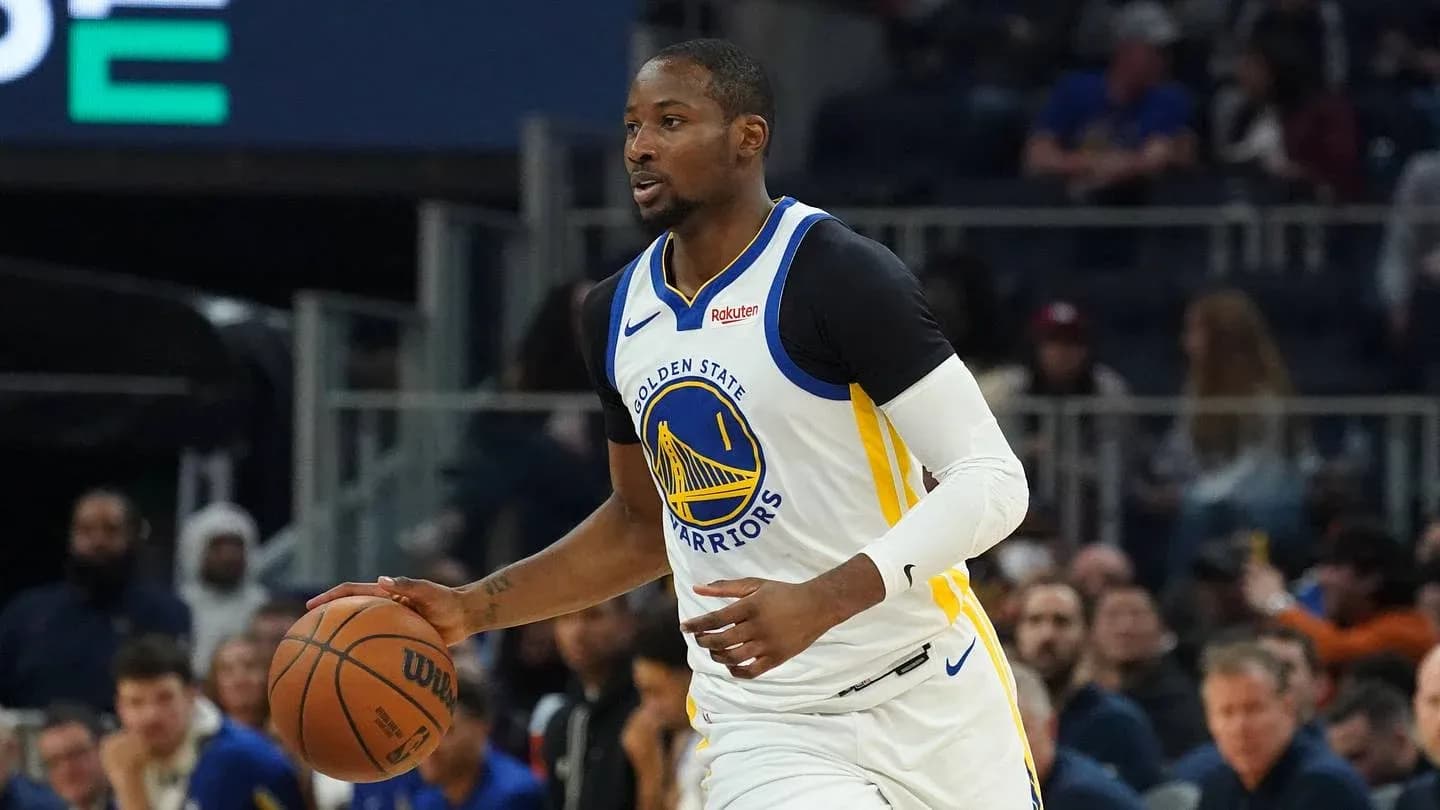
Jonathan Kuminga's Contract: A Missed Opportunity for the Warriors
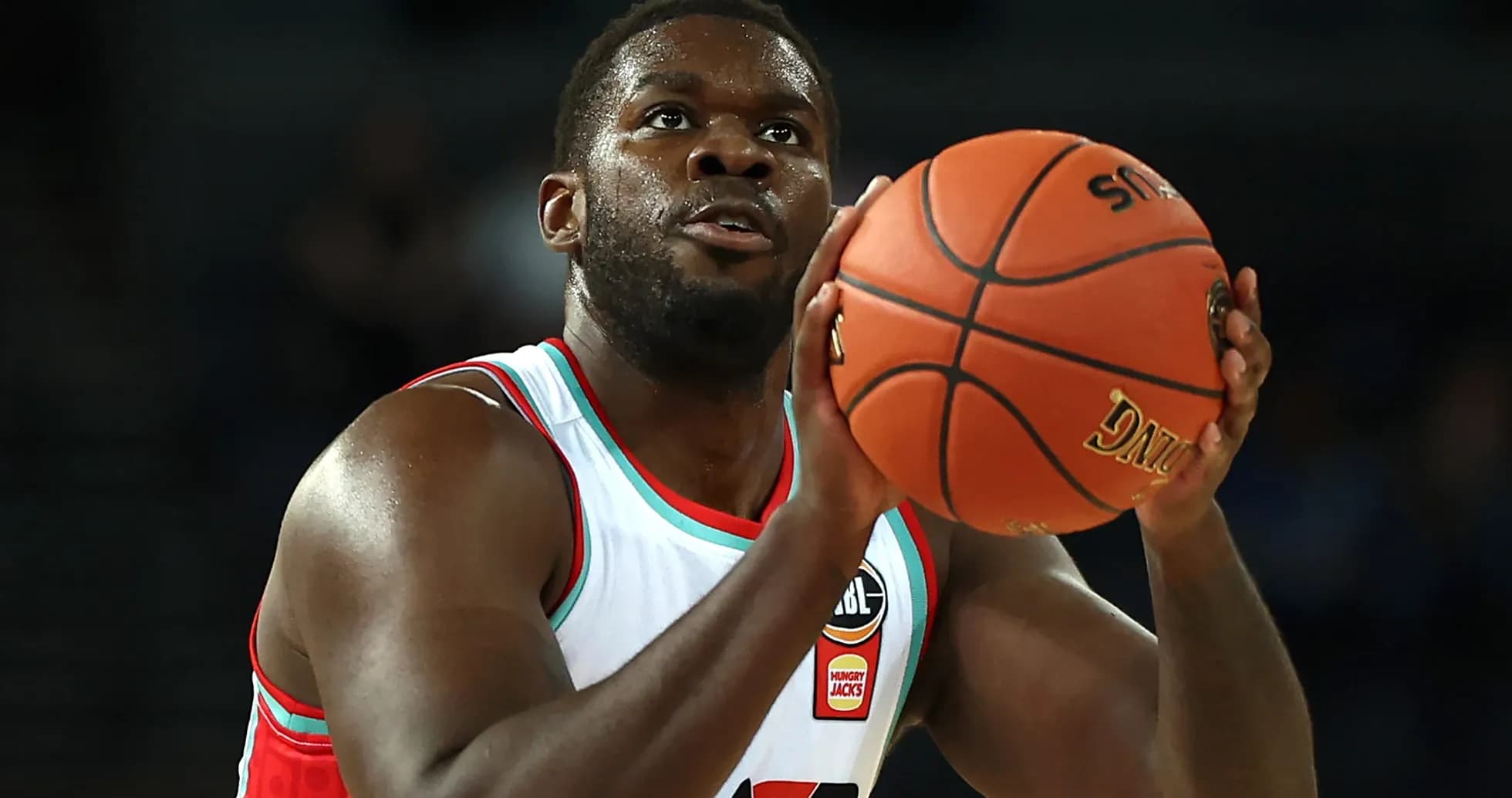
Jonathan Kuminga’s new reality arrived with a thud on Wednesday: two years, $12.4 million with the Minnesota Timberwolves. Taxpayer mid-level money. A far cry from the three-year, $75.2 million offer he once had in his hands from the Golden State Warriors.
Warriors fans reacted the way they always do — with volume, emotion, and a thousand versions of the truth. Some blamed Kuminga’s camp for misreading the market. Others fixated on Steve Kerr, on rotations, on “development.” But strip away the noise and one thing stands out.
Golden State never should have put $75.2 million on the table in the first place.
The Offer That Never Made Sense
The story of how we got here has already been well-documented. ESPN’s Shams Charania and Anthony Slater laid out the step-by-step of last year’s extension talks:
- Mike Dunleavy Jr. opened with a two-year, $45 million deal, team option in Year 2.
- Kuminga said no. He wanted more money annually or control in the form of a player option.
- Dunleavy came back with a bigger swing: three years, $75.2 million, team option in Year 3.
- Again, Kuminga declined, still unwilling to accept a team option.
- Owner Joe Lacob pushed back on a one-year “balloon” deal, wary of losing the asset for nothing the following summer.
- Eventually, the sides landed on a two-year agreement worth up to $48.5 million, with — ironically — a team option in the second season.
That’s the part that now looks brutal from Kuminga’s perspective. He ended up with a contract structure he didn’t want, at roughly the same average annual value, but with more than $20 million less guaranteed than the $75.2 million offer.
The market has now delivered its verdict. A player who once turned down $25 million per year just signed for roughly $6.1 million in his first season with Minnesota. Whatever Kuminga believed he was, the rest of the league didn’t see a $75 million player.
Which brings the focus back to the Warriors’ side of the table. That $75.2 million offer wasn’t just generous. It was reckless.
The Alternate Timeline: If Kuminga Said Yes
Run the scenario in reverse.
Imagine Kuminga had accepted the three-year, $75.2 million deal with the team option on the back end. The odds are high that nothing fundamental would have changed about his on-court reality. His friction with Steve Kerr wasn’t about contract figures. It was about role, trust, and consistency — things that money doesn’t fix.
Kuminga still would have bristled at his usage. Kerr still would have wrestled with the balance between developing a young wing and maximizing the final chapters of Stephen Curry’s prime. The tension that eventually helped push Kuminga out the door likely would have surfaced anyway.
The difference? The Warriors would have been stuck.
Part of the reason Atlanta was willing to trade for Kuminga was the flexibility baked into his deal. From the Hawks’ perspective, he was essentially on an expiring contract. They could take a look, then decide. They did exactly that, declining the team option and letting him hit free agency.
If Kuminga had been locked into a guaranteed 2026-27 salary at that $75 million valuation, does Atlanta still move Kristaps Porzingis for him? That’s a much tougher sell. A distressed asset on a big number is one of the hardest things to move in the modern NBA.
In that alternate universe, Kuminga might still be in the Bay, unhappy, demanding a trade, while the Warriors scour the league for a deal that doesn’t exist. Curry’s timeline would be ticking louder. The cap sheet would be heavier. The options thinner.
Kuminga turning down the $75.2 million didn’t just cost him money. It bailed the Warriors out.
A Lucky Escape, Not a Clean Process
Golden State avoided the worst-case scenario, but that doesn’t mean the front office deserves a victory lap.
The Kuminga saga exposed a deeper issue: how the organization evaluated its own asset and how far it was willing to go to protect a bet that never truly paid off.
The Warriors didn’t just draft Kuminga high and hope. They invested years of patience, minutes, and internal capital in the idea that he would be the bridge between eras — the explosive, two-way forward who could eventually take the torch from Curry, Klay Thompson, and Draymond Green. They reportedly turned down trade packages over the years because of that belief.
Now, five seasons in, Kuminga is signing a two-year, $12.4 million deal as he enters what should be his physical prime. That’s not the profile of a near-max cornerstone. That’s a flyer.
To be fair, not all of this sits on Mike Dunleavy Jr.’s desk. Bob Myers was the general manager when Kuminga was drafted, and the organizational vision around him was shaped in those early days. Since taking over, Dunleavy has actually put together a promising draft résumé: Brandin Podziemski looks like a hit, Quinten Post and Will Richard have shown real upside, and Yaxel Lendeborg’s summer league flashes have already turned heads inside the building.
But the Kuminga chapter remains a stain. The $75.2 million offer stands as a neon reminder of how misaligned the Warriors’ internal valuation was with the rest of the league.
Golden State got lucky. Kuminga said no. The cap sheet survived. The flexibility remains.
Luck, though, is not a strategy. As the Warriors try to navigate the final years of Curry’s career and sketch out whatever comes next, the question isn’t whether they dodged a bullet with one contract.
It’s whether they’ve truly learned from the mess that forced them to dodge it in the first place.