Lakers' Offseason Shake-Up: Pursuit of P.J. Washington and Impact of Jonathan Kuminga's Decision
The Los Angeles Lakers have spent the summer swinging an axe, not a scalpel.
Every starter from last season’s first-round playoff series is gone. In their place: a wave of younger legs and fresh depth around Luka Doncic, a clear attempt to reset the timeline and the identity of the roster. The message from the front office has been blunt enough—age out, energy in.
But the plan just hit a snag.
A Miss on Kuminga, a Hole Up Front
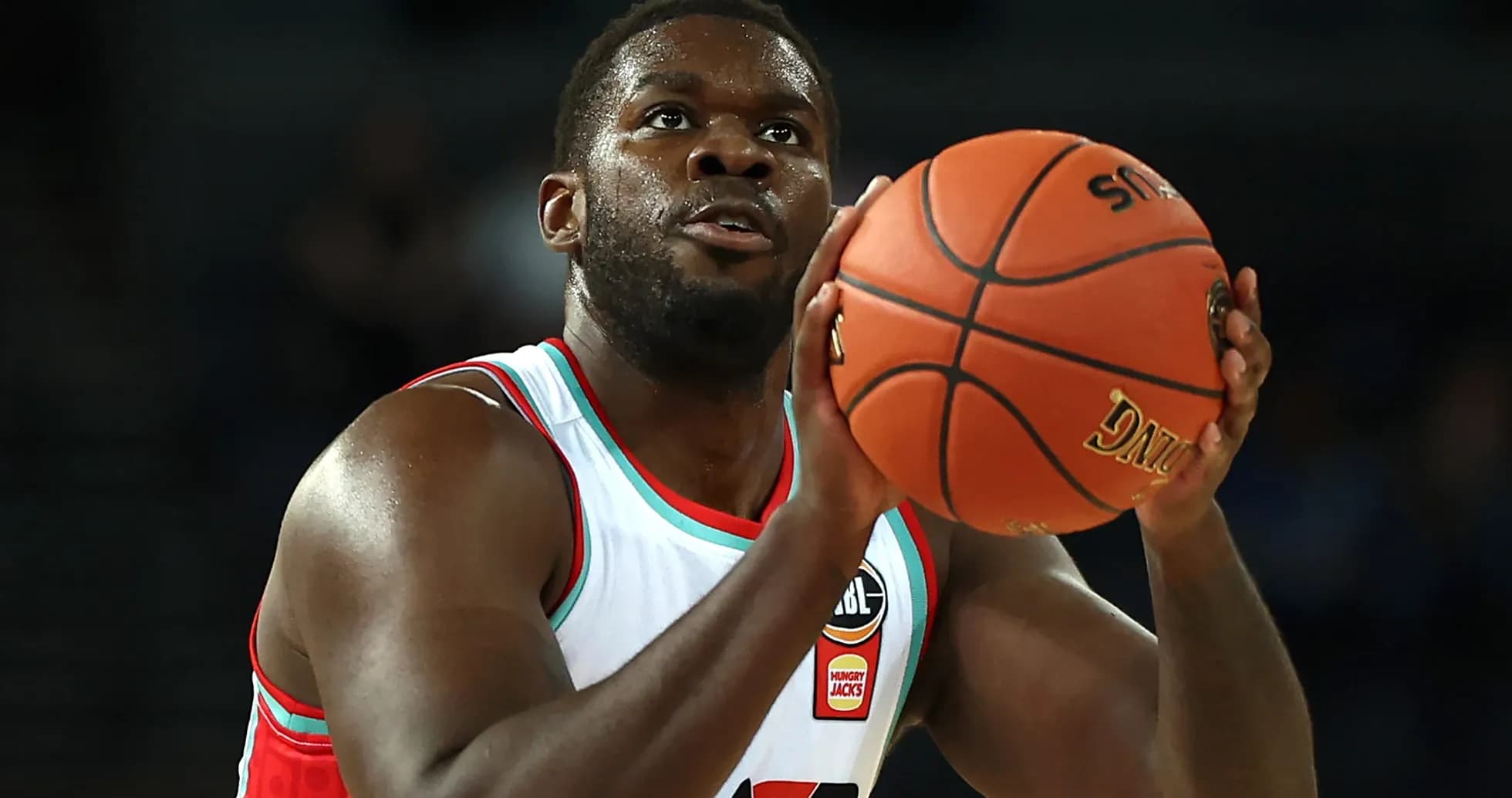
The pursuit of Jonathan Kuminga was supposed to plug the most obvious gap. Instead, it ended with the forward choosing a two-year deal with the Minnesota Timberwolves and left the Lakers staring at an uncomfortable reality.
“The Lakers’ failed pursuit of Jonathan Kuminga, who is signing a two-year deal with the Timberwolves, has left them with a hole in the frontcourt,” Khobi Price wrote in the California Post.
That hole is not just about bodies. It’s about flexibility.
Price noted the numbers that now box the Lakers in: their payroll sits just $8.1 million below the NBA’s $209 million first-apron threshold, locking them into a hard cap for the 2026-27 season. They already have 16 players on guaranteed contracts. The margin for maneuver is razor thin, and the calendar isn’t slowing down with training camp about a month away.
So the question hangs over the franchise: where do they find another impact big, or even a credible starter, in a market this dry and with assets this limited?
P.J. Washington: Fit on Paper, Roadblock in Practice
Naturally, attention drifted back to a familiar name.
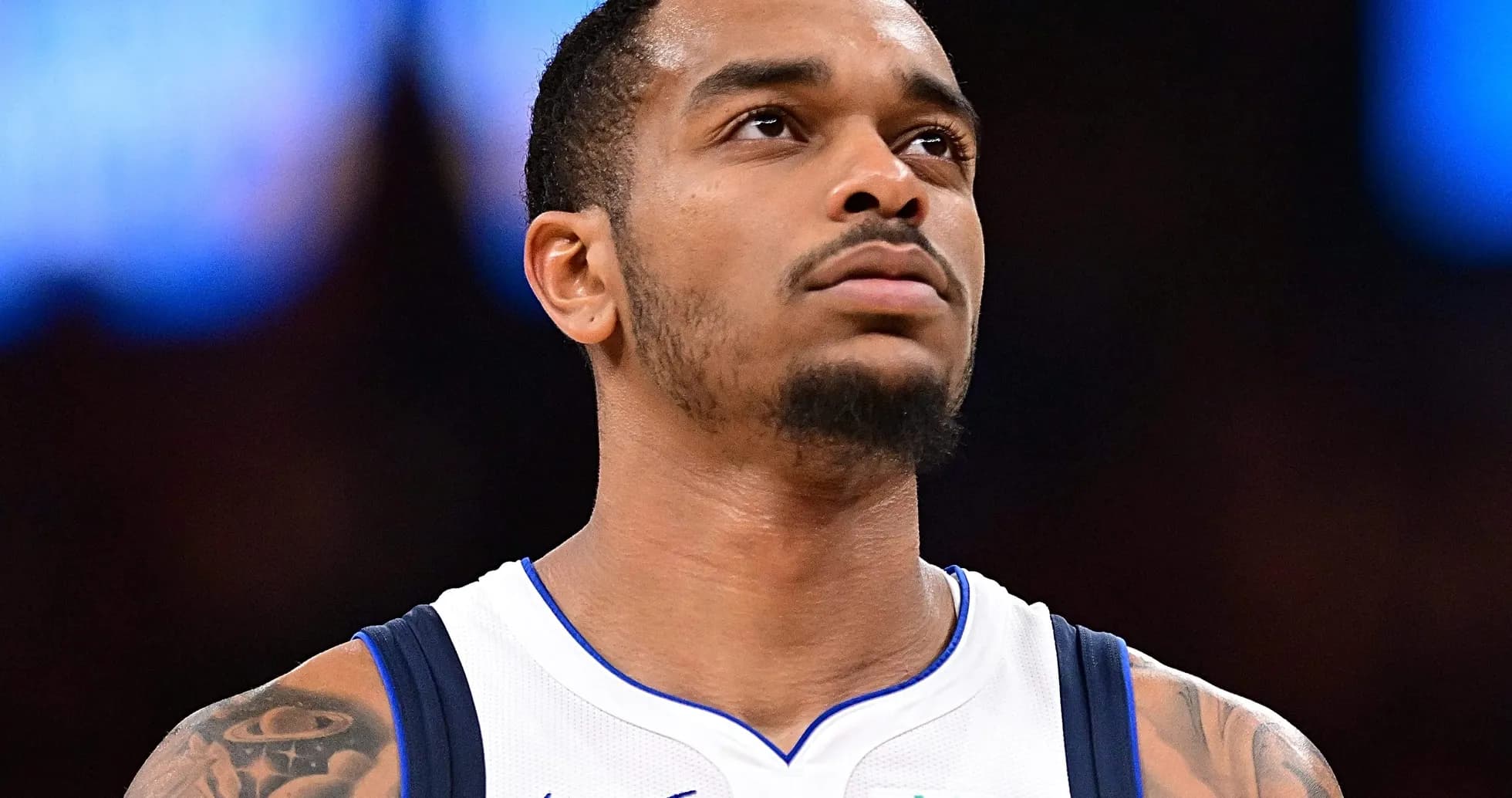
For the second straight offseason, P.J. Washington has been linked to the Lakers in speculation. The logic is obvious. He has already shown he can complement Doncic from their time together with the Dallas Mavericks. Stretch the floor, defend multiple spots, take some creation pressure off the star. On paper, it makes sense.
Inside the building, the tone is different.
“Off the bat, we’re starting with a player the Lakers have repeatedly said they have no interest in, if that gives you a sense of how dry the market is,” Lakers reporter Jacob Rude wrote in a fan mailbag.
After the Lakers’ early free-agency splurge, many outside the organization circled Washington as the cleanest answer to the vacancy in the starting lineup. Reports cut that idea down quickly. The sticking point wasn’t the player. It was the deal.
Washington, 27, is owed a fully guaranteed $88.8 million over the next four seasons—nearly $90 million in total. For a team already brushing up against the apron, that kind of long-term commitment is no small decision.
“The Lakers have long been tied to trade rumors involving Mavericks forward P.J. Washington, a former teammate of (Luka) Doncic’s in Dallas, but as The Post previously reported, the fully guaranteed $88.8 million Washington is owed over the next four years isn’t appealing to the Lakers.”
That’s the line in the sand for now. It’s not about Washington’s game. It’s about the bill.
Waiting Game: Deadline Dynamics
But the NBA rarely stands still.
If Washington is too expensive today, could he become a different kind of asset by the time the trade deadline approaches? The Mavericks have loaded more than $300 million into their frontcourt, with Washington and Daniel Gafford taking up a significant slice of that investment. Behind them, younger bigs are pushing for minutes and, soon enough, money.
Something will have to give.
“I think Dallas could really stand to benefit from both P.J. Washington and Daniel Gafford playing their way into greater trade value this season,” NBA insider Jake Fischer reported. He added, “I haven’t heard of any team targeting P.J. Washington for sometime. Daniel Gafford has had far more trade interest, to my understanding.”
That silence around Washington is telling. It also hints at an opening.
If the Mavs struggle to find a buyer at their current asking price, the market may force them to soften their stance. A contract that scares teams off in August can look different in February if a contender grows desperate, an injury reshapes a rotation, or a front office decides it cannot waste another year of a superstar’s prime.
The Lakers are already operating in that space. They need frontcourt help. They are short on tradeable assets. They are managing a tight cap picture. Yet they also have Doncic, and that alone keeps the door open to bold moves.
If Dallas blinks first and the price drops, the calculation in Los Angeles could change. The contract wouldn’t shrink, but the cost to acquire it might. At that point, the question for the Lakers won’t be whether P.J. Washington fits.
It will be whether they are willing to bet their remaining flexibility that he’s the missing piece.