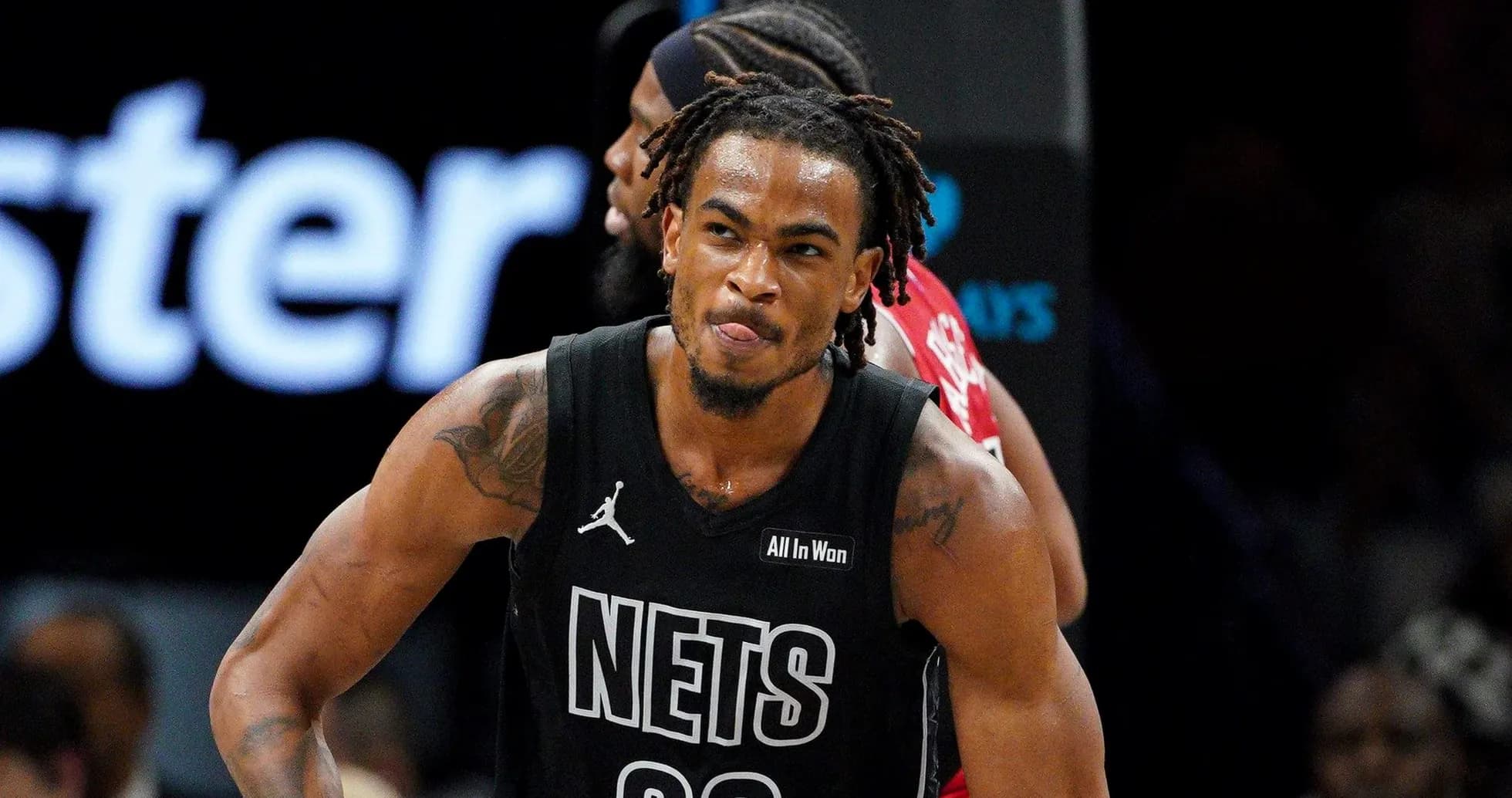
Lakers Target Claxton to Reshape Frontcourt
The Los Angeles Lakers have spent most of the summer hunting for size that can actually stay on the floor. This trade concept hands them exactly that — and reshapes the frontcourts of three franchises in one swing.
Lakers Bet on Claxton’s Ceiling and Clean Cap Sheet
In this proposal, the Lakers receive Nicolas Claxton from the Chicago Bulls, with the Milwaukee Bucks stepping in as a third team:
- Lakers receive: Nicolas Claxton
- Bulls receive: Myles Turner, Jericho Sims, Jaden Hardy
- Bucks receive: Isaac Okoro, Jarred Vanderbilt, Dalton Knecht
For Los Angeles, the logic is blunt. Walker Kessler and Kevon Looney simply haven’t been available. Between them, they managed just 26 games last season. That’s not a rotation; that’s a risk.
Behind Kessler, the Lakers don’t have another true big they can trust to absorb minutes against the West’s giants: Nikola Jokic, Victor Wembanyama, Chet Holmgren. That’s a nightmare waiting to happen in a seven-game series.
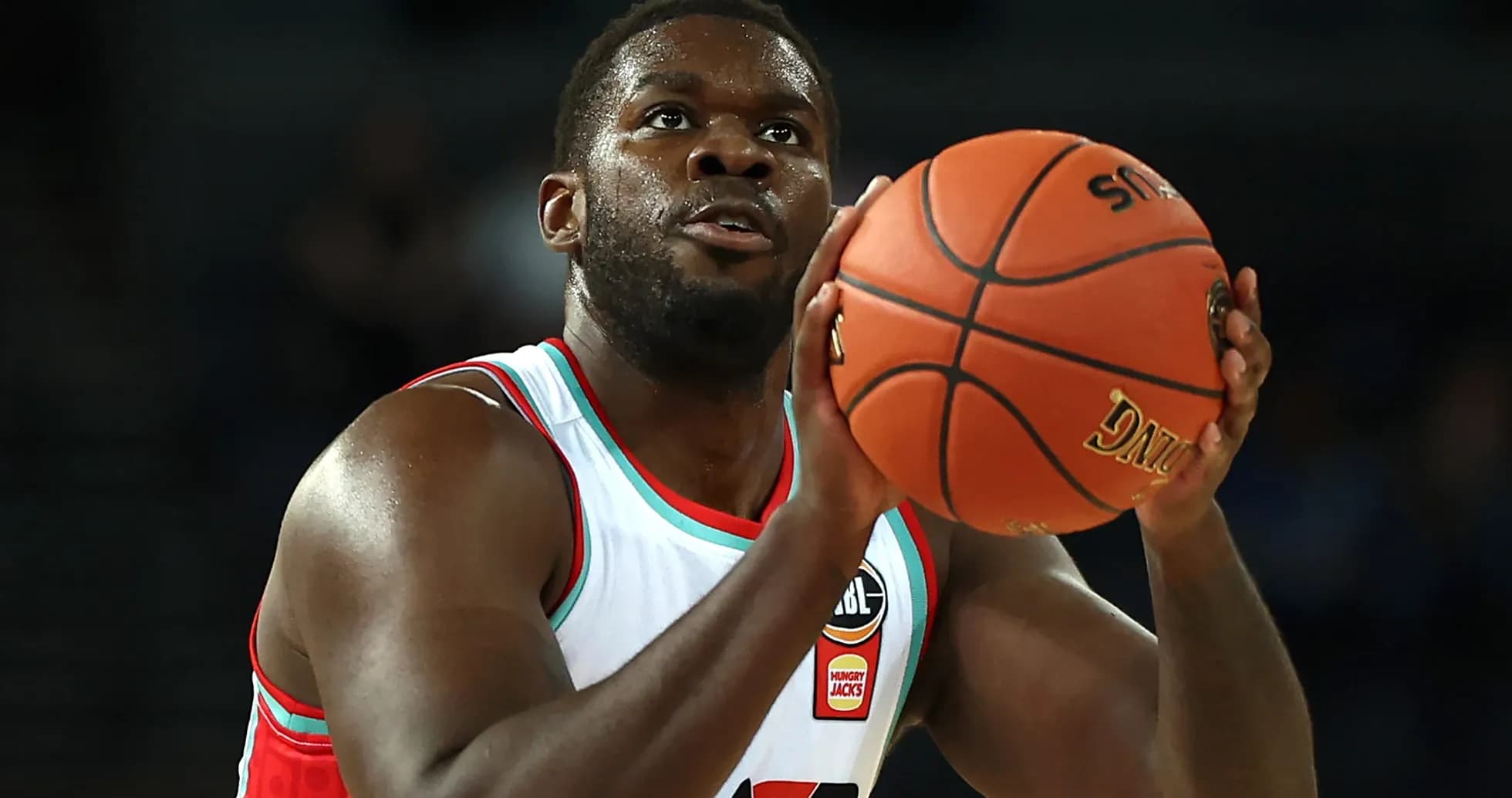
Claxton changes that equation. At 27, he’s the archetype of the modern rim-running center — long, bouncy, and built for the pick-and-roll. With Luka Doncic and Austin Reaves orchestrating, Claxton becomes a vertical threat every time he sprints into a screen. He dives, they find him. Simple, repeatable, playoff-proof offense.
Defensively, he slots in as Kessler’s backup while still giving JJ Redick room to experiment. If Kessler’s three-point range continues to stretch out, Redick can roll out two-big lineups against oversized Western frontcourts without sacrificing spacing entirely. Kessler outside, Claxton inside, and a wall of length behind the guards.
The contract piece matters just as much. Claxton is on an expiring $21 million deal next season. That’s significant money, but it doesn’t choke long-term flexibility. If the fit isn’t right or another star shakes loose, he’s movable. The deal also trims the Lakers’ roster from 16 to 14 players, opening space for a late-season veteran addition via the buyout market.
For a guard-heavy roster built around Doncic’s usage and Reaves’ versatility, an athletic big on a short-term number is exactly the kind of swing a front office can live with.
Bulls Pivot to a Stretch Five for Their New Core
Chicago, in this scenario, accepts that Nicolas Claxton isn’t the long-term anchor for its next era.
Claxton arrived in the Windy City as part of the Julius Randle deal, but the Bulls’ center room already leans young: Jalen Smith, Australian prospect Lachlan Olbrich, and Tobe Awaka are all on the developmental track. With Tiago Splitter overseeing what’s expected to be a full rebuild and Caleb Wilson emerging as the new franchise focal point, the Bulls need fit as much as talent.
Myles Turner offers that fit. His profile is clear: a center who protects the rim and stretches the floor. Last season, he averaged 2.1 made threes per game on 38% shooting from deep. That kind of shooting from the five spot changes the geometry for Wilson, Matas Buzelis, and Josh Giddey. It drags opposing bigs out of the paint, opens driving lanes, and gives Chicago a cleaner offensive template.
Turner can start immediately, provide structure, and still space the floor for a young group that needs room to breathe.
Jericho Sims arrives as a complementary piece. He’s not a headliner, but as a backup center alongside Smith, Olbrich, and Awaka, he adds another athletic body to a rotation that will be built on energy, development, and experimentation.
Chicago sacrifices Claxton’s upside, but gains a stylistic match for Wilson and a clearer identity around its frontcourt. For a team leaning into a rebuild, fit around the future star matters more than clinging to overlapping pieces.
Bucks Cash Out on Turner and Lean Into the Youth Movement
For Milwaukee, this is about timing and money.
Myles Turner is on a four-year, $109 million contract that will pay him $29 million at age 34. Let that run too long, and it risks becoming an albatross on the cap sheet. Moving him now, before the decline years hit the books, gives the Bucks breathing room as they retool.
In this structure, the Bucks receive Isaac Okoro, Jarred Vanderbilt, and Dalton Knecht. On paper, it looks like a downgrade in star power. On the balance sheet and in the locker room, it makes more sense.
Okoro and Knecht are both on expiring deals, instantly cleaning up future obligations. Vanderbilt’s contract runs longer, but it wraps with a player option in 2027-28, a manageable piece in a cap environment that keeps rising.
On the floor, Turner is already drifting out of Milwaukee’s plans. Taylor Jenkins is steering into a youth movement, with Kel’el Ware stepping into the starting center role. Behind him, the Bucks are investing minutes in developmental bigs like John Butler Jr. and the versatile 6-foot-10 Nate Arment. Turner, at this stage, doesn’t match that timeline or rotation.
Okoro brings defensive toughness on the perimeter. Vanderbilt adds size, rebounding, and switchability in the frontcourt. Knecht offers shooting and scoring punch on the wing. None of them are franchise-changers alone, but together they give Milwaukee depth, flexibility, and optionality while Ware and the young bigs grow.
Turner leaves as the odd man out. The Bucks, in turn, get younger, cheaper, and more aligned with where their roster is headed.
The question now: which front office would actually pull the trigger first — the contender desperate for a reliable big, the rebuilder searching for the right partner for its new star, or the team trying to get ahead of a contract before it starts to bite?