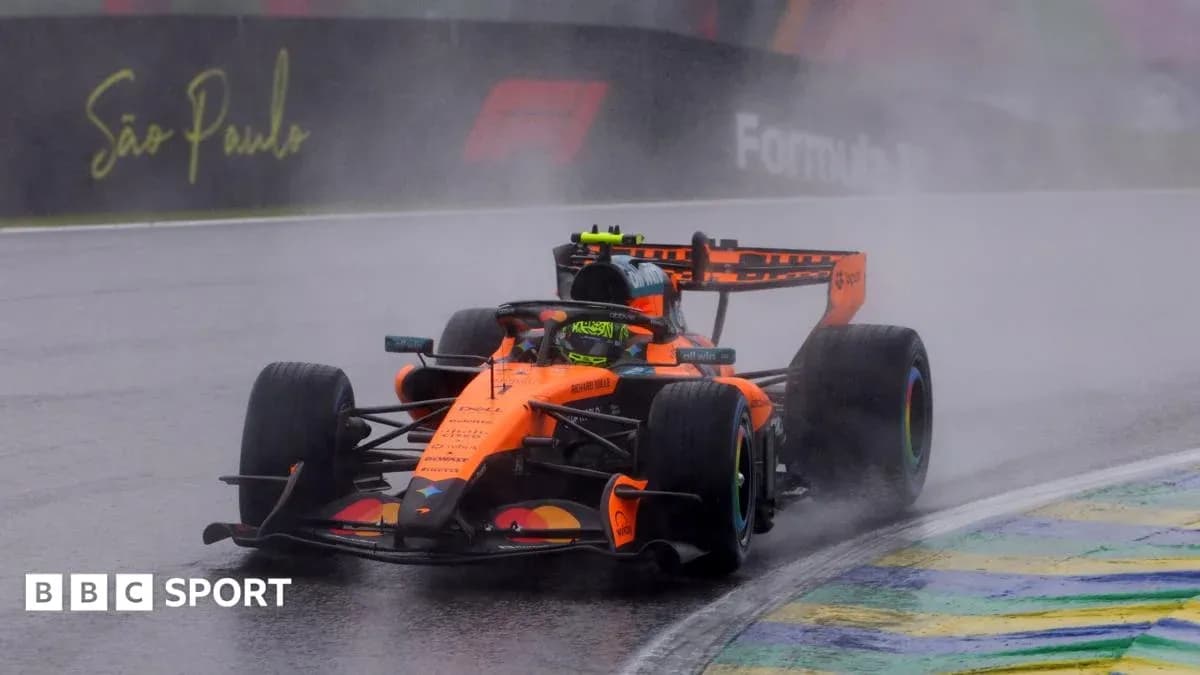
Lando Norris mastered the chaos and the clock in Sao Paulo, snatching pole position in a rain-wrecked qualifying session that turned Interlagos into a lottery – and then into his stage.
What began at 15:00 local time as a standard Saturday run-out quickly dissolved into farce. The cars left the pits, the spray rose, and before anyone could post a time, the red flag flew. Conditions were simply too dangerous. Thunder rolled around the hills, the rain thickened, and for an hour and 26 minutes the grid sat in limbo, drivers strapped in and waiting for a break in the weather and a chance to roll the dice.
When the track finally reopened, the story belonged to the brave and the sharp.
Norris owns the storm
Norris, already a winner and the 2025 world champion, has looked menacing all weekend in an upgraded McLaren that seems to relish Interlagos’ undulations. In the decisive phase of qualifying, he struck early, banking two clean laps before the heavens tightened again.
His best effort left him 0.204 seconds clear of George Russell, a margin that in these treacherous conditions felt far larger. Where others tiptoed, Norris attacked, repeating his pole from Brazil last year and securing his first start from the very front since the Spanish Grand Prix in September.
“It was about getting two laps in at the beginning and not making mistakes and that's what we did,” Norris said, summing up a session that rewarded nerve and precision more than raw speed.
Russell’s frustration and a twist of penalties
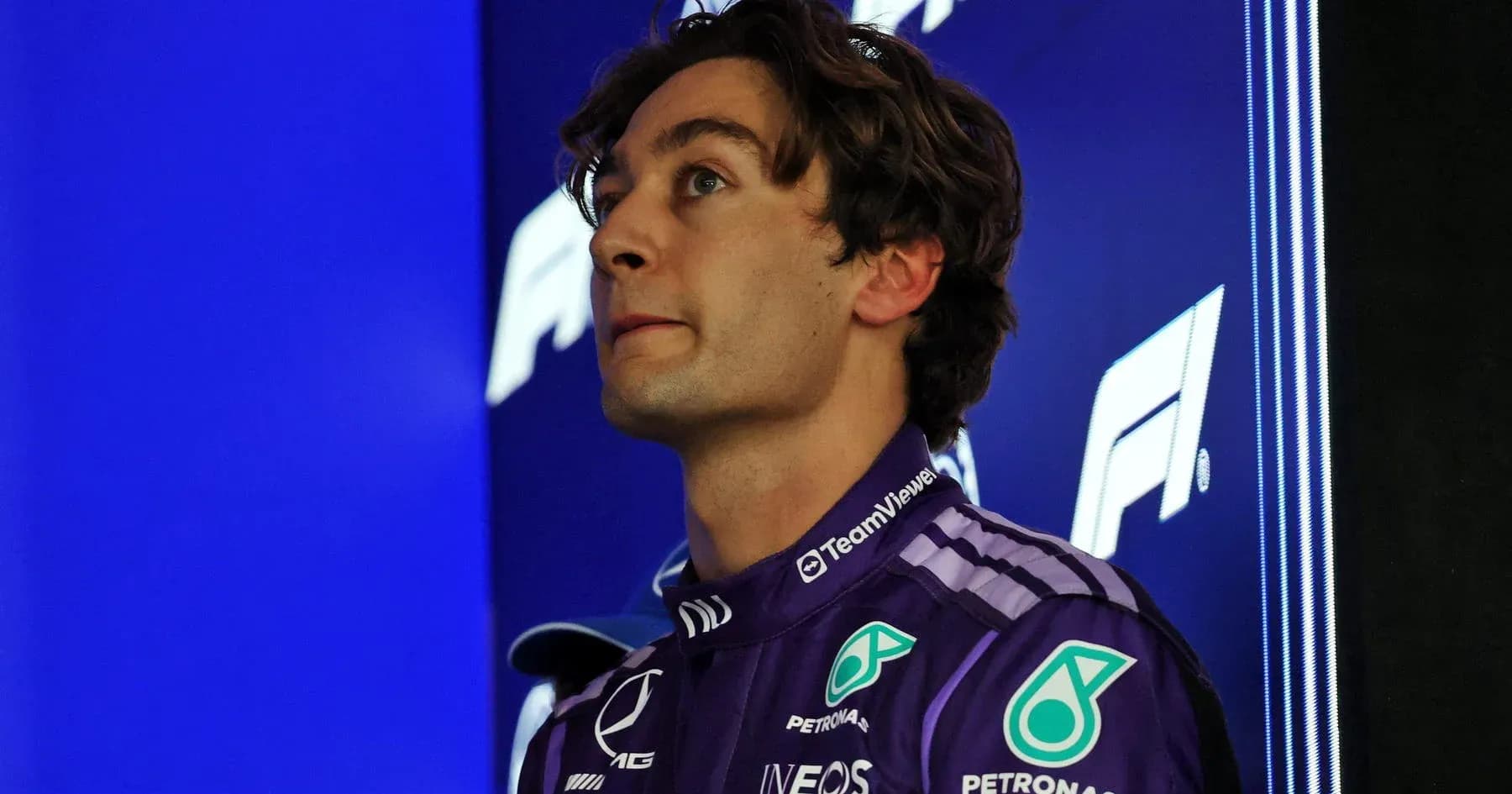
Russell should have been right alongside him on the front row. He knew it. Mercedes knew it. The rain was closing in, but on what he felt was his best lap, his engineer called him in. Abort. Box.
By the time he could have gone again, the track had gone. The opportunity vanished with the grip.
“Congrats to Lando. That was definitely the pole lap,” Russell admitted, before letting the frustration seep through. “The rain was coming and we should have just finished the lap. Felt more confident in the wet than we did in the dry.”
The sting didn’t end there. Russell carries a five-place grid penalty for exceeding his allocation of engine parts, dropping him down the order and promoting his team-mate and newly crowned world champion Kimi Antonelli to the front row. Antonelli, who kept his head in the spray, will start second without having to beat Russell on pure time.
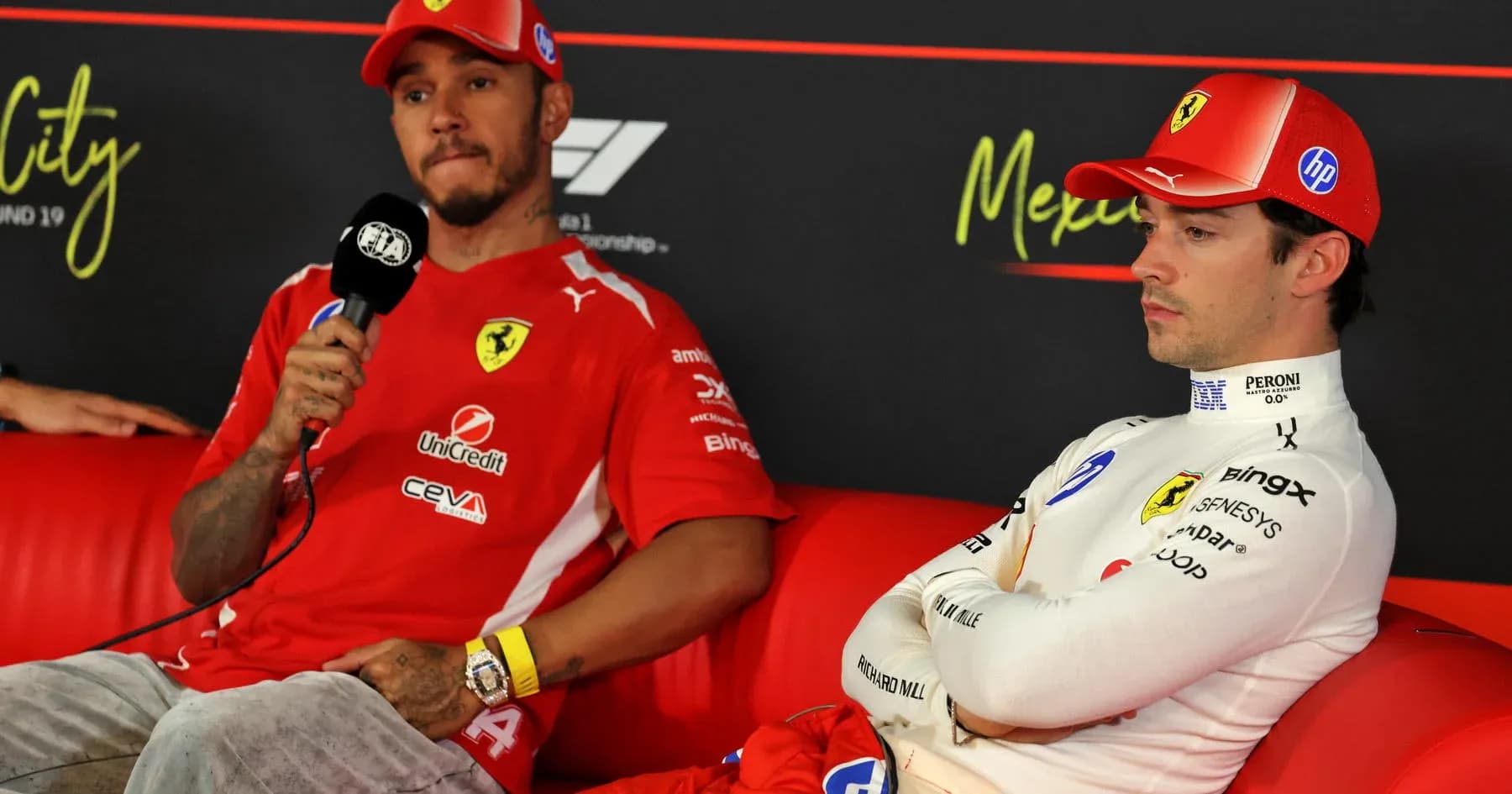
Penalties reshaped the top 10 everywhere you looked. Charles Leclerc qualified fourth on pace but slides 10 places down the grid, which opens the door for Racing Bulls’ Liam Lawson to line up third. The New Zealander produced his best qualifying of the year, one of several midfield drivers who seized the equalising power of the rain.
Midfield heroes in the deluge
Once the water came, reputations blurred and the usual pecking order cracked.
Audi’s Nico Hülkenberg delivered again in tricky conditions, putting his car sixth on the timesheets and inheriting fourth on the grid. Haas rookie Oliver Bearman, who later admitted these were “definitely the wettest conditions” he has ever faced in a car, muscled his way to eighth in qualifying and will launch from sixth.
He wasn’t alone in making the most of the chaos. Fernando Alonso, wrestling an Aston Martin-Honda that has sat near the back of the field all season, suddenly found himself in the fight with the big names. The two-time world champion threaded his car through the rivers of standing water and stayed in touch with the leaders throughout the session. Even then, the lack of power from the Honda engine left him compromised, but ninth on the timing screen becomes eighth on the grid. Right behind him, Williams’ Alex Albon also stepped up, thriving when others hesitated.
McLaren’s Oscar Piastri, caught out in Q2, will still start 10th thanks to the penalty reshuffle, while Brazilian rookie Rafael Camara will have a memorable debut: 11th on the grid at home despite crashing his Haas towards the end of Q2.
Big beasts sent to the back
The rain wasn’t the only disruptor. A wave of engine-related penalties ripped through the field and flipped the normal script.
Max Verstappen, third fastest in the opening segment of qualifying, didn’t even bother with Q2. With a back-of-the-grid start already guaranteed by his own engine penalties, there was no point in risking the car. He parked it and watched.
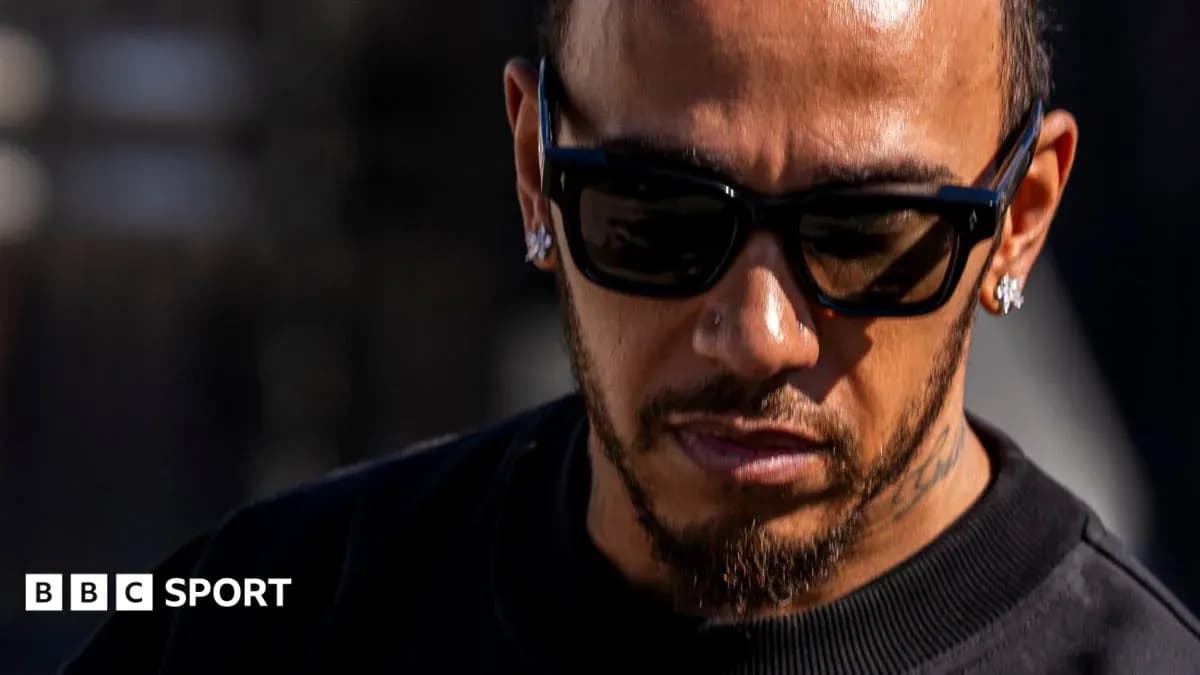
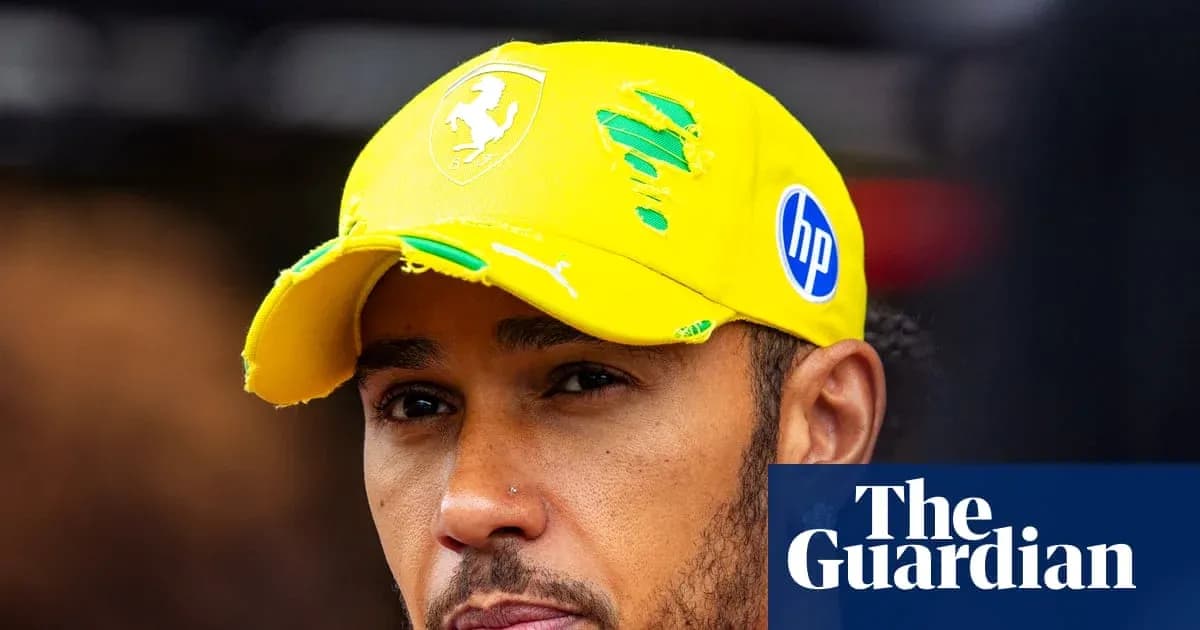
Lewis Hamilton, carrying the same punishment in the Ferrari, took a different route. He ran in Q2, searching for data and rhythm, but could do no better than 11th on pace. It made little difference: he, too, will be buried at the rear when the lights go out.
Their absence from the sharp end cleared the stage for others. The usual giants retreated into the spray; the opportunists stepped forward.
A grid turned upside down
What emerged from the storm was a starting order that barely resembles a standard modern F1 front three: Norris on pole, Antonelli alongside, Lawson in third, Hülkenberg fourth, Bearman sixth, Alonso eighth. Names and teams that have spent much of the year fighting over scraps suddenly find themselves staring at a genuine chance of a headline result.
For Norris, it is more than just another pole. It is a statement at a circuit that rewards rhythm, courage and timing. He judged all three to perfection while others second-guessed the weather and themselves.
The question now is simple and brutal: when the clouds clear on Sunday and the race runs long and dry, can the man who ruled the storm finish the job?