Lando Norris splashed his way from pole to victory in a chaotic, wet‑dry‑wet Sao Paulo Grand Prix, but the bigger story at Interlagos stretched far beyond the chequered flag.
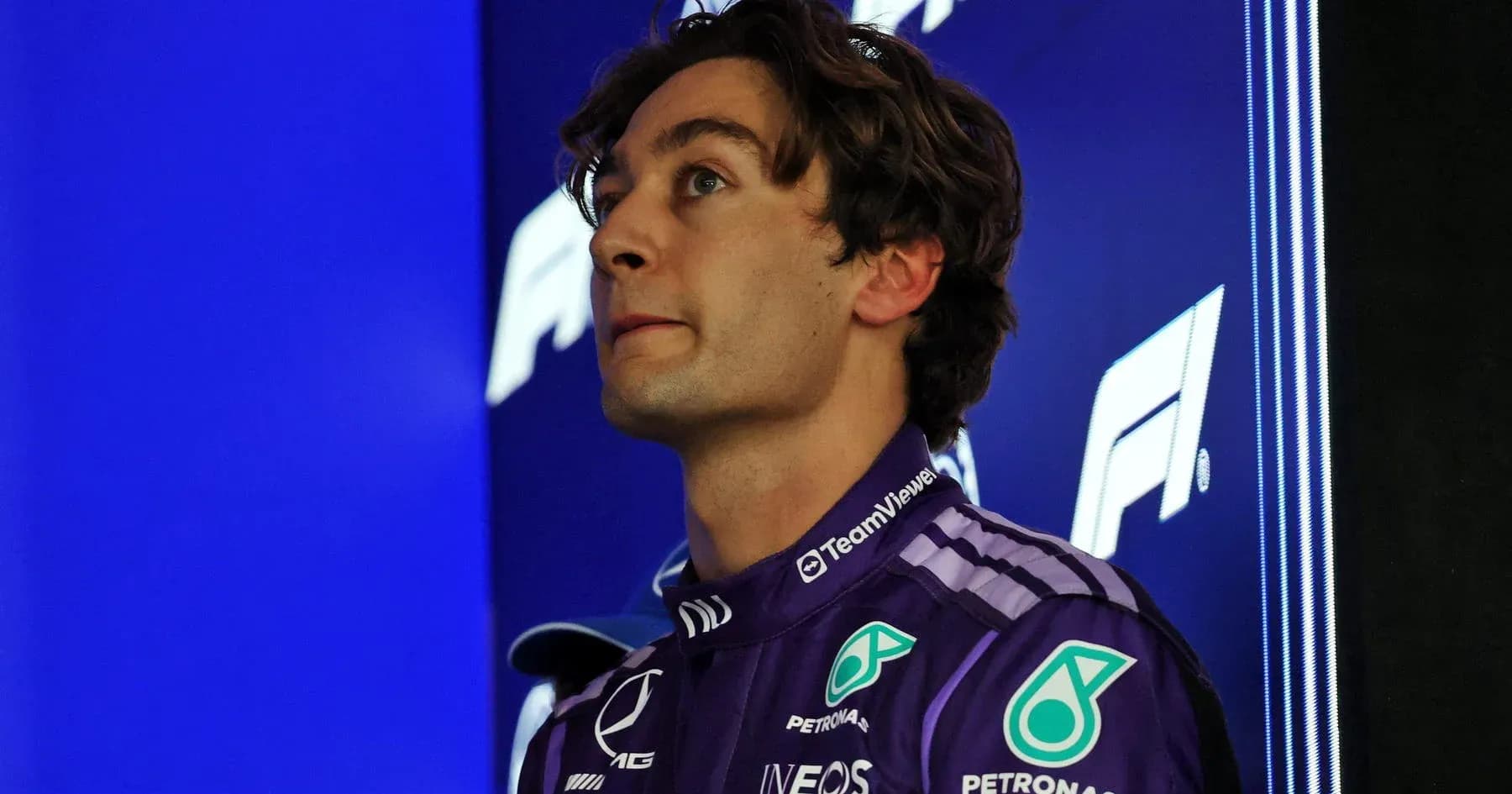
Max Verstappen, exiled to the back of the grid by an engine penalty, carved through the field to second, with Red Bull team‑mate Isack Hadjar joining him on the podium. Behind them, Mercedes quietly banked something far more valuable than silverware: the constructors’ title, their first since 2021, sealed by George Russell in fourth and newly crowned world champion Kimi Antonelli in fifth.
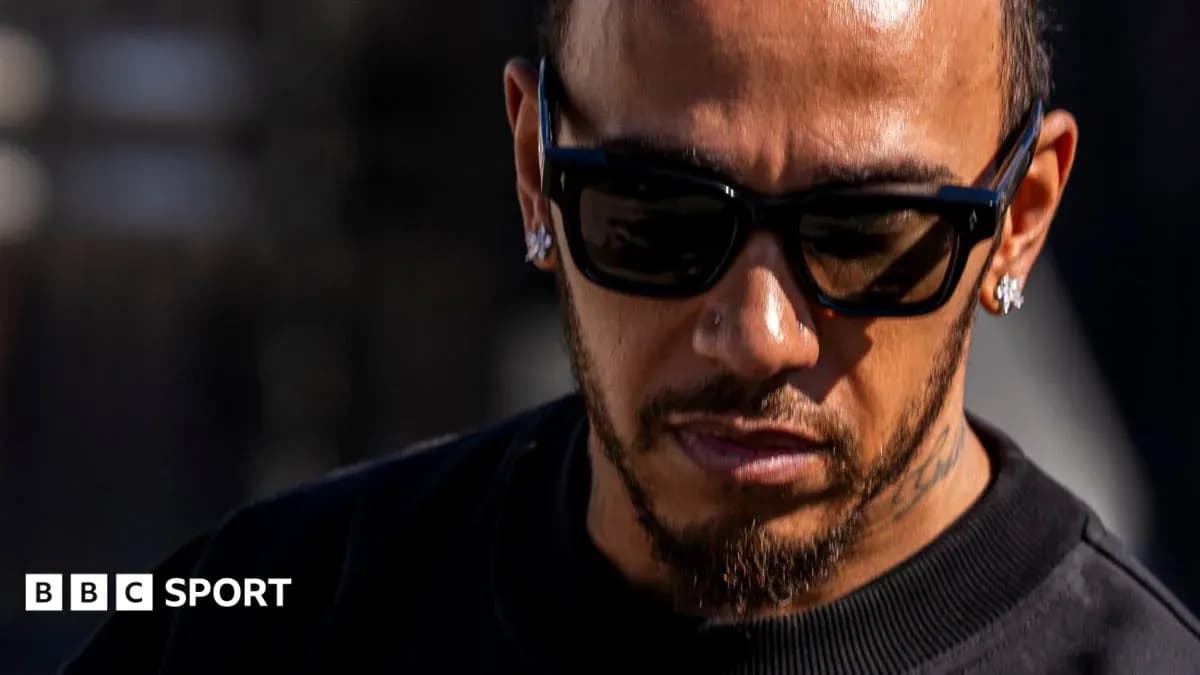
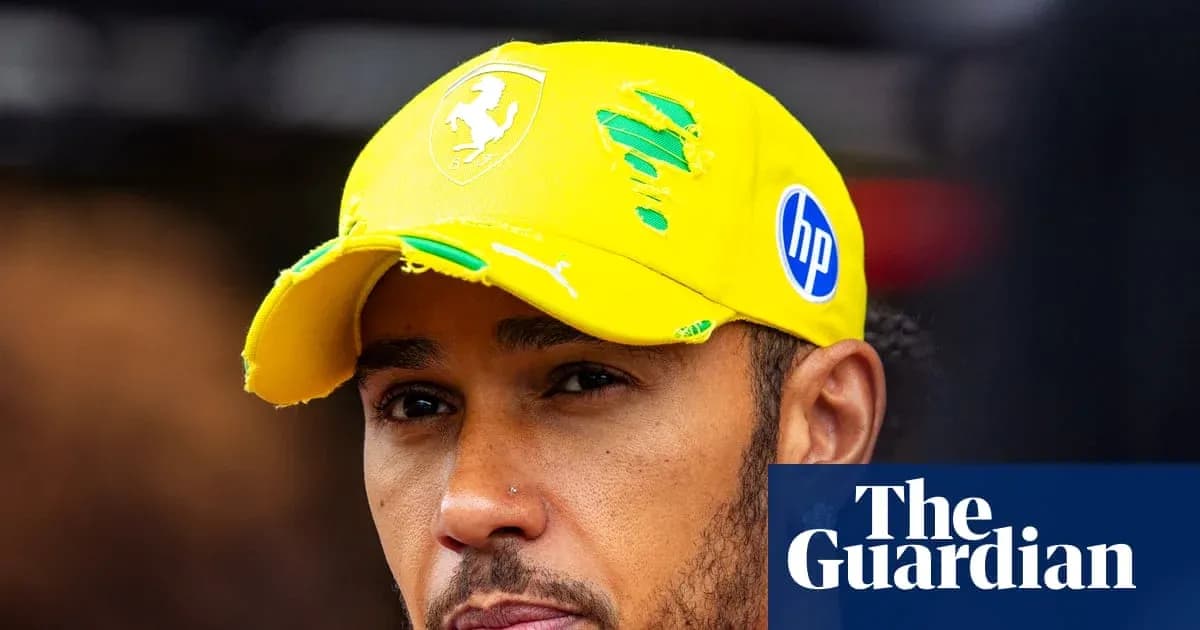
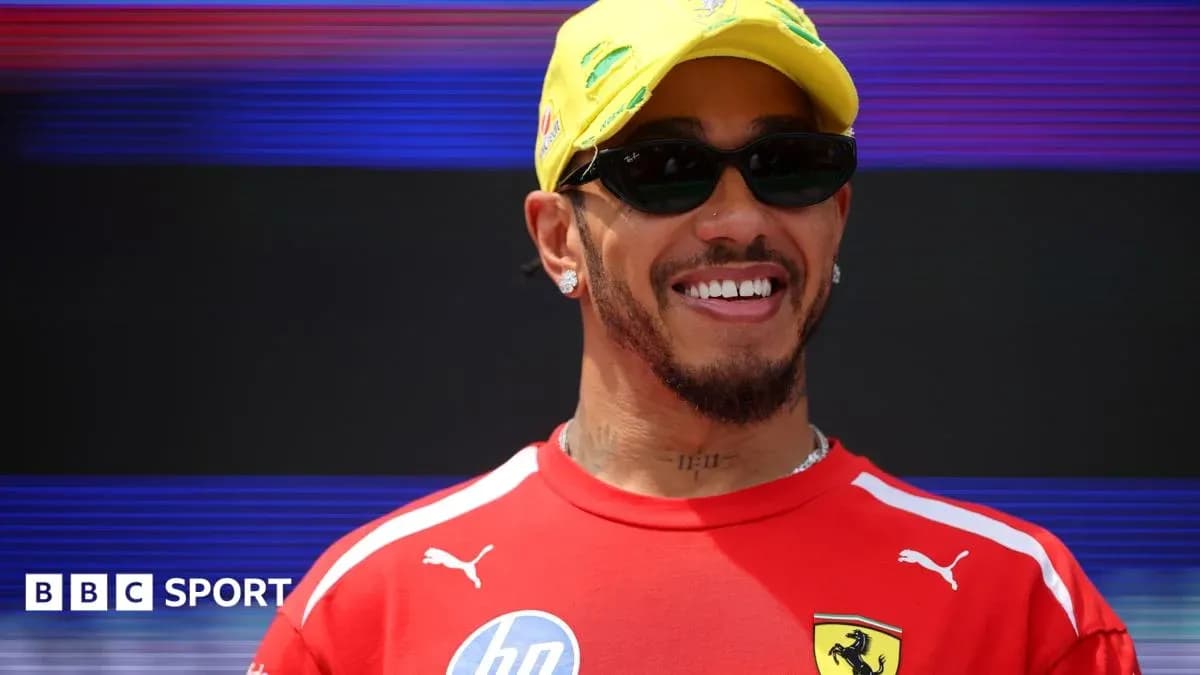
On a weekend dripping with symbolism, Lewis Hamilton’s 400th grand prix sat right at the heart of the conversation.
Hamilton at 400: still one of the greats
Strip it back to numbers and the picture is brutal in its clarity. Hamilton has more race wins than anyone. More pole positions than anyone. Seven world titles, level with Michael Schumacher, and a sizeable chunk of the paddock still convinced Abu Dhabi 2021 should have delivered him an eighth.
But Hamilton’s greatness has never lived solely in the record books. It lives in the days that defined eras: the 2008 British Grand Prix, where he danced on a flooded Silverstone while others spun; the 2021 Brazilian Grand Prix, when he tore through the field from the back in the sprint and then again in the race. Drives that don’t just win trophies, but shape how people talk about the sport.
He’s won races in almost every season he has contested. The outliers — 2022, 2023 and 2025 — sit like blemishes on an otherwise relentless run of success, and they arrived with the dawn of F1’s ‘ground‑effect’ era.
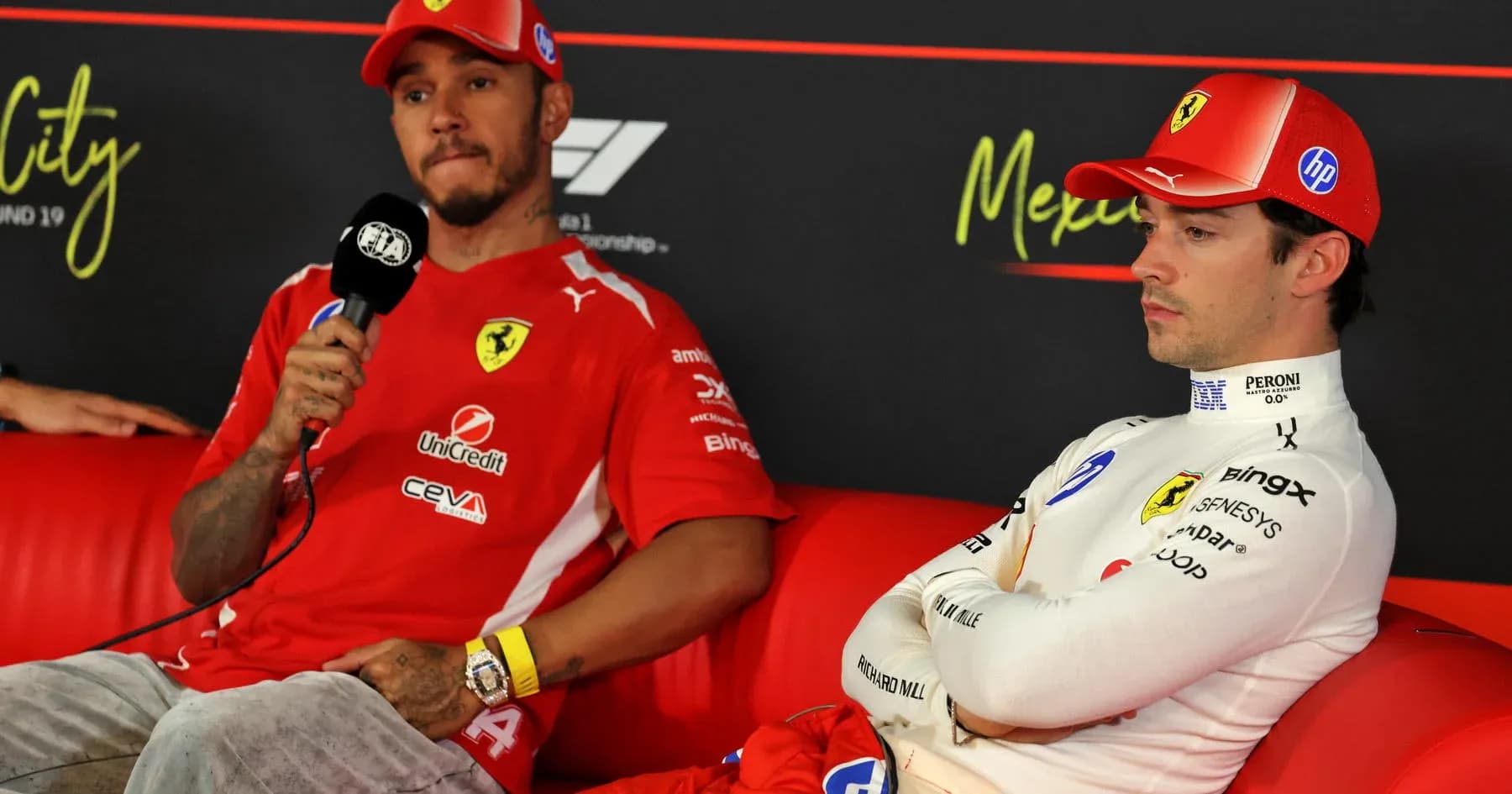
Those four seasons from 2022 to 2025 cut against the image of Hamilton as the ultimate adaptive driver. George Russell beat him in two of their three years together at Mercedes. The move to Ferrari and his struggle against Charles Leclerc in 2025 only turned up the volume on the doubts. Why wasn’t he bending these new cars to his will? Had age finally started to close the gap between what he could see and what his hands and feet could deliver?
He is 41 now. In most sports, that number ends the debate before it starts.
This year has blown that idea apart. With machinery that behaves more like the cars he once dominated with, Hamilton looks like himself again. Aggressive, precise, relentlessly competitive. His fight with Leclerc has reset the narrative; it’s no longer about survival, but about which of them can drag Ferrari higher.
Hamilton hears the questions, and he doesn’t pretend otherwise. He has referenced those difficult years repeatedly, including in Brazil when the subject of race 400 came up.
“I never ever thought that I would be reaching numbers like that,” he said. “It's crazy because I still feel young, and regardless of the things that people say, you saw my pole last week, I still have the pace, I still have the speed and I still have the dedication, which is most important and the focus. For me, that number is kind of irrelevant.”
The comparison sits right there in the paddock. Fernando Alonso is 45 and still delivering at a ferocious level, as he showed again at Interlagos. Age, clearly, is not a simple cut‑off.
Hamilton has made no secret of his ambition to race until F1 returns to Africa. That won’t happen before 2030, when he too will be 45. To get there, he’ll need at least one more contract after his current Ferrari deal, which is believed to expire next year. Whether teams, calendars and performance curves align is another story, but on pure ability, there’s no obvious reason he has to step aside any time soon.
The rise and fall of ‘yo‑yo racing’
Early this season, a new phrase crept into the F1 vocabulary: “yo‑yo racing”.
It described a very modern kind of fight. Two cars locked together for lap after lap, trading places again and again as their energy systems surged and faded. Not a simple DRS pass and gone, but a rolling duel dictated by the brutal arithmetic of battery charge and deployment.
The root of it lies in the new power units. The current engines run with something close to a 50‑50 split between internal combustion and electrical power. They are powerful, but “energy starved” — drivers don’t have unlimited deployment to play with, so how and when they spend it becomes a weapon.
They have two key tools. ‘Boost’ mode lets a driver call up extra electrical energy whenever the battery allows. ‘Overtake’ mode hands a chasing driver within one second of the car ahead an extra 0.5MJ of energy recovery and deployment each lap.
At the start of the year, with teams still learning the limits, it produced some wild exchanges. One driver would spend heavily to attack, surge past, and then find himself short on energy. The car he’d just overtaken would now have more to play with, hit back, and the cycle would repeat. Spectacular to watch. Maddening to manage.
That pattern has faded as the season has gone on.
Part of the reason is geographical. Recent tracks have been less “energy‑starved” — circuits where drivers can’t run full deployment all the time are the ones that exaggerate those peaks and troughs and, with them, the yo‑yo effect.
The other factor is experience. Teams and drivers now understand these power units far better. They know how to attack without leaving themselves exposed, how to time their boosts, how to avoid being a sitting duck one lap after a heroic move.
Regulators have nudged the system as well. Rule tweaks have imposed energy limits at the most problematic circuits, smoothing out the extremes in availability and toning down the most dramatic swings.
And this is only the start of the shift. By 2028, the energy split is scheduled to move to 60‑40 in favour of the internal combustion engine in two steps, making the units feel more “normal” to drive and less like a constant balancing act on the edge of depletion.
That will almost certainly trim the raw number of overtakes. Drivers will be happier, the cars more predictable. Whether fans will miss those manic, seesawing battles is a question that will hang over the next phase of engine development.
Why a driver like Ocon stays on the F1 hook
Esteban Ocon’s situation offers a different kind of lesson about the sport’s ecosystem.
Once it became clear Haas would not keep him for next year and the remaining race seats dried up, the Frenchman made one thing clear: his F1 story is not finished.
On paper, he has options. Drivers of his calibre can move to IndyCar, Formula E, endurance racing. They can win races, lift trophies, become centrepieces of new projects. They can be heroes somewhere else.
Yet the reserve‑driver route still holds a powerful pull.
Staying on as a reserve — if he can secure such a role — keeps Ocon embedded in the paddock. It puts him first in line if illness or injury sidelines a race driver. It keeps him in the simulator, learning the nuances of the latest cars, and perhaps gives him the occasional outing in recent machinery.
Most importantly, it keeps him visible.
Step away to another series and the perception shifts quickly. Out of sight, out of mind. The narrative hardens: your F1 window has closed, your peak has passed. Come back from that and you’re no longer a current driver who missed out; you’re a returnee, a gamble.
For someone adamant his F1 career still has chapters to write, staying close to the action, even without a race seat, is the most logical way to keep that door open.
Lawson, Lindblad, Tsolov – and a very un‑Red Bull dilemma
The future at Racing Bulls sits in the hands of some new power brokers.
Red Bull shareholders Chalerm Yoovidhya and Mark Mateschitz, along with the company’s overall F1 boss Oliver Mintzlaff, will decide which two of three drivers get the nod for 2027: Liam Lawson, his current team‑mate Arvid Lindblad, and F2 frontrunner Nikola Tsolov.
Lawson has already impressed at the sharp end. Under the old Red Bull regime, shaped by Helmut Marko and Christian Horner, that might not have saved him. Traditionally, once a young driver had their shot at the senior team and slipped back down the ladder, the programme moved on quickly. In that world, Lawson would be cast aside to make room for the next prospect — in this case, Tsolov.
There is another school of thought.
Pairing two unproven talents and telling them to sort it out on track sounds exciting, but it leaves Red Bull guessing what they are actually measuring. Are they watching a future star emerge, or simply the quicker of two drivers who are both short of the required level?
Keep Lawson alongside Lindblad, though, and the picture sharpens. Lawson becomes the benchmark, the known quantity. Lindblad’s performance can be judged against something solid. At the end of 2027, the least convincing of the trio — Lawson, Lindblad or the waiting Tsolov — can be moved aside with a much clearer sense of what’s being lost.
Racing Bulls team boss Alan Permane made that case in Brazil, if not quite in those blunt terms.
“Red Bull's had a very successful young driver programme,” he said. “And I don't want to be critical of it, but I think if you guys are critical of it, maybe sometimes the drivers haven't been able to have enough time to settle, or maybe some snap decisions have been made.
“We’re trying to apply a little bit of science, and that takes some time.
“So we are looking at everything and studying, analysing, and time is on our side. We're not in a rush to do anything, and I'm very confident the right decision will be made.
“I realise it's frustrating for our drivers. I realise it's frustrating for everyone else, but we want to get it right, and we will get it right.”
For once, Red Bull’s young‑driver machine is choosing patience over the guillotine. Lawson’s future may depend on how long that mood lasts.
Interlagos, classics and the calendar squeeze
Interlagos delivered again. It almost always does.
The circuit’s tight, undulating layout, unpredictable weather and amphitheatre atmosphere combine to produce the kind of racing F1 executives dream of. It also raises a thorny question: how does the sport protect venues like this while chasing global expansion and bigger fees?
The calendar has to do many jobs at once. It must look and feel like a world championship, stretching across continents. It has to serve up compelling racing and a mix of circuit types. It also has to pay for itself — and then some.
That last point is where the tension bites.
Classic circuits often sit in countries unwilling or unable to pay the premium hosting fees. Autocratic states keen to use F1 as a showcase can simply write bigger cheques. The economic model does not treat Monaco and a brand‑new street race in a petro‑state the same way.
Yet the sport knows the value of its heritage. Tracks such as Monaco, Silverstone, Spa and Suzuka carry a weight no amount of neon or fireworks can replicate. Deals are structured, compromises found, to keep them on the calendar, even if Spa no longer appears every season.
At the same time, F1 throws serious effort at making new venues worth watching. Some attempts fall flat. Others, like Las Vegas, succeed in different ways. The layout there will never rival Suzuka for driving purity — it’s a collection of city streets, not a sculpted ribbon of asphalt — but it trades on spectacle, scale and the sheer audacity of racing through one of the world’s most famous skylines.
Looking ahead, there is at least intent to blend new with old in the right way. Former F1 driver Alex Wurz, tasked with designing upcoming circuits in Qiddiyah, Saudi Arabia, and Rwanda, has worked to build tracks that challenge drivers and encourage racing, not just tick boxes for government backers.
Interlagos, meanwhile, keeps doing what it has always done: exposing the brave, punishing the careless, and reminding everyone what this sport looks like at full noise.
As the calendar swells and the money flows, the real test for F1 will be simple: can it keep places like this at the heart of the story, or will they one day be reduced to highlight reels from a past the sport can no longer afford?