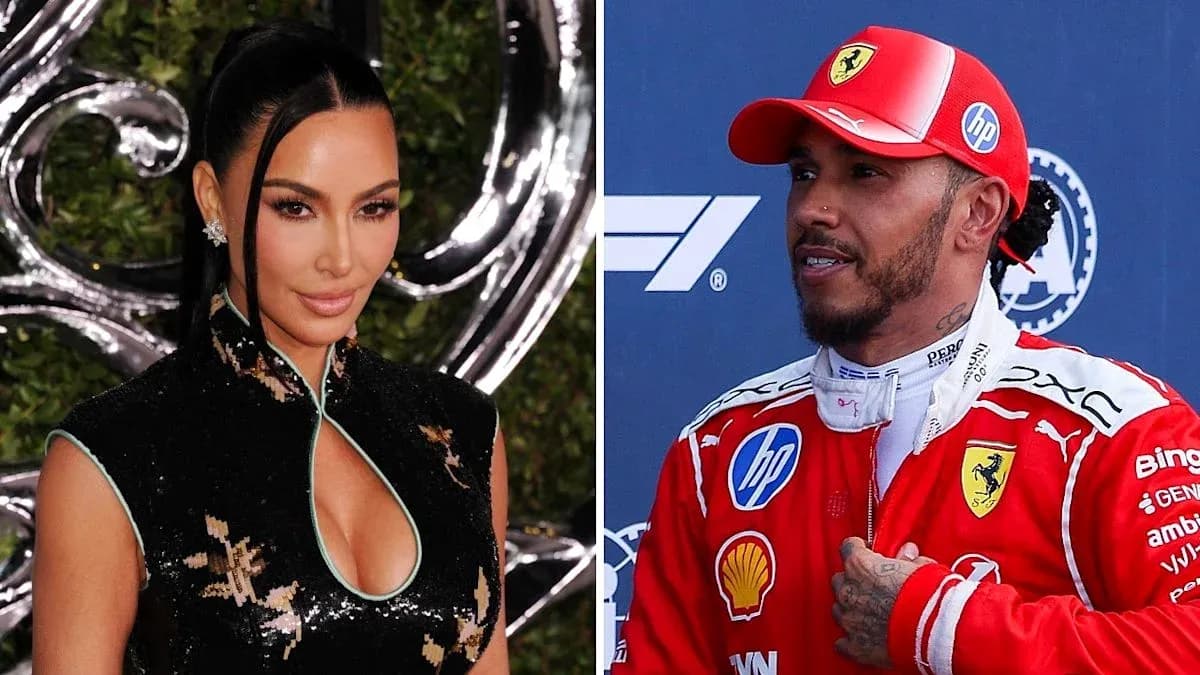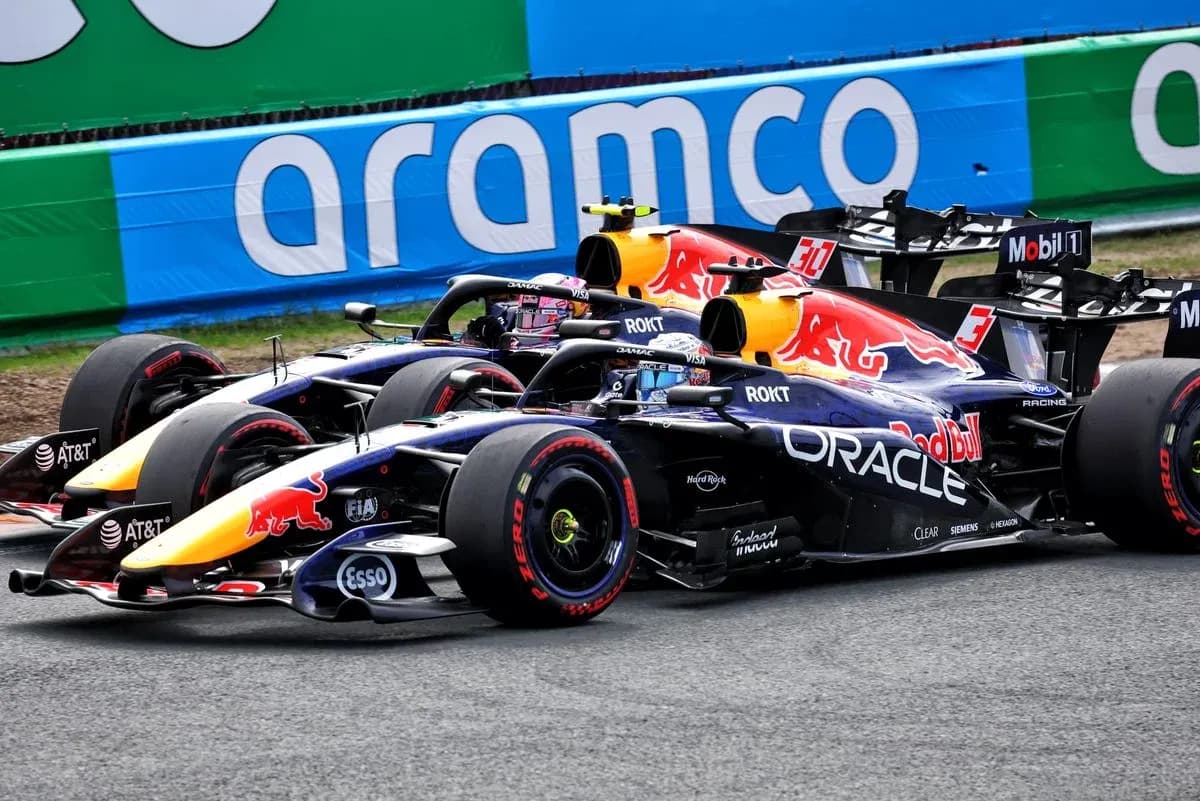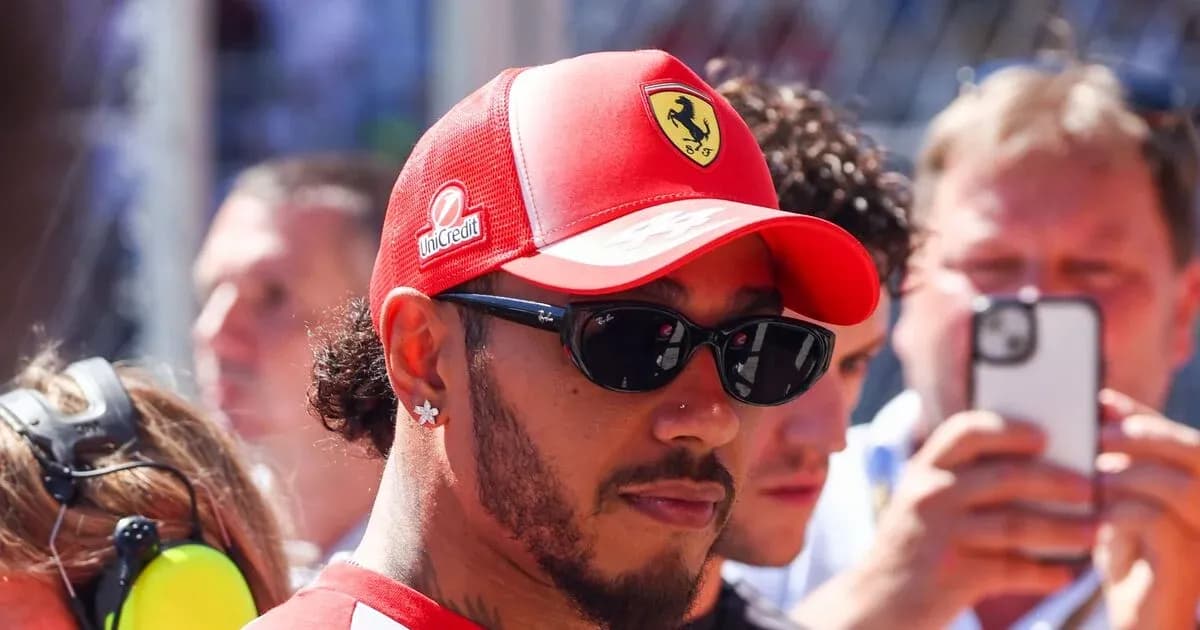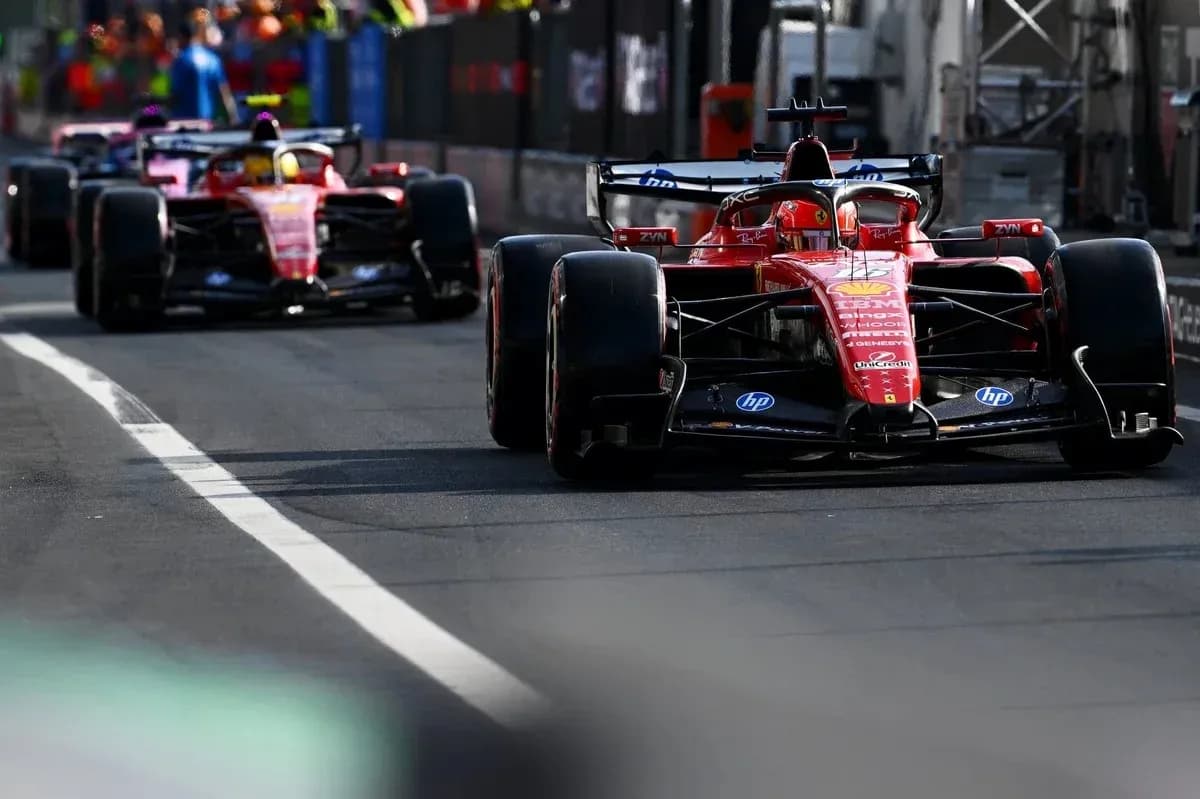
At Monza, nothing that Charles Leclerc or Lewis Hamilton did was unprecedented in Formula 1. Not on track. Not in the paddock. Teammates have been clashing for as long as there have been garages with two cars and one clear benchmark.
Yet this one feels different. Not because of the ferocity of the fight – history offers far more poisonous examples – but because the usual logic behind such tension is missing. The pieces don’t quite fit.
A rivalry without a title
The great civil wars of F1 all had a simple, brutal clarity.
- Ayrton Senna vs Alain Prost.
- Nigel Mansell vs Nelson Piquet.
- Mark Webber vs Sebastian Vettel.
- Nico Rosberg vs Hamilton.
In each case, the car was a weapon good enough to win the world championship. The man on the other side of the garage was the biggest obstacle to glory. Beat him, and the title was within reach. Lose, and the season – and sometimes a career – tilted the wrong way.
Look at the last big one: Hamilton and Rosberg at Mercedes. In 2013, Hamilton’s first year with the team, the W04 was quick but not dominant. Hamilton took one win, Rosberg two. The car wasn’t a title machine, and the relationship between the pair stayed warm. They were teammates, friends, even neighbours in Monaco, sharing evenings over pizza.
Then came 2014, the first year of Mercedes’ hybrid-era dominance. Overnight, every grand prix became a private duel for the world championship. The tone changed. So did the stakes. So did the friendship.
With Leclerc and Hamilton at Ferrari, that clear motive is missing.
Ferrari can talk up its ambitions as much as it likes – and it has to, to keep spirits high in Maranello and on the pit wall – but the numbers tell a harsher story. This is not a team currently fighting for a world title. The season’s form makes that plain. Whatever is happening between the two red cars, it is not Senna-Prost with a championship on the line.
No contracts to win, no crumbs to fight over
Strip away the usual triggers and the picture becomes even stranger.
There is no looming contract battle. No seat to secure. No obvious status war over who gets the next deal or the better future. Both Leclerc and Hamilton have their plans set through 2027. Both enjoy the kind of salary that makes the joke doing the rounds in the Monza paddock – about “two guys fighting over crumbs” – sound crass and wide of the mark.
They are not scrapping for survival. They are not auditioning for a top team. They are the top team’s drivers.
And that matters. Ferrari pays both men to deliver for Ferrari. These are not rookies clawing for attention or midfield hopefuls desperate to justify their place. They are established, elite drivers, and from them you expect an instinct to protect the team first, especially in a season when a title push is a fantasy rather than a plan.
Shifting ground inside the garage
The human element, though, is impossible to ignore.
Hamilton spent the whole of 2025 – in red at last – swallowing frustration as Leclerc repeatedly had the edge. The seven-time world champion could not match his teammate’s consistency or speed often enough. For a driver of his stature, that bites. Now, with his form rediscovered, Hamilton is back at the sharp end and leading Leclerc in the standings. He is proving points again, to the outside world and to the man across the garage.
Leclerc, on the other hand, saw his internal stock soar last year. He had outperformed Hamilton over the season, reinforcing his image as Ferrari’s long-term spearhead. Twelve months later, the dynamic has shifted. The hierarchy, at least on paper, has blurred. The championship table does not lie.
That kind of swing leaves marks. Pride, ego, self-belief – the fuel of every elite driver – all get stirred. The urge to reassert yourself against your teammate is natural. It is often healthy.
But it usually burns hottest in the midfield. There, one podium can define a year, a handful of points can save or sink a career, and beating the driver in the other car can mean the difference between staying in Formula 1 or drifting out of it. That is where “beat your teammate at any cost” becomes a survival strategy.
Leclerc and Hamilton are not in that world. Their futures are secure. Their reputations are built. Which is why the sharp edges of this rivalry feel so out of place in a season where Ferrari is not fighting for the sport’s biggest prize.
Vasseur’s problem – and opportunity
Now the responsibility lands squarely on Frédéric Vasseur’s desk.
Ferrari’s team principal already tried to get ahead of the issue. He met both drivers in his office at Monza before the race, an early attempt at clearing the air and setting boundaries. The events on and around Sunday suggest that conversation did not settle everything. A second meeting looks inevitable.
The principle he has to impose is brutally simple: the team comes first. Not the points table between the two drivers. Not pride. Not old scores from previous seasons. Ferrari’s interests must override individual ambition, especially in a year when the prize at stake is not a world championship but respectability, momentum, and preparation for the next real shot at the title.
A strong internal rivalry can be a weapon. It can drag a team forward, push engineers harder, and squeeze extra tenths out of both cars. The history of the sport is full of examples where tension inside the garage coincided with relentless success on track.
But when the rivalry stops serving the team and starts undermining it, the equation changes. Then it is no longer an asset. It is just another problem.
And Ferrari, chasing a way back to the very top, already has enough of those.