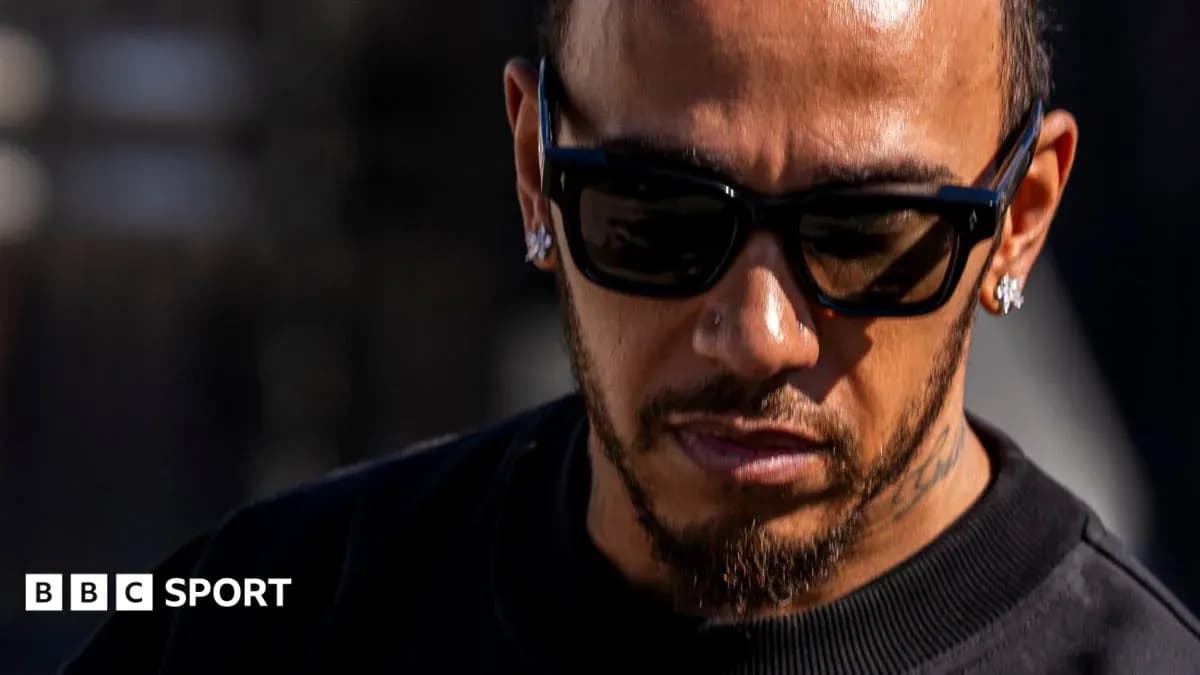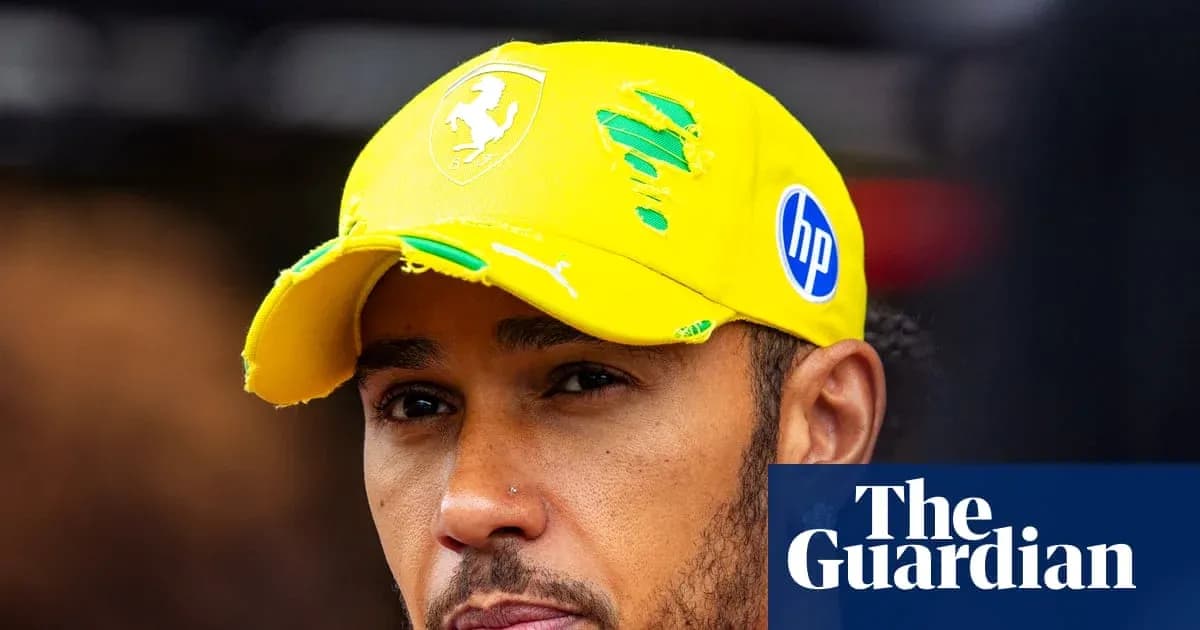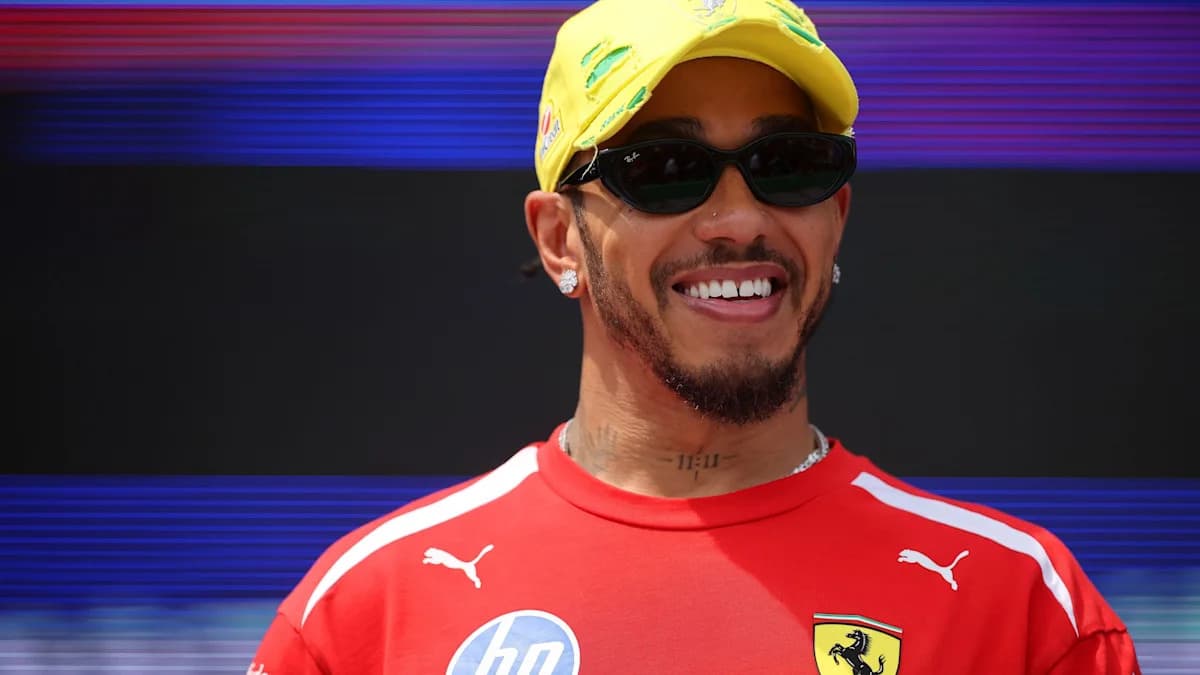
Lewis Hamilton recently marked his 400th Formula 1 Grand Prix start, boasting over 100 pole positions. While some drivers hold better pole percentages, Hamilton is undeniably among the sport’s all-time greats.
He holds records for the most race wins and pole positions and shares the record for seven world championships with Michael Schumacher. Many believe he should have eight titles, especially considering the disputed end to the 2021 season. Beyond numbers, Hamilton’s career is highlighted by spectacular drives such as the 2008 British GP and the 2021 Brazilian GP that will be remembered forever.
Hamilton has won races in almost every season except 2022, 2023, and 2025. During these years, when ground-effect cars dominated, he struggled comparatively. His Mercedes teammate George Russell outperformed him in two of their three seasons together, and Charles Leclerc had the upper hand in 2025. This decline sparked debate about Hamilton's adaptability, previously one of his trademarks, and whether age at 41 contributed to this dip.
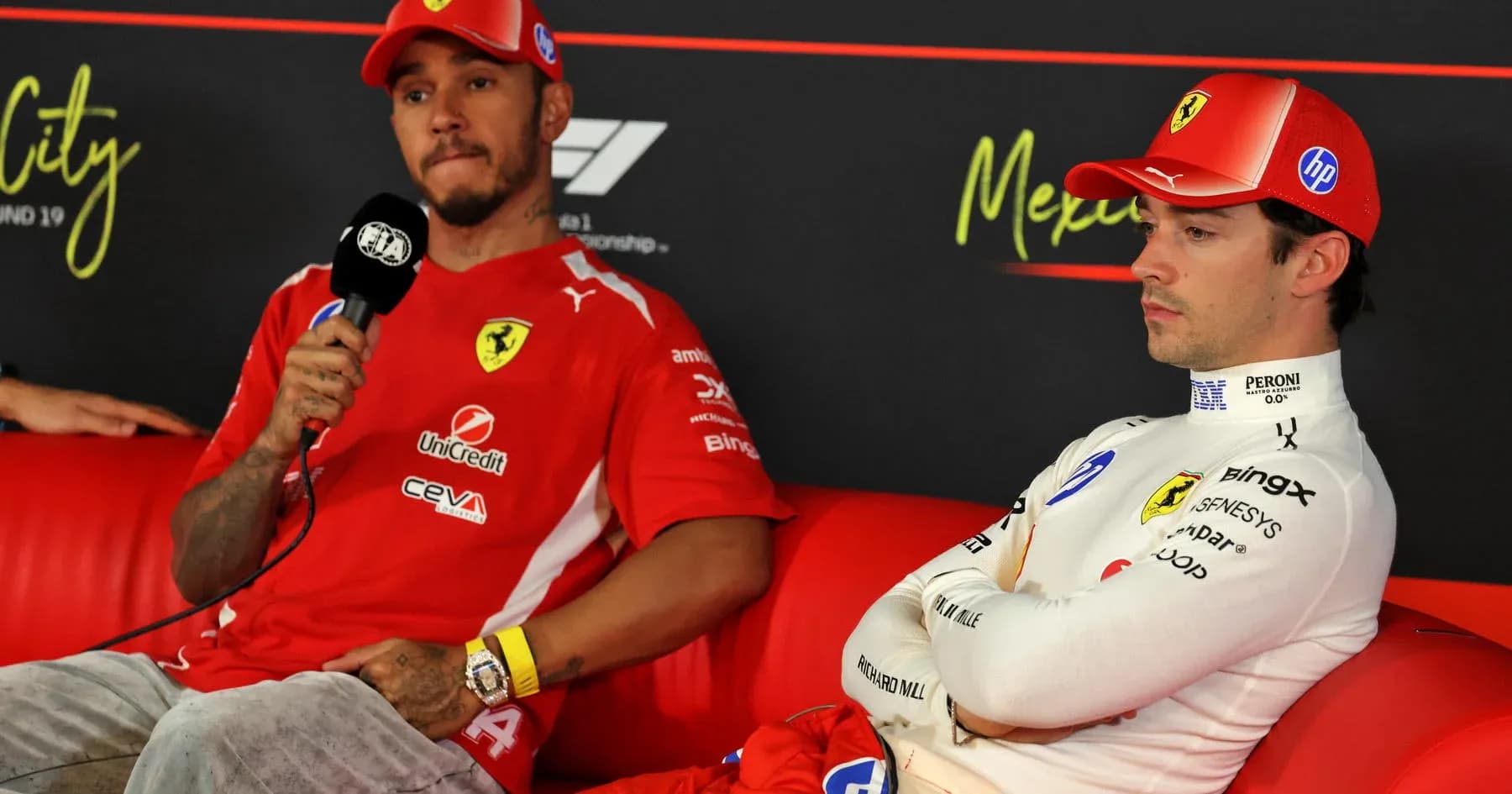
This year, with cars more familiar to his style, Hamilton has bounced back strongly and is now closely matched with Leclerc again. Though the questions about those challenging years linger, Hamilton himself acknowledges them and maintains a confident outlook. Speaking after his 400th race, he said, "I never ever thought that I would be reaching numbers like that. It’s crazy because I still feel young, and regardless of what people say, you saw my pole last week—I still have the pace, speed, dedication, and focus. That number is kind of irrelevant for me."
Age alone doesn't limit longevity in F1; Fernando Alonso, aged 45, remains competitive. Hamilton aims to race at least until F1 returns to Africa, possibly in 2030 when he’ll also be 45. For that to happen, he'll need a new contract beyond his current deal, which reportedly ends next year.
Why Yo-Yo Racing Has Decreased This Season
Early this season, fans noticed "yo-yo racing," where cars repeatedly swapped positions over several laps. This arose due to new power units that split power nearly evenly between internal combustion engines and electric systems, leading to limited energy availability.
Two key modes affected this dynamic:
- Boost Mode: Drivers could demand extra electric energy anytime if battery charge allowed.
- Overtake Mode: A driver within one second of a car ahead got an extra 0.5MJ of energy recovery and deployment per lap.
Initially, this resulted in battles where drivers would overtake using bursts of energy, only to be overtaken back shortly after. Recently, this pattern has lessened for two reasons:
- Recent tracks are less demanding on energy, reducing starvation effects that fuel yo-yo battles.
- Teams and drivers have grown adept at managing the new power units, reducing vulnerabilities.
Additionally, rule tweaks have capped energy usage on certain tracks, smoothing energy fluctuations. Looking ahead, the energy split will shift to 60-40 by 2028, likely decreasing overtaking frequency but improving car drivability. Whether fans see this as better or worse racing is yet to be seen.
Why Esteban Ocon Chooses to Stay as an F1 Reserve Driver
When it became clear that Esteban Ocon wouldn’t keep his Haas seat next year and race opportunities dwindled, he insisted his F1 journey was not over. Staying active as a reserve driver helps him remain connected to the sport, ready to step in if needed, and keeps him familiar with current cars through simulators and occasional drives.
Switching to other series like IndyCar or endurance racing risks fading from the F1 spotlight. Remaining in F1, even without a main seat, helps preserve his reputation and chances for future race roles.
Racing Bulls’ 2027 Driver Decision Delay Explained
Despite Liam Lawson’s strong performances this year, his spot for 2027 remains undecided. The choice rests with Red Bull shareholders Chalerm Yoovidhya, Mark Mateschitz, and team head Oliver Mintzlaff.
Lawson competes with teammate Arvid Lindblad and Formula 2 standout Nikola Tsolov for two seats. Previously, Red Bull might have dropped Lawson quickly to promote fresh talent. Now, the plan appears to be keeping both Lawson and Lindblad next year to better evaluate Lindblad against a proven driver, postponing final decisions until after 2027.
Racing Bulls boss Alan Permane explained at Brazil that their approach is more measured, allowing time for thorough assessment rather than rushing decisions. He said, "We want to get it right, and we will get it right. I realize it’s frustrating for our drivers and everyone else, but time is on our side."
Preserving Classic Circuits Amidst F1’s Global Growth
F1 balances many goals: a global championship, exciting racing, diverse circuits, and financial success. Classic tracks often sit in countries unable or unwilling to pay high hosting fees. Meanwhile, autocratic nations may afford higher fees for self-promotion, challenging F1’s calendar choices.
Still, F1 strives to keep iconic venues like Monaco, Silverstone, Spa, and Suzuka, even if not all appear every year. Efforts are also made to design new tracks that offer good racing. Las Vegas, though lacking driving complexity as a street circuit, compensates with spectacle and prestige.
Upcoming permanent circuits like Qiddiyah in Saudi Arabia and Rwanda are designed by former F1 driver Alex Wurz to be challenging and encourage exciting races.