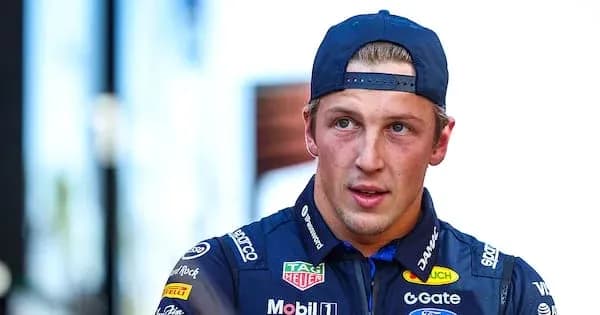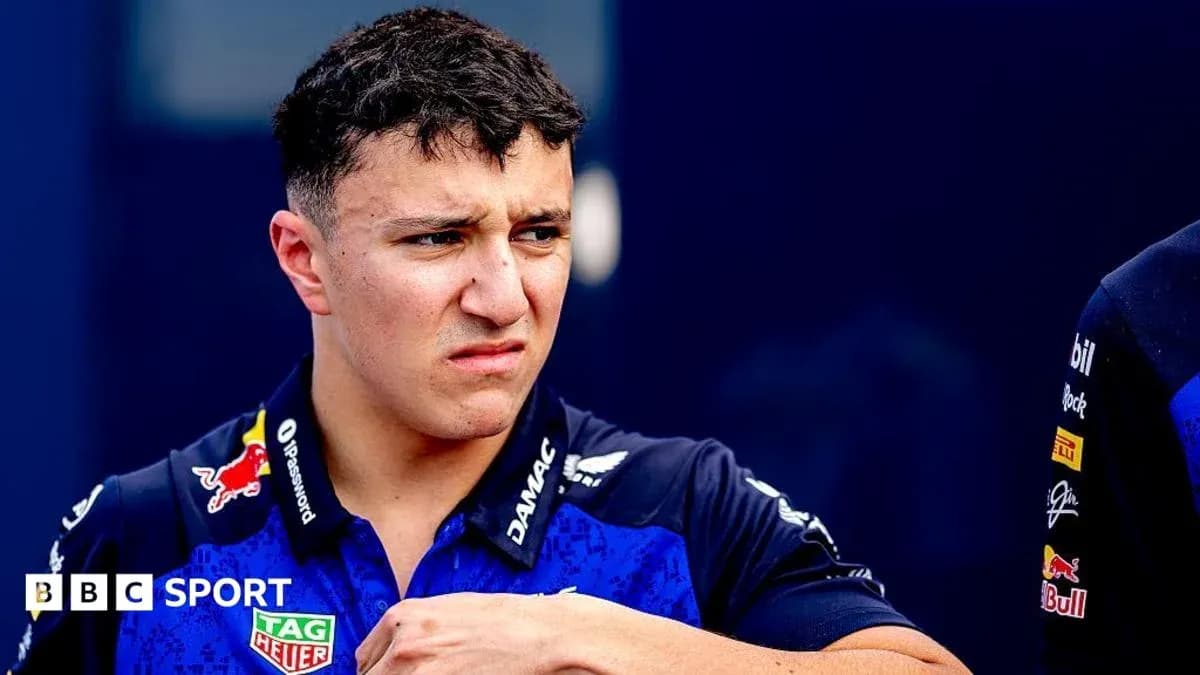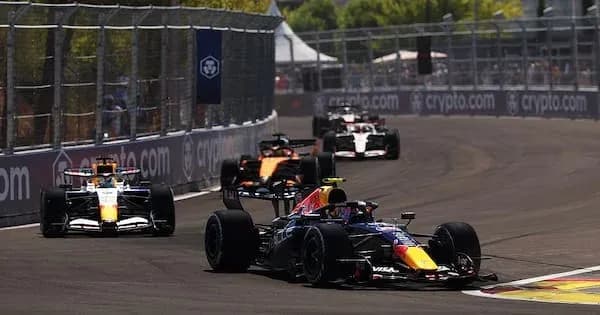
Liam Lawson left Madrid with the best result of his Red Bull career and the feeling there was still more on the table.
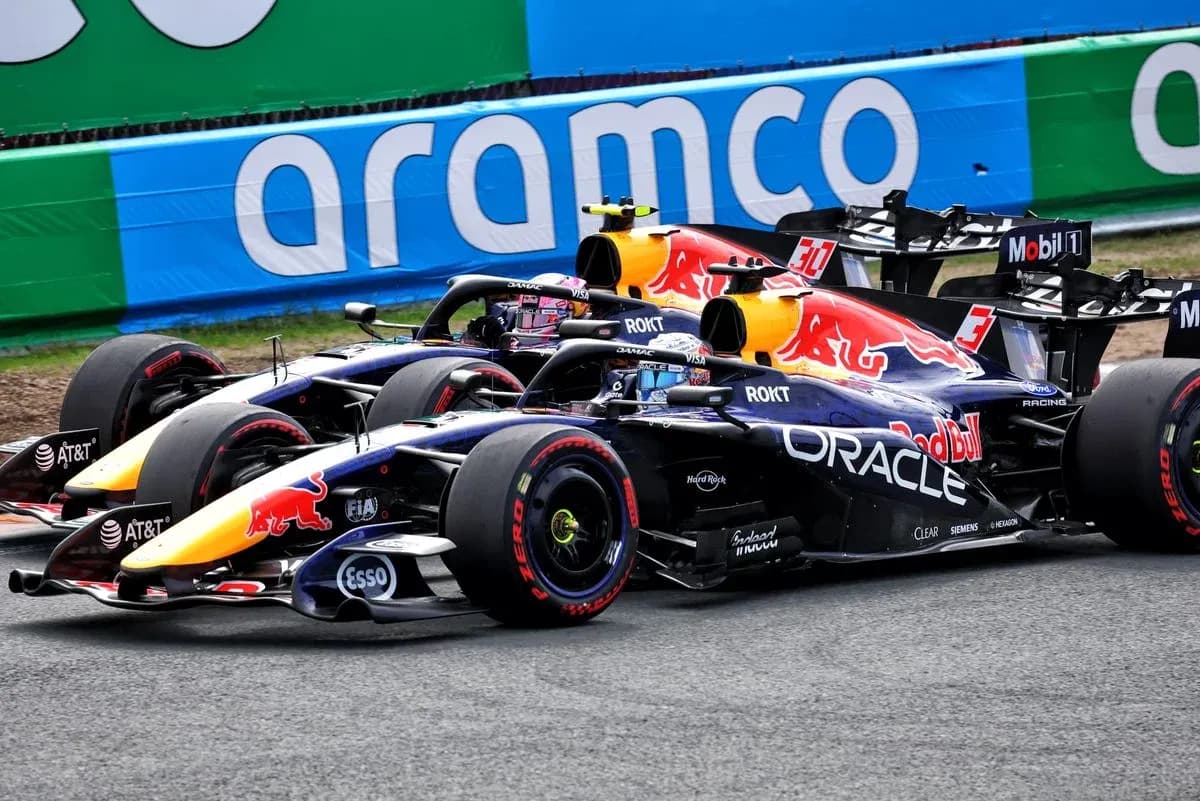
The 24-year-old Kiwi turned eighth on the grid into sixth at the new Madring circuit, matching his result from the British Grand Prix earlier in the year but, crucially, delivering his highest finish in Red Bull colours.
From the cockpit, it felt like hard labour.
“From where we started, it was an okay race,” Lawson said. “It was just super hard to overtake. We went for an alternate strategy on the hard [tire], but I think the VSC (virtual safety car) didn't help. I was honestly on my own a little bit. I think it would've been nice to qualify higher, but from where we started it was an okay race.”
Sixth brought eight points and nudged him to 59 for the season, ninth in the World Drivers’ Championship, 12 adrift of Isack Hadjar on 71. On a day when track position was king and chances to pass were scarce, it was the kind of tidy, low-drama drive title-contending teams quietly value.
Antonelli pounces as Norris suffers brutal luck
Kimi Antonelli claimed the Spanish Grand Prix with a mix of sharp execution and sheer good fortune, extending his grip on the championship and tightening Mercedes’ hold on the season.
The Italian, fresh from a stirring comeback win at Monza, made it back-to-back victories, capitalising on a virtual safety car that wrecked Lando Norris’ race and turned the afternoon on its head.
“Lucky for the virtual safety car, feel a bit bad for Lando,” Antonelli admitted over the radio. “Really strong race, strong weekend, let’s keep pushing.”
He started second and went wheel-to-wheel with Norris into Turn 1, briefly slipping ahead after cutting the corner to avoid contact, only to hand the place back. The new Madring layout offered precious few passing zones, so the start and the pit windows loomed large.
The decisive moment came on Lap 15.
Lance Stroll’s Aston Martin stopped with a brake problem, triggering a virtual safety car. Norris had already flashed past the pit entry. Antonelli hadn’t. Mercedes called him in, and the Italian dived for the lane, bolting on fresh tyres and rejoining ahead of the McLaren.
Norris, stranded on the wrong side of the timing, could only watch the race tilt away from him. He pitted a lap later, after the VSC had ended, losing a chunk of time. A slow stop caused by a right-front wheel issue made the damage worse and dumped him back to fifth.
“It’s good to win, but it doesn’t feel as good because I think Lando today deserved to win,” Antonelli said later. “But overall, you know, we’ll take it.”
Norris fought back to third by the flag, behind Antonelli and Max Verstappen, but the sense of injustice lingered.
“I was the only one who didn’t get a chance to do the pit stop there. Of course I feel like I deserved more,” he said. “There was nothing I could do. Congrats to Kimi and Max, they drove a good race today. Just luck not on our side. Rough race, one that just got away from us.”
Leclerc gambles, Hamilton breaks, Russell banks
The VSC reshuffle also pulled Charles Leclerc into the spotlight. Ferrari left him out when the field slowed, vaulting him into the lead on an alternate strategy. With the hard tyres holding up better than expected, the front-runners could commit to long runs, but Leclerc still owed the race a stop.
For lap after lap he headed the field, nursing his tyres and his hopes. Eventually, the inevitable call came. A late stop dropped him back to fourth, just off the podium he had seemed to control for most of the afternoon.
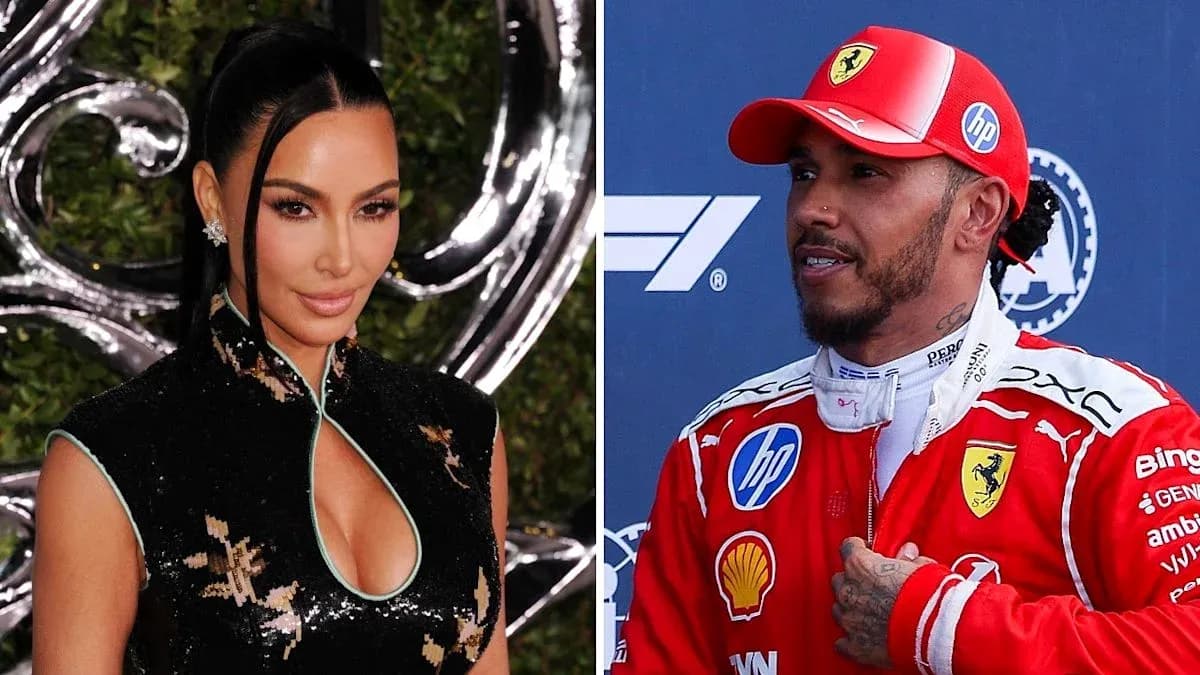
On the other side of the Ferrari garage, Lewis Hamilton’s race barely began. The seven-time world champion reported brake problems and retired after only seven laps, compounding a difficult stretch after finishing sixth at Monza following an early clash with Leclerc.
George Russell kept Mercedes’ points haul healthy. The Briton crossed the line in fifth, backing up Antonelli’s win and helping to cement the team’s authority at the sharp end of the standings.
For Antonelli, it was win number eight of the season. He now leads Russell by 81 points with nine races to go, a gap that speaks not only to speed but to a knack for being in the right place when the race turns chaotic.
Home heroes collide as Madrid splits opinion
The Spanish Grand Prix’s return to the Madrid region for the first time since 1981 — the last race at Jarama — was supposed to be a celebration for the home crowd. On track, it quickly turned sour for the local heroes.
Fernando Alonso and Carlos Sainz started near the back and clashed early.
“He squeezed me into the wall,” Alonso said. “(At) the start, he crashed into two people, now he squeezed me into the wall on breaking.”
Sainz had already tangled with other cars in an aggressive opening phase. Stewards handed him a five-second penalty for the incident with Alonso, and his day ended in retirement with a car issue. A home grand prix to forget for both Spaniards.
Off the track, Madrid offered a different kind of theatre. Organisers projected a weekend attendance of nearly 350,000, with Spanish King Felipe VI among the spectators in the capital. The grandstands and fan zones throbbed with support for Formula 1’s return.
Not everyone shared the enthusiasm.
Hours before lights out, a few hundred residents from northern Madrid neighbourhoods gathered in protest, many in bright yellow shirts, holding signs that read “Stop Formula 1 in Madrid.” They railed against the noise, the road closures, and the environmental impact of a race that has a 10-year contract in the city.
On a tight, modern street circuit with limited overtaking, strategy and timing decided almost everything. Antonelli and Mercedes nailed both. Norris walked away feeling “insanely unlucky.” Lawson, quietly efficient, banked his best result yet for Red Bull and more evidence he belongs in this company.
Next stop is Baku, where the walls sit closer, the risks run higher, and the margins for title contenders — and ambitious midfielders like Lawson — grow even thinner.