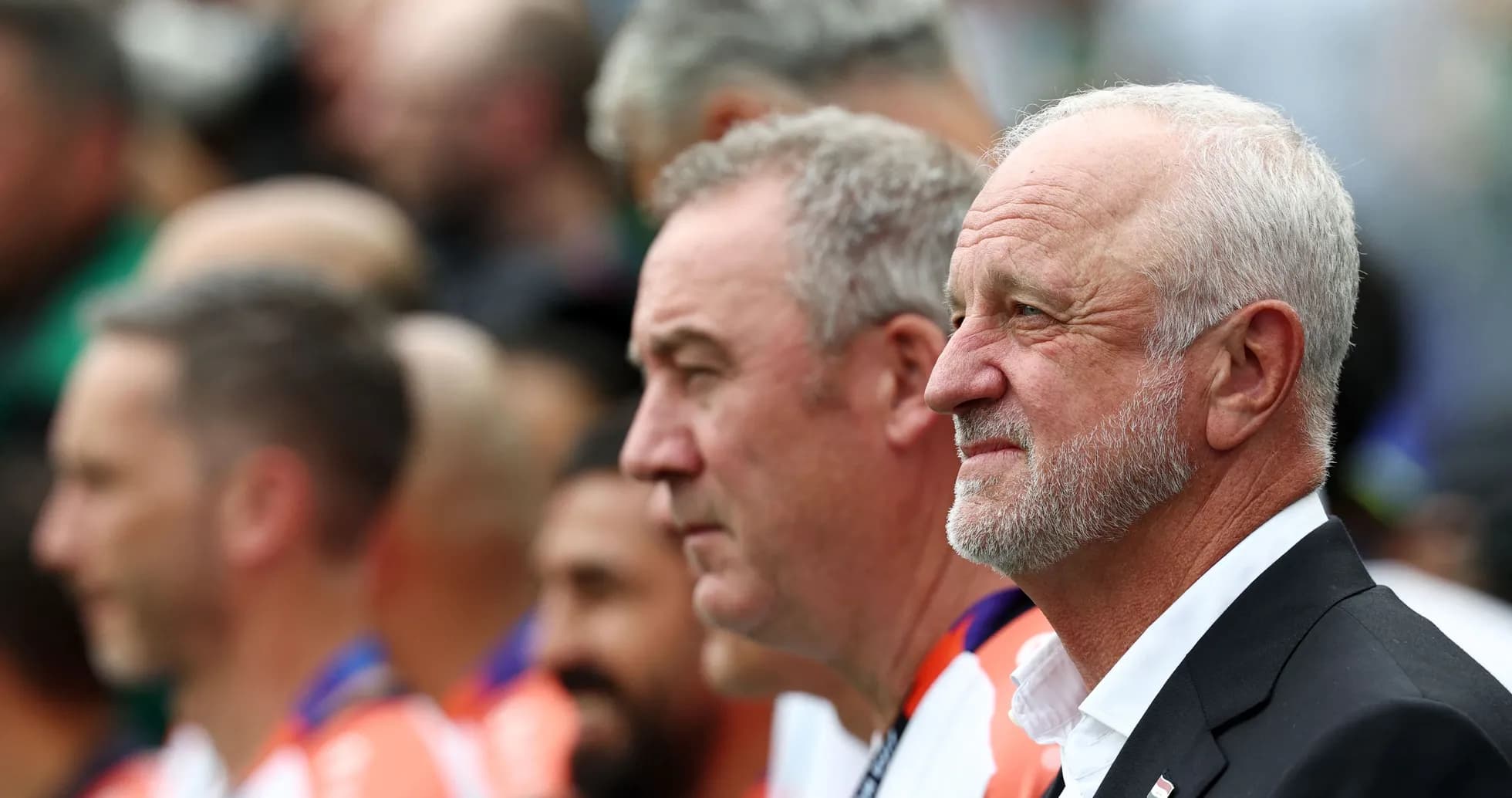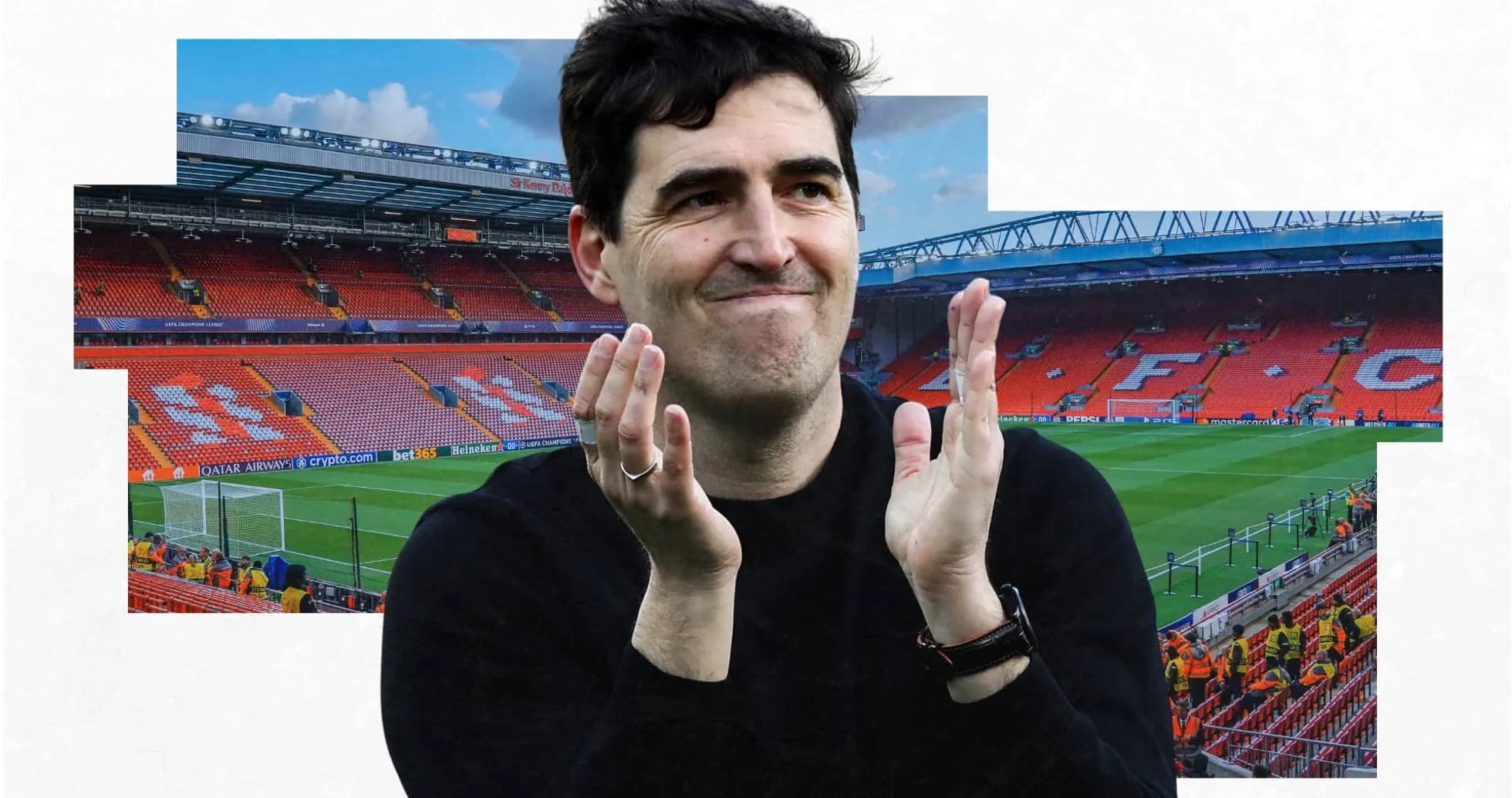
Liverpool spent deadline week scanning the market for a right-sided forward. In the end, they realised the solution was already in the building.
Richard Hughes pushed late in the window. Twice.
He went after Yankuba Minteh at Brighton and Ismaila Sarr at Crystal Palace, two direct, explosive wide men who fit the club’s attacking profile. Both players were keen on the move. Both could see themselves in red, under the Anfield lights.
Their clubs saw something else: an opportunity.
Brighton quoted around £80 million for Minteh. Palace wanted £75 million for Sarr. Those numbers stopped Liverpool in their tracks. Not because the club cannot spend, but because it will not spend blindly. For players with clear upside but no guarantee of immediate transformation, those figures crossed the line from ambitious to excessive.
So the calls slowed, then stopped. The deals died.
And Liverpool made a different choice: keep Cody Gakpo.
It was not the glamorous, “new toy” answer some supporters were hoping for, especially those who had fallen hard for the idea of Minteh. But it was the kind of decision that has underpinned Liverpool’s best years under their modern sporting structures — trusting existing talent, not caving to inflated markets.
Whether Liverpool return for Minteh or Sarr in future windows is an open question. The club will almost certainly keep looking to refresh and deepen its forward line. But the Minteh situation, in particular, came with an extra layer of risk.
The 19-year-old Gambian winger, the one many fans most wanted, is currently sidelined. A thigh injury in pre-season required surgery, and the current estimates place his return around mid-November. By then, the calendar will already be edging towards January, when Liverpool could reassess the landscape with more information and less urgency.
An £80 million outlay on a player who cannot contribute for months, in a position that might already be covered, was simply too much to swallow.
Any renewed pursuit later in the season would likely depend on outgoings. Another attacker would need to move on to make space and sense of the numbers — with the article’s nod to Federico Chiesa underlining that Liverpool’s forward department is not short on big names and big contracts.
All of which brings the story back to the present. Back to the player who quietly changes the complexion of this debate.
Bradley Barcola.
Liverpool announced his arrival on the penultimate day of the window. The initial reaction in some quarters framed him as another left-winger, another option to cut inside from the flank. On paper, that made sense. According to Wyscout, Barcola has logged over 9,000 minutes on the left from youth to senior level. That is his most frequent role. That is the version most scouts and fans think they know.
But that is only half the picture.
Barcola is not just capable on the right; he is proven there. He has already played more than 3,600 minutes as a right-winger, returning 11 goals and 13 assists from that side. Those are not token appearances or experimental cameos. That is a body of work.
For Liverpool’s hierarchy, that matters. It explains why they could walk away from Minteh and Sarr without panic. They did not leave the window empty-handed on the right. They had already signed someone who can own that channel.
The plan, logically, is to use Barcola heavily from the right, where his combination of pace, balance and end product can stretch games and open space for the rest of the front line. He offers the versatility to switch flanks, but crucially, he gives Liverpool a genuine right-sided threat without the need for another eye-watering transfer fee.
So while the headlines circled around the deals that never happened, the more important story might be the one that did.
Liverpool went hunting for a right-winger. In the end, they realised they had already bought a special one.