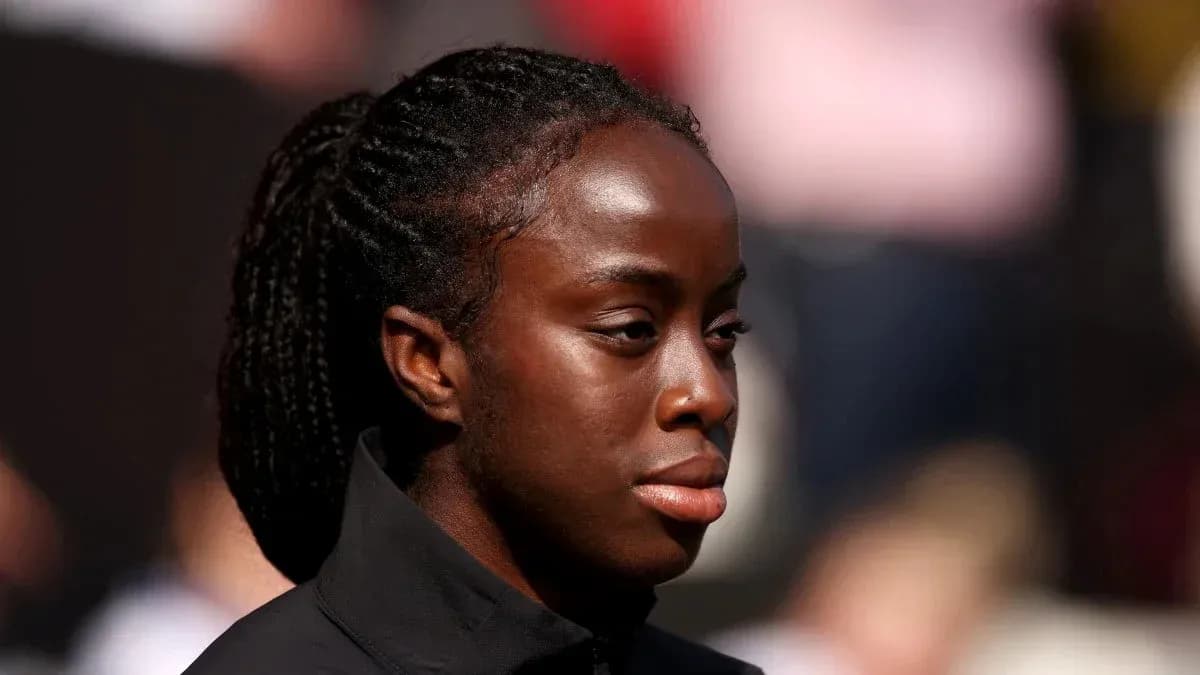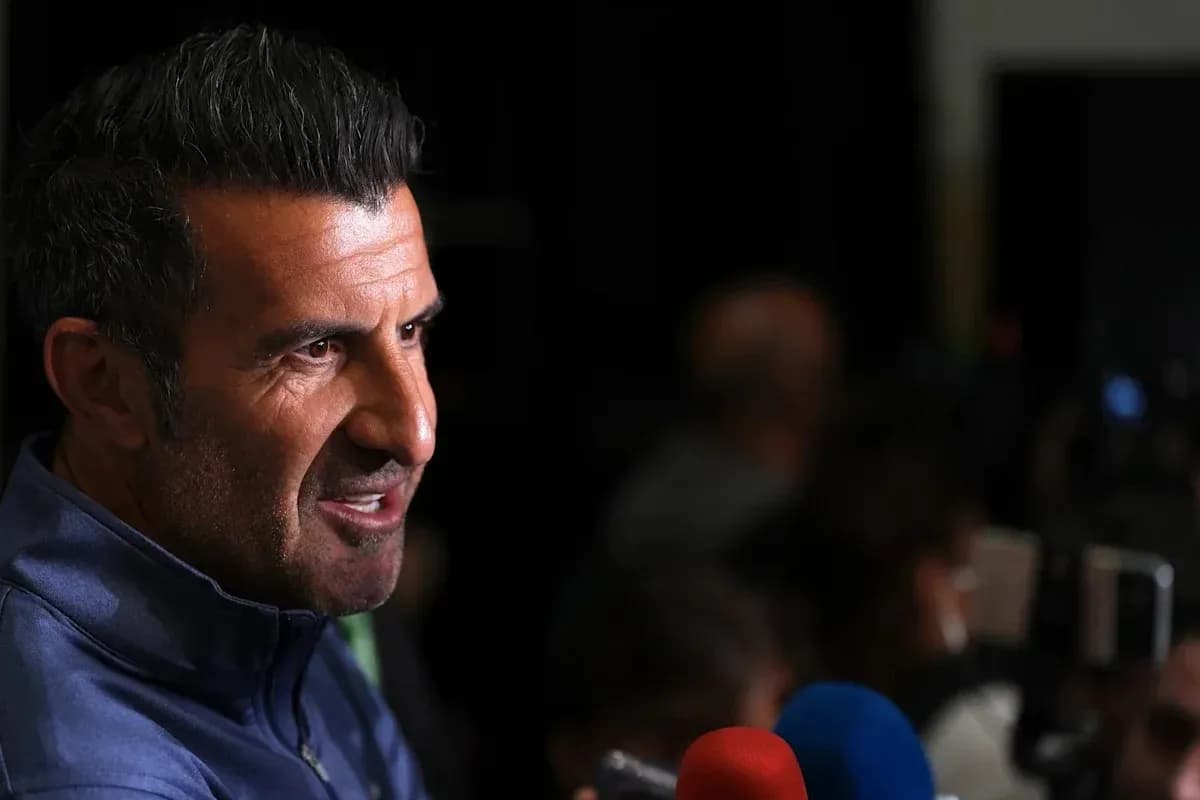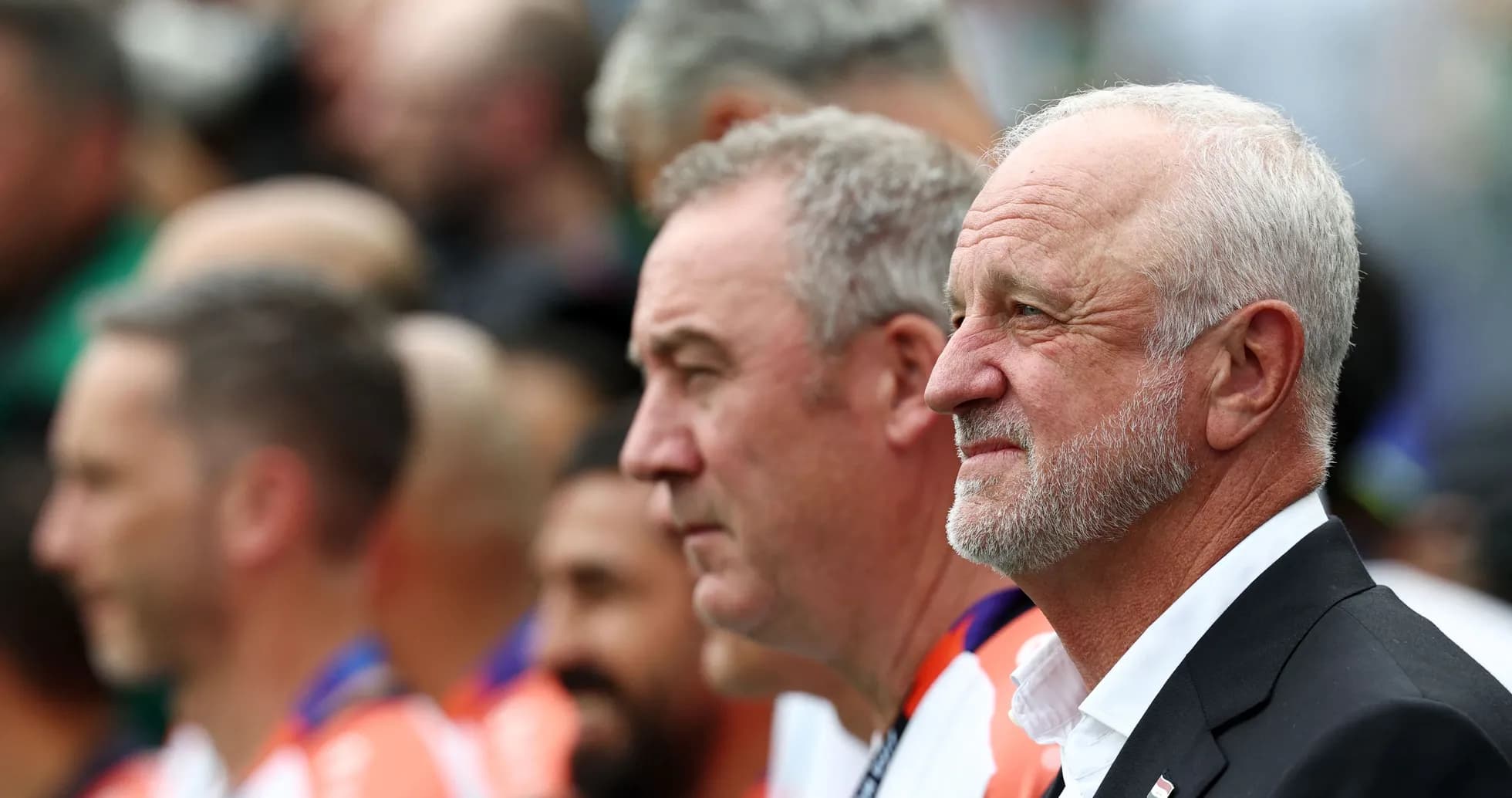
Liverpool did not just sign Florian Wirtz. They staked a chunk of their future on him.
A marquee arrival, a statement fee, the sort of talent you build a team around. Yet as the 2026-27 season creaks into gear, the German playmaker is still searching for a spark. The clock, as Dietmar Hamann bluntly warns, is already ticking.
“Too good to fail” – until he doesn’t
Hamann, speaking to GOAL in association with Betinia NJ, did not dress anything up. Asked what Wirtz needs from this campaign and when the exit whispers might begin, his answer cut straight to the point.
"He's got to start playing well. He has to start influencing the game."
Right now, that influence is sporadic at best. Hamann sees a player drifting through matches rather than dictating them.
"I think he's a player who floats," he said, suggesting Wirtz has yet to earn the kind of dressing-room respect that buys attacking players a bit of defensive leeway. The bargain is simple: others win the ball, you win the game. But that only works when the creator delivers.
"And the players don't mind doing it if when he does get the ball 10 times, six, seven, eight times, something's going to happen. That's just not the case."
So Wirtz has tried to compensate. He runs. He tracks back. He works.
"Now he's working very hard going backwards. I think sometimes he's doing too much. He wants to help the team because he sees that he can influence the game going forward. So I think the balance in his game has been wrong."
The verdict is ruthless but fair: he is not there to be a ball-winner. He is there to decide matches.
"He's not there to win balls, he's there to set up goals and score goals."
A handful of games, not nearly enough
Hamann can recall only “a handful of games” last season when Wirtz genuinely lived up to his billing. For a player of his cost and reputation, that return is miles short.
"It's simply not enough," he said.
The physical edge of the Premier League has become the easy explanation, but Hamann refuses to hide behind it. He namechecks Juan Sebastian Veron, who arrived in England hailed as the best midfielder in the world and was gone after a season.
"So some just can't do it or don't want to do it."
Early on, Hamann preached patience. Two or three months of adaptation felt reasonable. Wirtz, in his eyes, was “too good to fail”. That belief did not survive the festive period.
"But once it went past Christmas, I said, I don't think he's going to crack it anymore because it's too long now. Because expectations are not getting any less."
Those expectations have only hardened since. The new season has begun with Wirtz again substituted after an hour in the opening game, still looking for rhythm, still on the fringes of the decisive moments.
Hamann does not see much wriggle room.
"I think if he doesn't start influencing games in the next three or four weeks, I think by the time we have that international break, which is longer this year, I think we have a lot of paper talk, a lot of discussions, whether the club should have bought him, which is obviously too late because he's there. And maybe him thinking, ‘well, maybe this is not for me’."
That is the kind of line that lingers. Not just the club questioning the deal, but the player questioning the league, the fit, the project.
"I think something will happen because for a player of that magnitude, of that stature, the amount of money he costs, it's simply not enough. You've got to find a solution somehow, maybe even in winter, if things don't get better."
No.10, left forward… or nowhere?
Part of the debate around Wirtz has centred on his role. Is he a classic No.10, operating between the lines, or a wide forward on the left, drifting infield to unlock defences?
For Hamann, the positional argument is a distraction.
He acknowledges Liverpool’s internal view of Wirtz as a potential No.10 and accepts that others see him as more effective from the left. But for him, the conversation should have changed months ago.
"I know everybody said how well he does in training and all this. And there does come a point, and I think the point was last year after Christmas, where somebody should have said, ‘listen lad, either you do it or in the summer, we see what's happening in the World Cup, maybe we've got to find a solution’. Because they can't wait forever."
The message is stark: he was bought to be the main man, not a tactical puzzle.
"He was bought to be the main man. And I wouldn't blame it on the position that he plays on the left. I think a year earlier, I said in the summer he sees him as a number 10. But if you've got a number 10 who doesn't create the chances or doesn't score enough goals, then obviously somebody else has to play - especially with [Bradley] Barcola coming in."
Barcola’s arrival sharpens the edge. Competition is no longer theoretical. If Wirtz does not provide end product, someone else will take his place. The Premier League can be unforgiving; Liverpool even more so when the stakes rise.
"It's a tricky situation for players in England," Hamann concluded.
For Wirtz, tricky is about to become defining. Three or four weeks to change the mood, to turn training-ground praise into match-winning performances, to look like the player Liverpool thought they were getting.
If he cannot, the conversation around him will not be about position or potential anymore. It will be about exit strategies.