Los Angeles Lakers: Pursuing Herb Jones Amid Center Needs
The Los Angeles Lakers are rolling. They look deep, balanced, and sharp — the most convincing version of themselves since the 2019-20 title run. They’re level with the San Antonio Spurs at the top of the West, and right now, they don’t resemble a team desperate for help.
But this is the Lakers. Standing pat has never been part of the brand.
Winning Now, Still Shopping
Even with the strong start, questions that hovered over this roster in October haven’t vanished. The wing rotation has settled a bit thanks to the lively two-way impact of offseason pickup Ziaire Williams, whose energy and length have plugged a few gaps. The real concern sits behind Walker Kessler.
L.A. needs another big.
The front office is expected to work the phones as the trade deadline approaches, hunting for a center who can soak up reliable minutes and protect them against foul trouble, injuries, and the grind of an 82-game season. That’s the priority.
Yet one name simply won’t leave the Lakers’ orbit: Herb Jones.
Herb Jones, Again
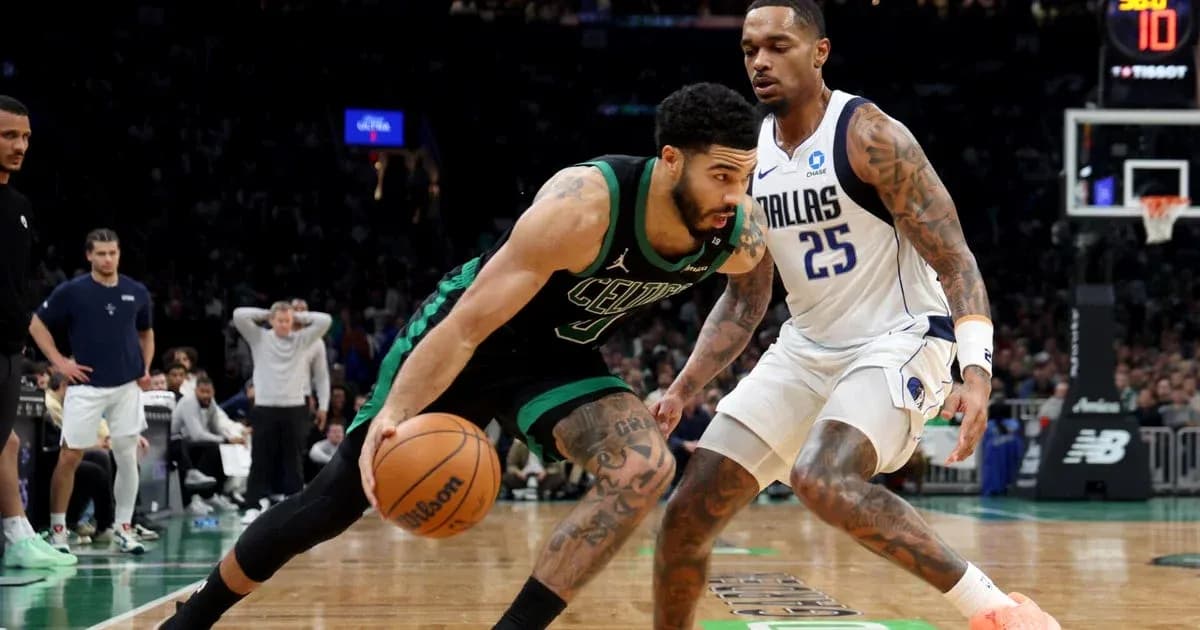
For a couple of years now, Herb Jones has been the sort of player fans in Los Angeles circle in red. A rugged, defensive-minded wing on a New Orleans Pelicans team that perennially teeters between promise and disappointment, Jones fits the archetype the Lakers love around stars: low-usage, high-impact, playoff-ready.
With the Pelicans once again tracking toward another underwhelming campaign, league observers expect New Orleans to at least listen to offers. That’s where a wild, five-team trade framework — cooked up by a Fanspo.com trade machine user — enters the conversation.
The proposed deal looks like this:
- Lakers receive: Herb Jones
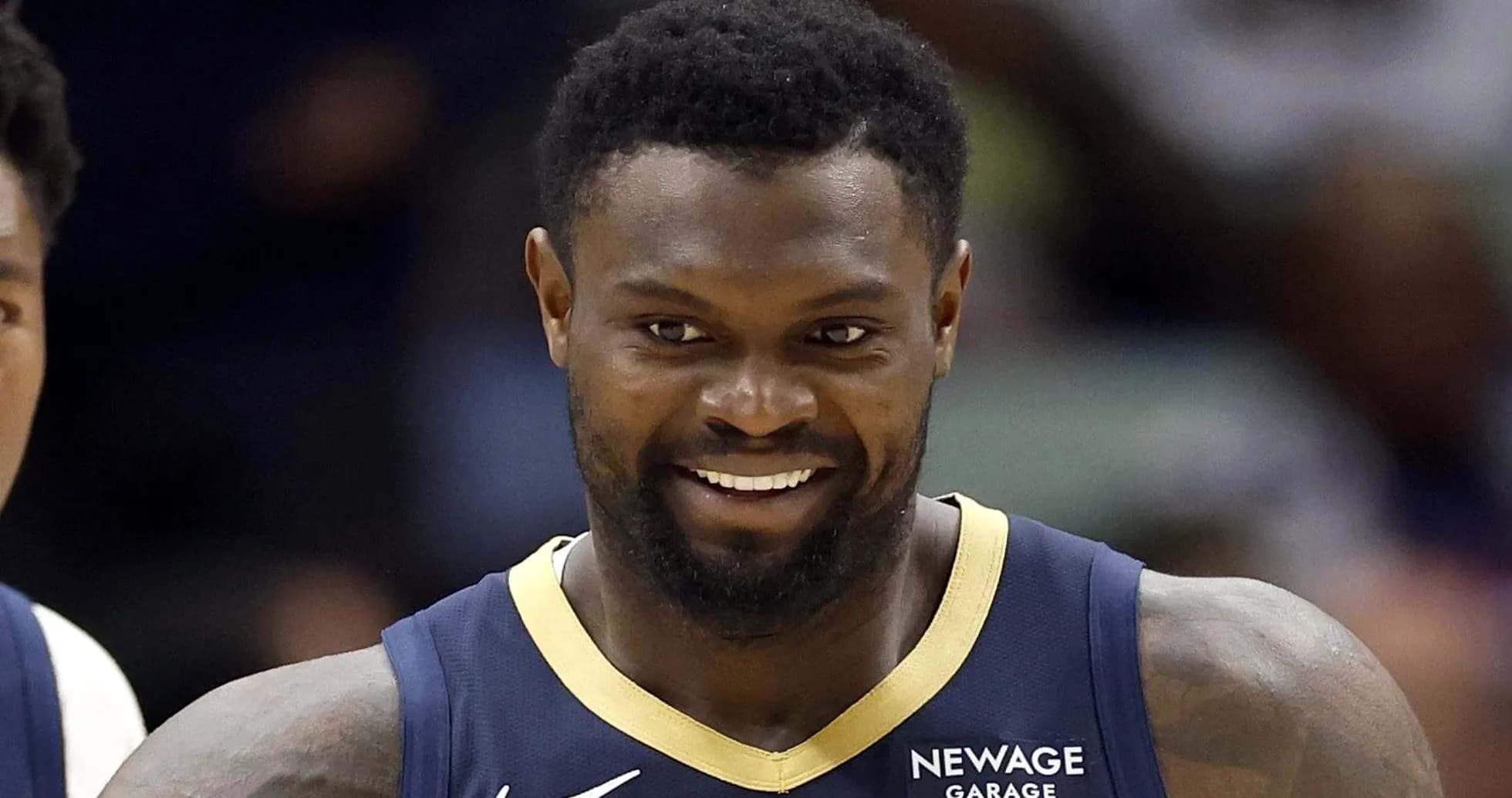
- Clippers receive: Zion Williamson
- Pelicans receive: Max Strus, Derrick Jones Jr., Gradey Dick, Jalen Green, Jake LaRavia, Kevon Looney, Cameron Johnson, Julian Strawther and a haul of draft picks
- Suns receive: Dejounte Murray
- Nuggets receive: Trey Murphy III
It’s the kind of blockbuster only a trade machine could love: four of New Orleans’ prime assets shipped out, eight players coming in, and double-digit draft picks changing hands. It’s clearly structured as a deadline-style mega-deal, with pieces like Kevon Looney not even eligible to be moved until mid-December.
Strip away the noise, though, and the Lakers’ angle is simple: Jones in, a couple of players and two second-round picks out.
Is Herb Jones Worth the Gamble?
On paper, landing a 28-year-old perimeter stopper for a modest package looks like smart business. The cost in this framework is two second-round picks — both acquired in the Deandre Ayton-to-Washington Wizards deal — and a steady rotation piece like Jake LaRavia.
Defensively, Jones checks almost every box. He guards up and down lineups, competes on every possession, and brings a mentality that usually translates in May and June.
The problem lives on the other end.
Jones is coming off a season in which he posted a career-low scoring average. His start to this campaign has only deepened the concern: 6.1 points per game, 37 percent shooting from the field, and just 25 percent from beyond the arc. Those are not the numbers of a clear-cut upgrade, especially for a team that already leans heavily on its stars to manufacture offense in tight games.
So the question for L.A. becomes blunt: is it worth surrendering draft capital and a reliable, developing piece like LaRavia for a wing who hasn’t shown much offensive growth in recent seasons?
Some fans would say no. The Lakers already know how ugly their half-court sets can look when shooting dries up. Adding another limited scorer into that mix carries risk, no matter how good the defense is.
The Real Shopping List
For now, Jones is more of a recurring rumor than a front-burner pursuit. Recent reporting around the league has been consistent: the Lakers are zeroed in on the center market, searching for a big who can give them honest minutes behind Walker Kessler and stabilize the rotation.
That’s where their energy goes first.
If and when they secure that frontcourt reinforcement, the conversation can shift. At that point, a wing upgrade becomes a luxury play, not a necessity, and someone like Herb Jones might move from “interesting idea” to “serious target.”
Until then, the Lakers will keep winning, keep probing the market, and keep weighing a familiar question in this era of star-heavy rosters:
How much defense can you afford to add if the offense doesn’t follow?