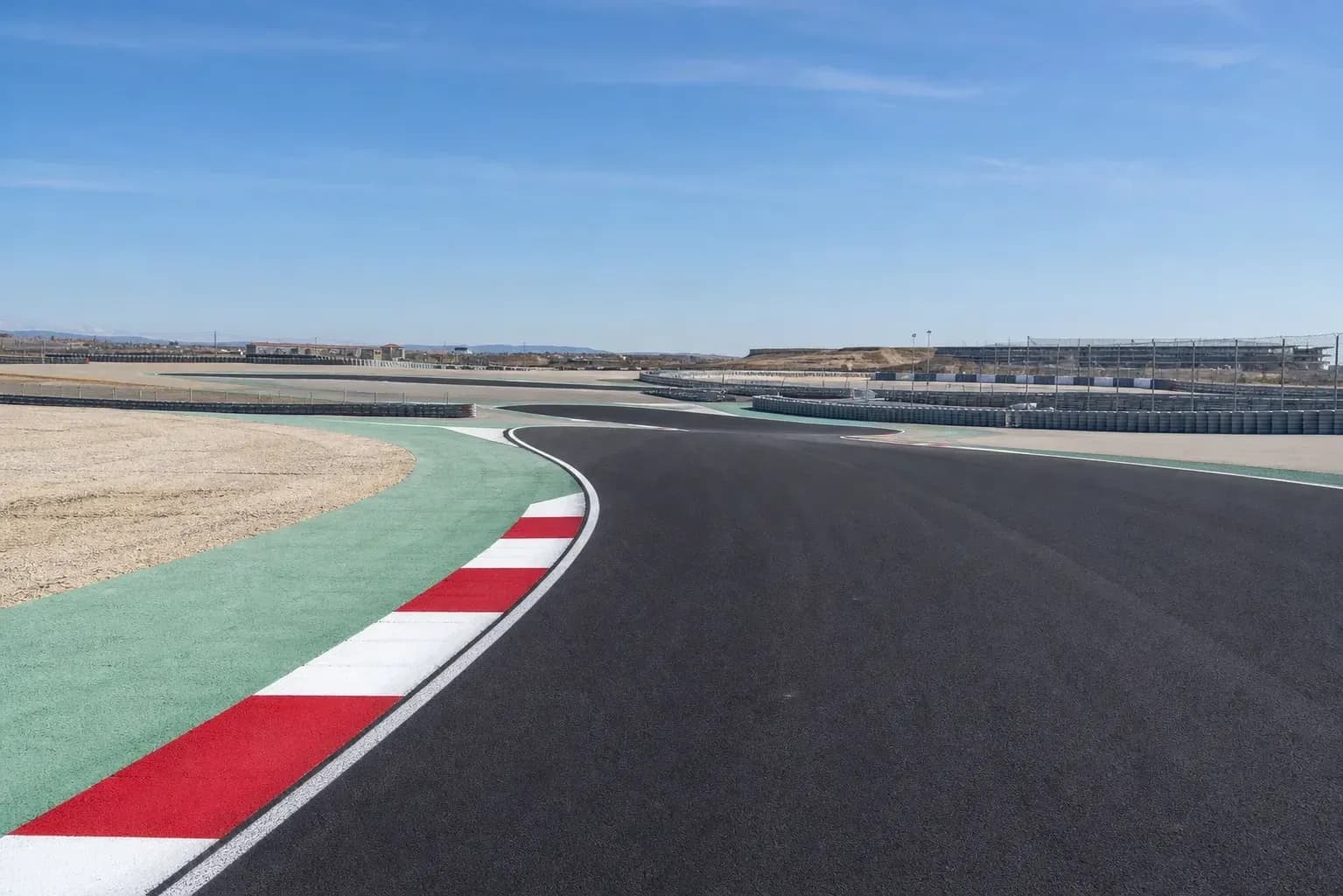
Formula 1 is about to change its Spanish address. After decades of racing in Barcelona, the 2026 Spanish Grand Prix will unfold on fresh asphalt and city streets in Madrid, at the brand-new Madring circuit – a venue already locked in on the calendar until 2035, according to ABC News.
This isn’t a simple swap of one permanent track for another. Madring is a hybrid. The 22‑turn layout stitches together public roads and private land, creating a patchwork of street‑circuit intensity and permanent‑track flow. Parts of it will look familiar to fans of tight, unforgiving city racing; other sections promise the high‑speed rhythm of a purpose‑built facility.
And then there’s Turn 12.
La Monumental: Madrid’s Statement Corner
The showpiece of the new circuit is a single, audacious corner: La Monumental. Turn 12 is a long, banked hairpin with a 270‑degree arc and a maximum banking angle of up to 13.5 degrees. It’s a corner designed not just to test drivers, but to define a Grand Prix.
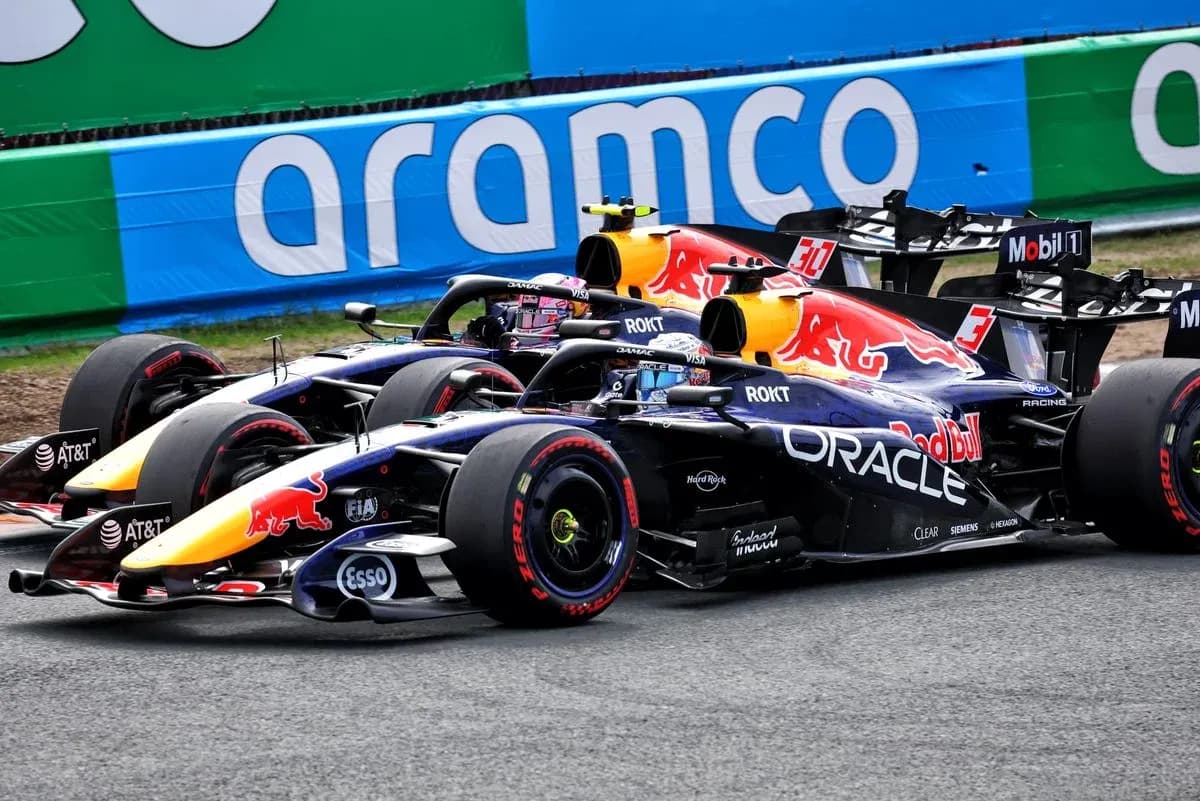
For context, Zandvoort’s famed banking peaks at 18 degrees, steeper on paper. Yet Formula 1 engineers expect cars to attack La Monumental at higher speeds, exploiting the sweeping radius and the banking to carry momentum in a way that could make it one of the most spectacular corners on the calendar.
Williams driver Carlos Sainz has already had a taste of the layout, sampling Madring in a Ford Mustang GT. His early verdict on La Monumental was striking: he suggested that modern F1 machinery might be able to take the corner flat out. If that holds true, Turn 12 could become a full‑commitment test of bravery, with the real action triggered just after it.
The key, Sainz indicated, will be what happens on the run to the tight left‑hander that follows. The banking at La Monumental should give drivers options – a higher or lower line to hunt for clean air while stalking a rival, or a tighter, more aggressive path near the inside to latch onto a slipstream. The comparison with Zandvoort is deliberate: the same aerodynamic games, but on a broader, faster canvas.
If the theory translates into racing reality, Madrid’s signature corner could turn the Spanish Grand Prix from a strategic chess match into a wheel‑to‑wheel spectacle.
Title Fight Rolls into Madrid
When Formula 1 arrives in the Spanish capital on Sunday, September 13, the new circuit will not be the only storyline. The championship picture is already sharply defined at the front.
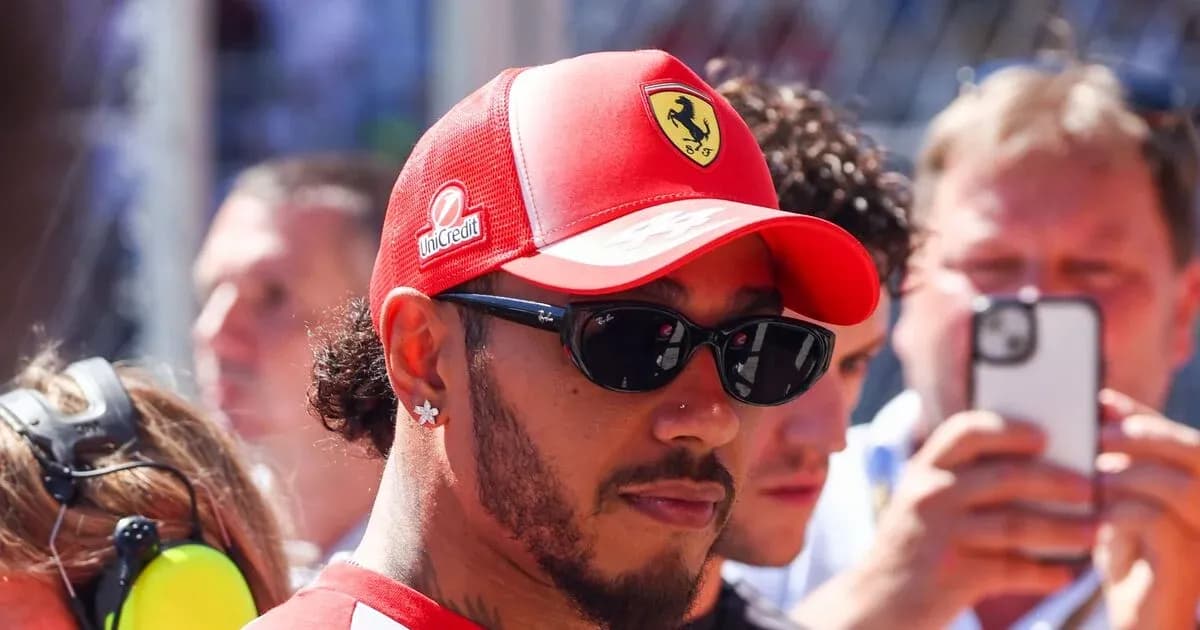
Mercedes prodigy Kimi Antonelli leads the drivers’ standings with 267 points, setting the pace in a season that has thrust him firmly into the spotlight. Just behind, his teammate George Russell sits on 201 points, giving Mercedes a powerful one‑two at the top and a strategic luxury most teams can only envy. Ferrari’s Lewis Hamilton, with 191 points, remains in striking distance, lurking as the experienced hunter in a title race led by a new generation.
The constructors’ battle mirrors that dominance. Mercedes hold 468 points, a clear benchmark for the field. Ferrari, on 346, are close enough to punish any slip, but still searching for the kind of weekend that can truly swing momentum. McLaren, with 287 points, stay in the mix, poised to capitalise if chaos erupts at the front.
All of that now collides with the unknowns of Madring. New asphalt. New braking points. New risks.
The Spanish Grand Prix has moved from the familiarity of Barcelona to a bold, made‑for‑television arena in Madrid. La Monumental sits at the heart of it, waiting to see who dares to keep it flat – and who pays the price.