Manchester United have banned 685 ticket accounts and sanctioned or warned a further 464 supporters after a sweeping investigation into touting – a clampdown that has exposed large-scale abuse of the club’s ticketing system while deepening tensions with parts of the fanbase.
The inquiry began in July and quickly sparked fury. Season-ticket holders, some of whom had received stark emails hinting at possible sanctions without clear explanations, feared they were about to lose long‑held seats with little right of reply. Protests followed, online and outside Old Trafford, as fans demanded clarity.
Under pressure, the club rowed back on some of its approach. The wording of the warning emails was softened. United privately accepted they had badly underestimated how many ordinary supporters share account details with friends and family, and acknowledged their early communication had caused “distress” to some fans.
The numbers, though, underline the scale of what United believe they were up against.
“Six hundred and eighty-five accounts have been subject to a ban, while 464 supporters received a reduced sanction or final warning,” the club said. Bans, they stressed, were reserved for what they classed as “significant misuse” of the system for financial gain.
That goes well beyond the occasional passed-on ticket. United say they uncovered organised ticketing networks running hundreds of accounts, controlling, selling and distributing tickets at scale, often at inflated prices. Those operations, the club insists, have now been broken up.
Inside Old Trafford, officials are adamant the social media narrative does not match the full picture. Club sources argue that several high-profile cases shared online are inaccurate or incomplete, and that “innocent fans” have not been punished. In their view, the investigation has clearly identified and removed hundreds of touts.
Whether that convinces the wider support is another matter.
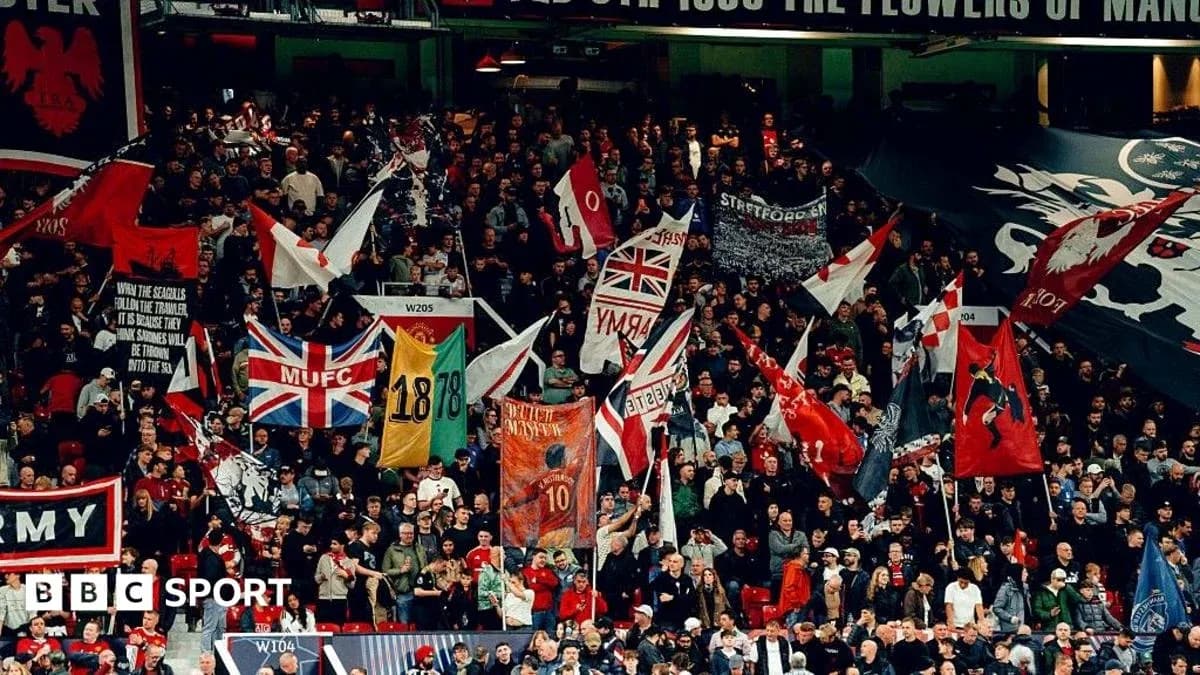
Discontent is already running high. The 1958 fan group has called for a protest against the club’s ownership before Sunday’s Manchester derby, with the ticketing saga cited as a key flashpoint alongside long-standing anger at the hierarchy.
Against that backdrop, United have tried to frame the crackdown as a necessary defence of match-going fans rather than a revenue grab.
“The club's guiding principle around ticketing is simple: to keep our fans safe and secure, to protect fair access to tickets for genuine Manchester United supporters and to tackle ticket touting, misuse and activity for financial gain,” the club said.
They are also keen to stress that they are not cashing in on confiscated seats. Until all appeals are resolved, United say any sanctioned tickets will be resold on a match-by-match basis “at season ticket prices”, insisting: “The club is not profiting from this process.”
The issue is not unique to Old Trafford. Across the Premier League’s elite, clubs have started to move more aggressively against touts and unauthorised reselling.
Manchester City banned 165 supporters in March 2025 after away fans were found in home sections at Etihad Stadium, a breach that raised safety concerns as well as questions over how tickets were changing hands. In July 2026, Liverpool went even harder, issuing 432 lifetime bans in their own touting crackdown, alongside the seizure of assets worth more than £1.2m.
United’s operation now sits in that same bracket: wide-ranging, data-driven and, in parts of the fanbase, deeply unpopular.
For the club, the message is that this is a necessary clean-up to protect “genuine” supporters and restore integrity to a system they believe had been hijacked. For many fans, especially those who felt blindsided by threatening emails and opaque processes, trust has taken another hit.
The derby will bring the usual noise, colour and edge. The question is whether the sound from the stands will be fuelled only by rivalry with City – or by a growing anger at how their own club is being run.