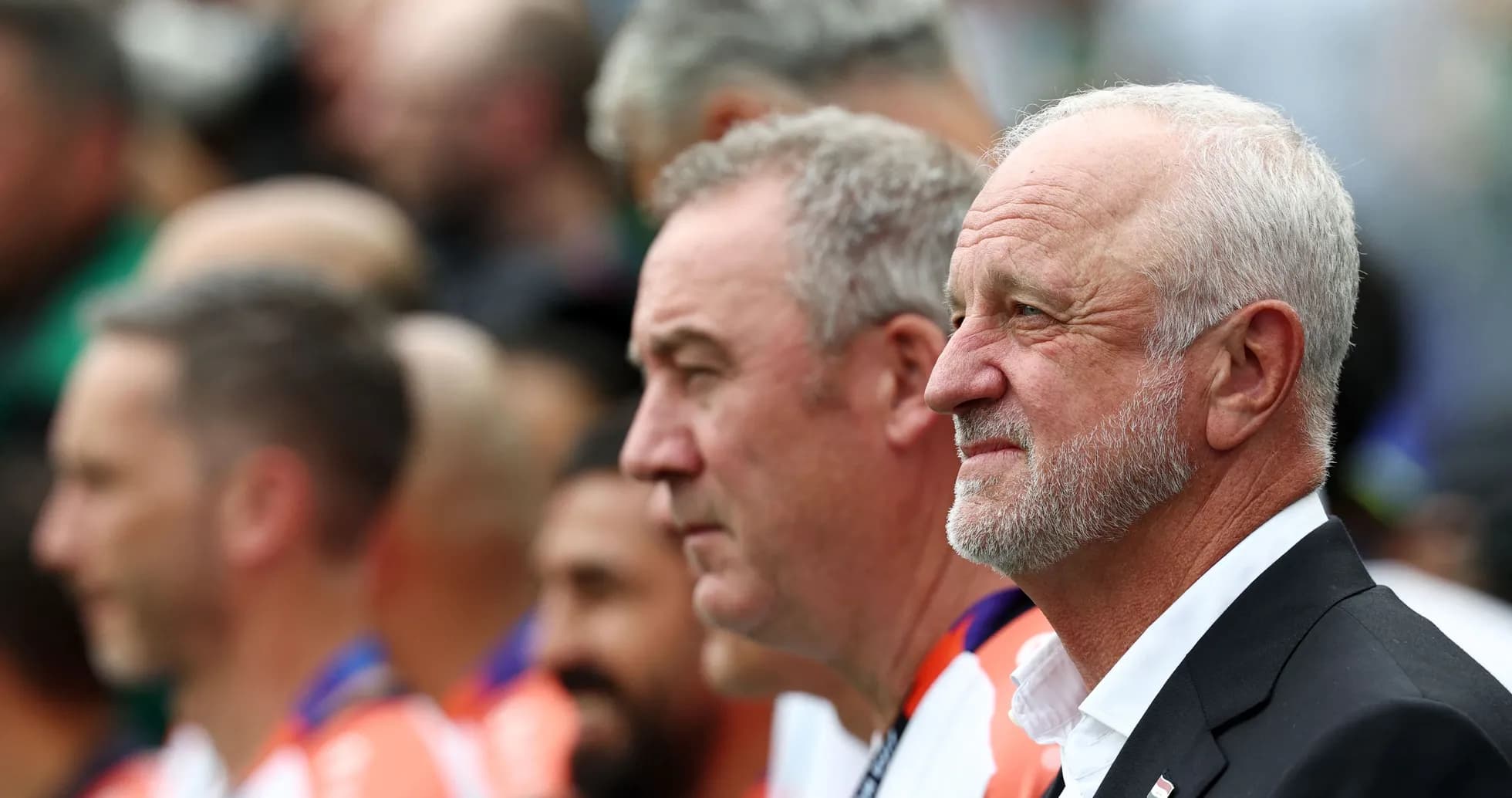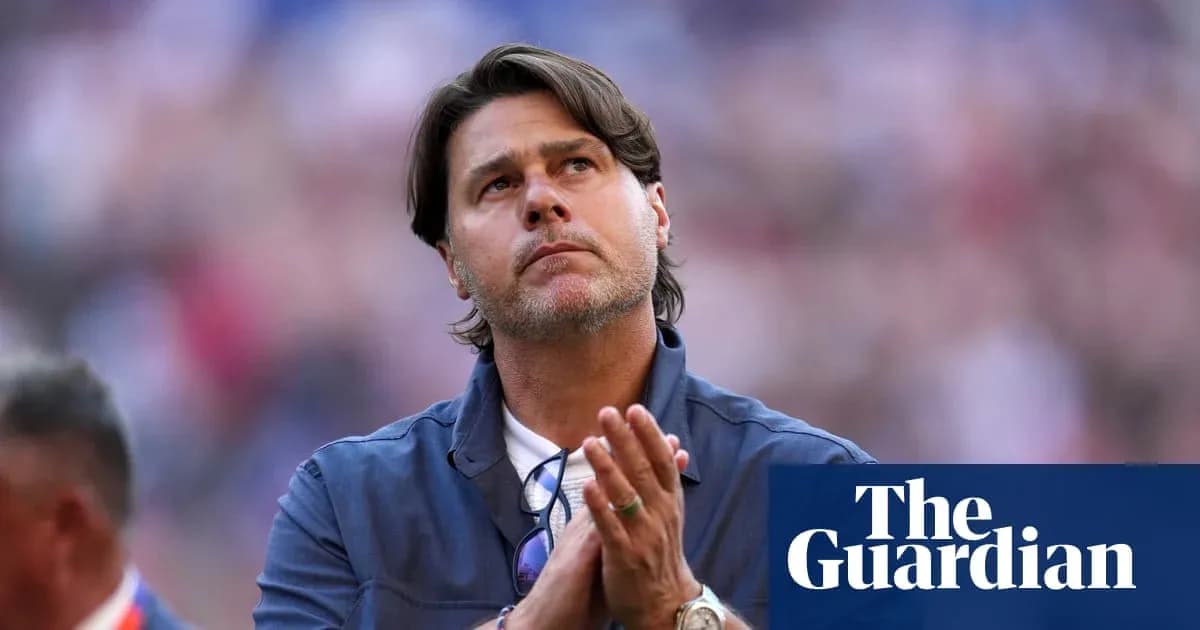
Two months after the crash, Mauricio Pochettino is back in the office, not the autopsy room.
The US men’s national team’s World Cup exit still hangs in the air, but the Argentinian is already working on something far bigger than a single tournament cycle. He has tied his future to a project that stretches from World Cup qualifying to the Los Angeles Olympics, and deep into the foundations of the sport in the United States.
This is no longer a short stay. It’s a rebuild of the house.
From stopgap to architect
When Pochettino arrived in 2024, he looked like a classic short-term hire: big-name coach, home World Cup in 2026, and then everyone shakes hands and moves on. Instead, US Soccer’s August announcement of his contract extension came with a twist.
He is no longer just the head coach.
The federation has handed him a broader brief: a louder voice in youth development, a say in coaching education, and a seat at the table on professional league collaboration. No US manager has ever been asked to shape so much of the program’s direction.
This isn’t simply about picking a 26-man squad. It’s about deciding what kind of country the US wants to be in world football.
Pochettino is stepping into a federation in flux. US Soccer is restructuring, creating new director roles to oversee the men’s and women’s senior and youth setups. Those hires will define the next decade. He has made it clear he is willing to help, but not to dominate.
He joked that it cannot “just be my guy,” and that line matters. The federation wants his influence, not a one-man regime.
Still, he knows the scale of the opportunity.
“This is the future of the USA,” he said. He talked about performing at the World Cup, about creating “something special with the fans,” about being part of a legacy that could see the US become “one of the most powerful countries in soccer.”
That is the dream he has signed up for. Not just to win games, but to leave something behind.
A packed calendar, a bigger horizon
On paper, the next few weeks look routine. The US will play four friendlies in late September and early October against Peru, Chile, Mexico and Canada. Useful tests, decent opponents, but nothing that will rewrite the sport’s history here.
The real weight lies further down the road.
Pochettino must guide the US through qualification for the 2030 World Cup. The team is expected to appear at the Los Angeles Olympics in 2028, and it has been widely reported they may also feature in the Copa América that same summer. That would be a brutal, exhilarating stretch: hosting the Olympics, potentially playing South America’s elite, and trying to prove the US can live at that level.
Pochettino sees those events as chapters in a larger story. A national team that doesn’t just ride the wave of a home World Cup, but uses it to change the way the country thinks about the game.
If he gets it right, the impact will be felt long after he’s gone.
Balogun’s deadline-day blow
Not every storyline this summer has been grand and strategic. Some have been raw and personal.
Folarin Balogun, fresh off a breakout World Cup, looked set for a major move. The Monaco forward drew serious interest, and a transfer to Everton loomed as one of the window’s defining USMNT deals.
Then it collapsed at the last moment.
Everton cited a potential fitness issue. Monaco pushed back. So did Balogun’s camp. The move died anyway, leaving the 25-year-old stuck where he started the summer, with a bitter taste of what might have been.
Pochettino has seen this before. Stars built up for a big move, only to watch it vanish in the final hours of the window. He didn’t criticize the process or the clubs involved. He focused on the player.
“Yes, it’s difficult because you cannot influence that decision,” he said. The people in boardrooms decide, and the player lives with it.
Pochettino plans to call Balogun in the coming days, but on his terms. He wanted to give the striker space after the Everton saga, then hear directly from him what happened. The message from the coach is simple: you still matter here.
He called Balogun “an important player for us,” vital at the World Cup and still central to his plans. Whether the forward’s best platform ends up being Monaco or somewhere else, Pochettino’s concern is clear: he needs Balogun in a place where he can “perform in the best way.”
The national team can’t fix a failed transfer, but it can offer a sense of belonging.
The tug-of-war for talent
If transfers are about money and opportunity, dual nationality is about identity.
Pochettino kept his cards close to his chest on the 26-man roster he will name later this month. One name, though, is already off the list: Augsburg center-back Noahkai Banks.
The 19-year-old German-American is still weighing his options and will not join the US this window. He has said he wants to decide by “the next international break, or at the latest by the international break after next.” In Germany, reports say new national team head coach Jürgen Klopp has already scouted him in person.
The battle for Banks is a snapshot of the modern US talent pool: players with options, courted by multiple giants, forced to choose which flag they will carry.
Pochettino knows he cannot strong-arm anyone into picking the US. What he can do is build a relationship.
“We are in contact with all the potential dual nationals,” he said. For him, the “human connection” sits at the heart of the process. That means staying in touch, even when a player like Banks – “Noki,” as Pochettino referred to him – delays his decision and rules himself out of the next camp.
The coach accepts the reality: no decision means no call-up. But the door stays open.
If one day those players feel ready “to defend and they want to fight and to be part of our national team,” and if the staff believes they deserve it, they will be called. The message is pointed but calm: the US will compete for these players, but on footballing merit and human trust, not desperation.
Legacy on the line
Friendlies against Peru, Chile, Mexico and Canada will give Pochettino a first chance since the World Cup to reset on the pitch. The real work, though, stretches far beyond a handful of autumn dates.
He has signed up not just to coach a team, but to help define an era: from the next World Cup qualifying campaign to Los Angeles 2028, from a restructured federation to a deeper, more competitive player pool.
The question now is not whether Mauricio Pochettino can win with the US. It’s whether he can help turn a hopeful football nation into the powerful one he keeps talking about.