McLaren arrive at Monza with momentum – and with a very visible statement bolted to the back of the MCL40.
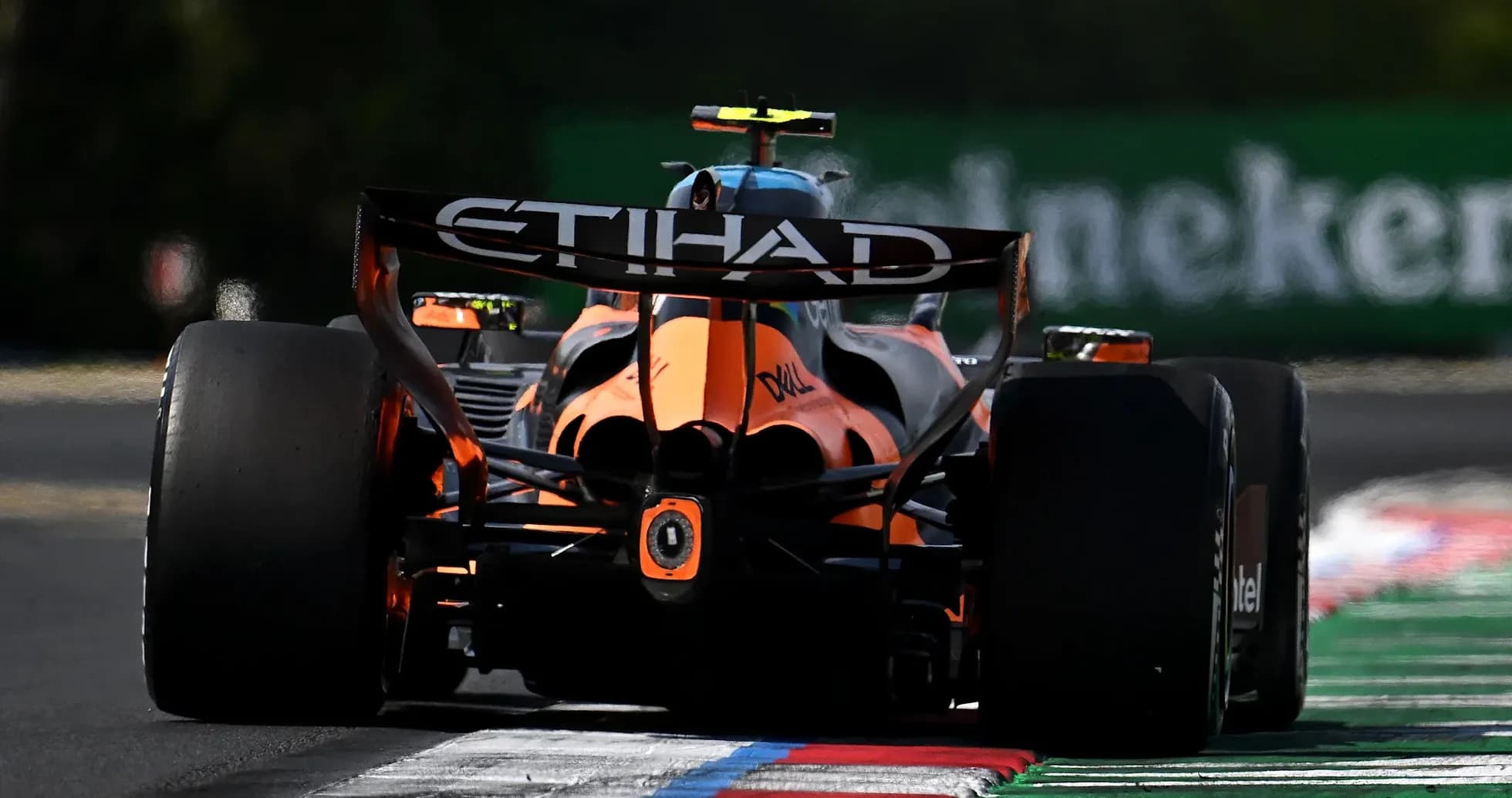
The team will run its much‑trailed rotating rear wing at the Italian Grand Prix, the so‑called ‘H‑Wing’, as they look to squeeze every last kilometre per hour out of Formula 1’s temple of speed.
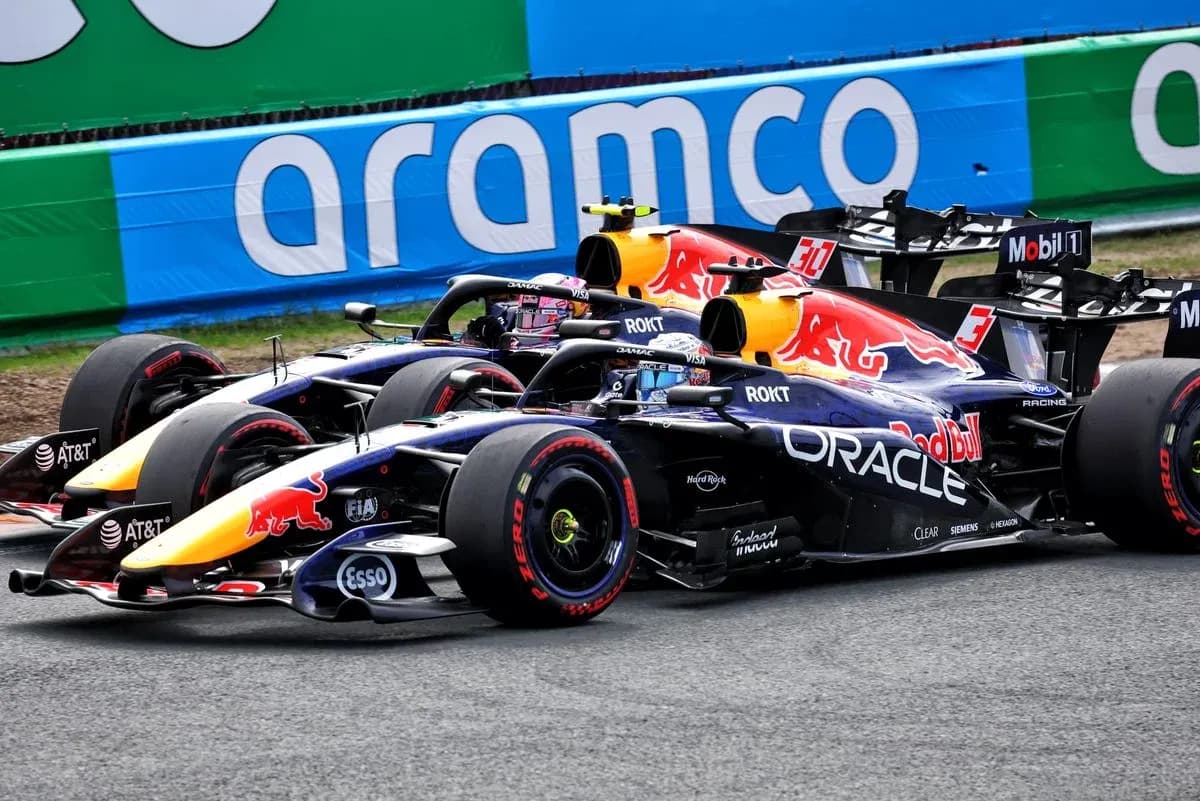
Ferrari lit the fuse on this latest rear‑wing trend with their ‘flip‑flop’ concept in pre‑season testing. Red Bull answered with their own version in Miami. McLaren quietly joined the club with a trial run during Free Practice 1 in Hungary. Now comes the full debut, on a circuit where drag reduction is king and there is nowhere to hide on the straights.
The name carries a deliberate nod to the past. In their event preview, McLaren explained that the ‘H‑Wing’ pays tribute to the team’s infamous F‑duct of 2010, the device that re‑wrote aero playbooks and took its name from the ‘F’ in the branding next to its inlet on the chassis. This time, the inspiration comes from the ‘H’ in Etihad Airways branding on the rear wing, a neat marketing‑meets‑engineering echo of that earlier innovation.
The H‑Wing is the headline, but it is not the only change. McLaren will also roll out what they describe as “minor aerodynamic updates” for Monza, alongside previously declared low‑drag components tailored specifically for the circuit’s unique layout.
Challenge at Monza
Neil Houldey, the team’s Technical Director of Applied Engineering, laid out the scale of the challenge. Monza, he said, is unlike anywhere else on the calendar: long, punishing straights that expose every scrap of drag, brutal braking zones into the chicanes that punish instability, and kerb‑riding demands that test a car’s ride quality as much as its outright speed.
Energy management could decide the fight. With limited opportunities to recharge over the lap, teams will spend practice working out exactly where to harvest and when to deploy. Get it wrong and a driver becomes a sitting duck at the end of the straight. Get it right and you create the “yo‑yo effect” Houldey described, with cars swapping the upper hand at different points of the circuit as battery strategies diverge.
At the sharp end, the margins remain razor thin. That places huge weight on the work already done back at Woking: the pre‑event simulations, the hours in the simulator, the baseline set‑up that needs to be close from the very first lap on Friday. Any lost track time will hurt. Any misstep on set‑up will be punished by the stopwatch.
So McLaren intend to arrive armed. Alongside the H‑Wing sits a new low‑drag rear‑wing specification and a suite of small aero and low‑drag options. Those will be trialled across practice before the team locks in its final configuration for qualifying – a classic Monza trade‑off between straight‑line speed and just enough downforce to attack the Variante Rettifilo, Roggia and the Ascari chicane with conviction.
Behind the technical detail lies a simple truth: McLaren believe there is more to come from the MCL40. Houldey is clear that performance remains on the table, both from maximising the current package and from upgrades already pencilled in for the races that follow.
Monza, then, is not just another high‑speed weekend. It is the next test of whether McLaren’s revival has real title‑contending depth – and whether that bold H‑shaped signature on the rear wing can carve out an advantage on the fastest stage of them all.