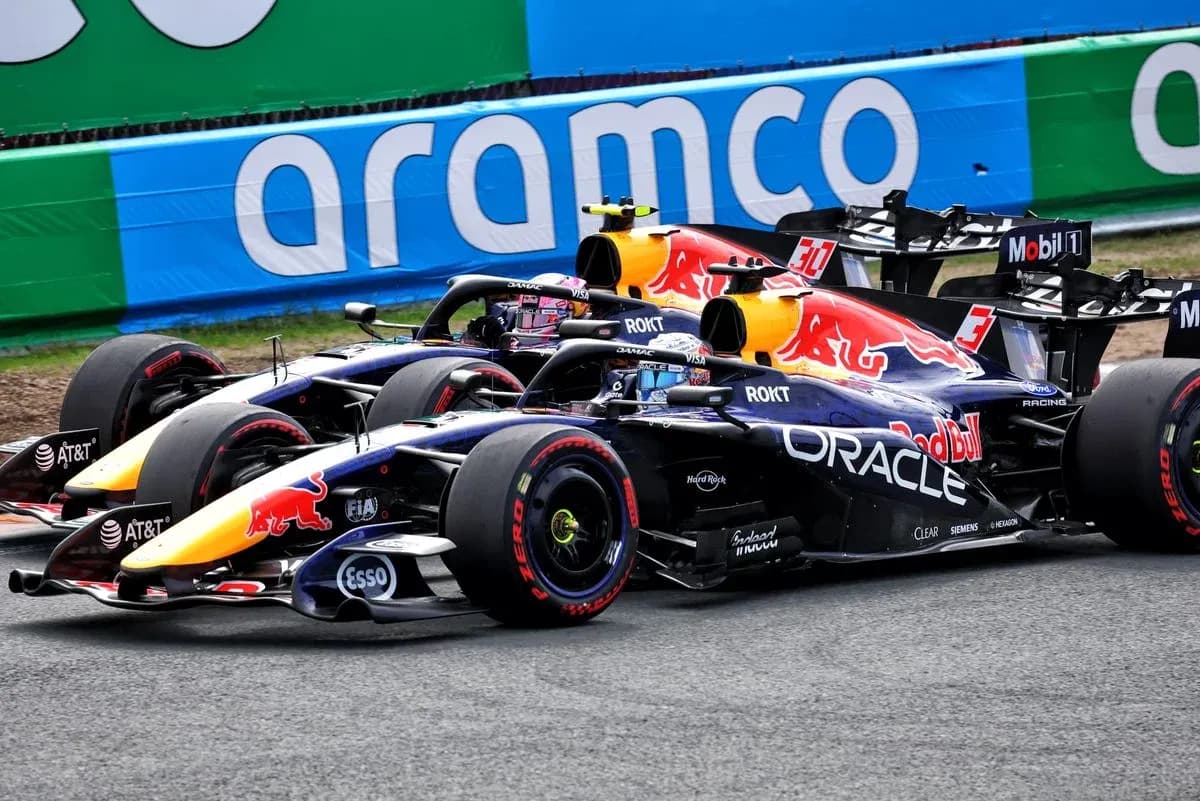
McLaren have won their appeal over the chaotic Monaco Grand Prix pit-lane penalties, in a ruling that reshapes the podium and deepens the embarrassment for Formula 1’s officiating.
The decision strips Alpine’s Pierre Gasly of the third place he inherited after his team’s successful protest against two five-second penalties. Gasly, who had crossed the line third on the road on 7 June, drops back to seventh – the position he originally held in the official classification.
The big beneficiary is Red Bull’s Isack Hadjar, restored to third and handed back what now stands as a career-defining podium. McLaren’s Oscar Piastri is moved up to fourth, another quiet gain from a race weekend that has refused to die weeks after the chequered flag.
Yet the ruling only partially cleans up a mess that never should have happened.
At the heart of the controversy lies a basic, almost unthinkable error: Formula 1’s pit lane in Monaco was measured incorrectly. With the length wrong, the system miscalculated average speeds, flagging multiple drivers for pit-lane speeding when they were, in reality, within the limit. What followed was a cascade of penalties that distorted strategy, track position and, ultimately, the result.
Several drivers were hit. Some saw their races warped in real time, others were punished again after the flag. Among the most aggrieved is Mercedes’ George Russell, who fell out of the points because he was judged not to have correctly served a pit-lane speeding penalty that, under the new ruling, he should never have been given in the first place.
The pressure for clarity grew as teams pored over data and decisions in the days after Monaco. McLaren pushed their case, Alpine fought for theirs, and the stewards were forced back into the spotlight. This latest verdict restores some competitive justice at the sharp end of the field, but it stops short of fully unpicking every consequence of the original mistake.
The result is a classification that looks closer to what happened on track, yet still carries the scars of an afternoon when the sport’s systems failed. And with drivers and teams counting the cost in lost points and lost opportunities, the question now is simple: how does Formula 1 ensure a basic error like this never reaches the grid again?