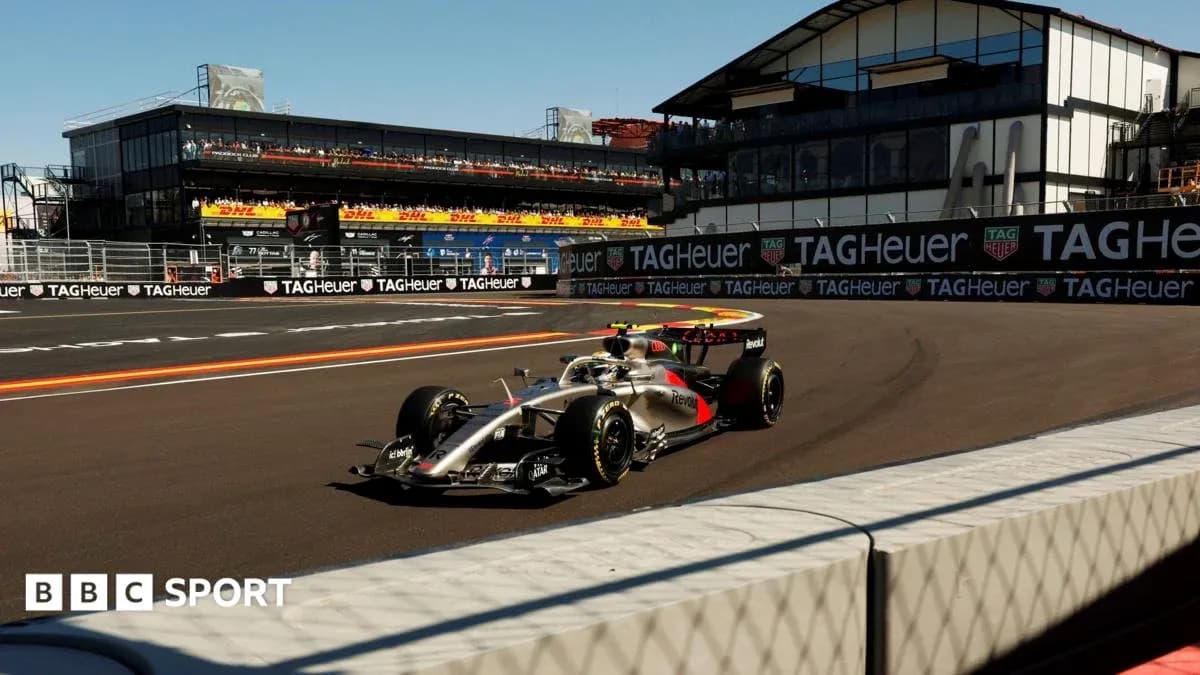
The sun is blazing over Madrid, but the new Madring circuit has a cold edge to it. High grip, high speed, and, as George Russell put it, “very high risk”. The drivers know it. You can see it in the margins they’re leaving, the corrections mid-corner, the quiet glances at the tyre sheets.
On Saturday morning, the build-up to final practice carried a clear theme: this place is fast, unforgiving, and still a mystery.
Mercedes on top, but wary
Friday belonged to Mercedes. Russell topped first practice, 0.286 seconds clear of team-mate Kimi Antonelli, as the silver cars adapted quickest to the new layout. Behind them, Ferrari and Red Bull lined up in formation: Charles Leclerc and Lewis Hamilton next, with Max Verstappen just behind.
In second practice, Antonelli hit back. The Italian rookie – chasing his more experienced team-mate in the championship by 66 points – clocked a 1:33.662 to lead the way, with Leclerc and Hamilton right on his tail. The raw speed is there. The certainty is not.
Russell didn’t sugar-coat the challenge.
“With the (tyre) deg we had in P1, a six-stop race would be the fastest way,” he said. “P2 was slightly better. I'm sure the race will be better again but that is the biggest question mark.”
The grip is enormous, but so is the punishment when the car slides. “You are sliding quite aggressively,” he explained, calling Madring “a circuit of very high risk” with “less margin than Monaco, purely because of the speed”.
The walls might sit further back than in Monte Carlo, but they seem to lean towards you as the car snaps through the fast sections. Go wide, and you’re not just brushing paint; you’re meeting concrete at an ugly angle.
Tyres tell the story
If there’s a thread running through the weekend so far, it’s rubber.
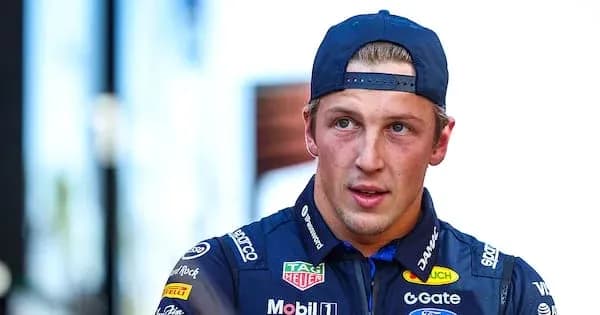
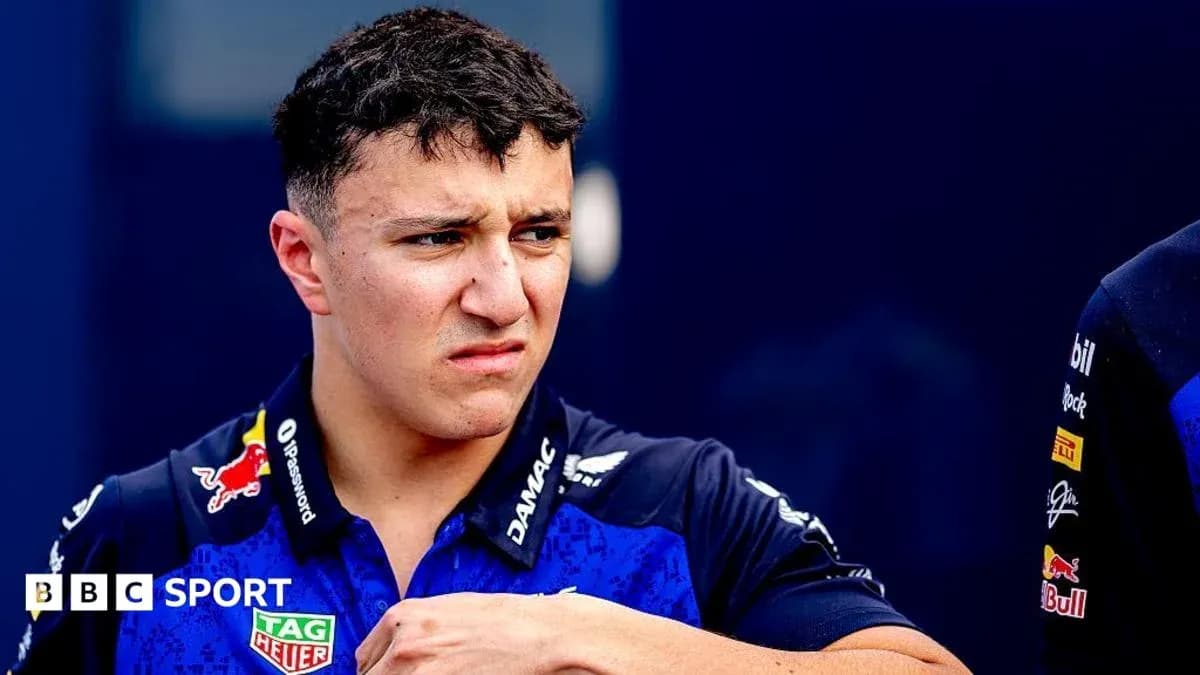
On Saturday, the tyre choices in the early running painted a clear picture. The two Audis rolled out on yellow medium tyres, a more conservative approach as the track temperature climbed. Everyone else bolted on the red softs, hunting performance and data before qualifying. Then there was Liam Lawson, stepping into the Red Bull for Isack Hadjar and going his own way on the white-banded hards.
The move paid off early. Lawson pushed the car to second fastest on the timing screens, behind Nico Hulkenberg, underlining just how volatile the order could become once fuel loads and compounds level out.
The strategic puzzle is complicated by what happened earlier in the day. In Formula 3, tyre degradation barely made a dent in the race when it usually defines it. That anomaly has not gone unnoticed in the paddock.
Alice Powell, watching trackside for BBC Radio 5 Sports Extra, pointed out that none of the frontrunners leaned on the hard compound in free practice on Friday. Mercedes focused on the mediums for their longer runs. Leclerc and Verstappen stretched the softs, a bold move that signals trust in the tyre staying underneath them over distance.
If the softs hold on here, strategy could turn on its head. If they don’t, Russell’s half-joking “six-stop race” line may not feel quite so far-fetched.
Lindblad stuck in the garage
Not everyone enjoyed a smooth start to Saturday.
Arvid Lindblad’s Racing Bulls car sat up on its stands, wheels off, mechanics working underneath. The car wasn’t going anywhere at the start of the session. Whatever the team is addressing, it’s not a quick fix.
Lindblad had been one of Friday’s surprises. He went fourth fastest in second practice before crashing at Turn 13, a reminder of how quickly this track can bite. The repairs – and any knock-on issues – now eat into precious track time on a layout that punishes inexperience.
A beautiful backdrop, a brutal circuit
Down in the pit lane, the mood is upbeat. The Madring weekend has gone down well so far. Blue skies, a still flag at the end of the pit lane, and not a cloud in sight. It’s a postcard day in Madrid.
Yet the setting is slightly surreal. The city’s famous skyline is some distance away. The circuit sits near the airport, and more than one voice in the paddock has likened it to racing around Heathrow: glamorous name, very functional surroundings.
Out on track, there’s nothing functional about the driving. The cars are on a knife-edge through the fast corners, the barriers creeping back towards the racing line. Make a mistake here, and you’re not just running wide onto generous tarmac. You’re running out of road.
Final practice, final clues
Final practice at 11:30 BST offers one last window into how this race might unfold. It is the final chance for all 22 drivers to feel out the limits before qualifying ignites at 15:00 BST.
Mercedes arrive as the benchmark, but Ferrari’s consistency and Red Bull’s underlying pace keep the picture open. Behind them, opportunists like Lawson and Lindblad, if his car is ready, will look to exploit any hesitation on a track where confidence is everything.
The question now is simple and brutal: who dares lean hardest on the car when the walls start to close in?