Mercedes have opened Formula 1’s new rules era with a ruthless title double, yet the sense leaving São Paulo is not of a sport locked into another long, grey monopoly. It feels volatile. It feels alive.
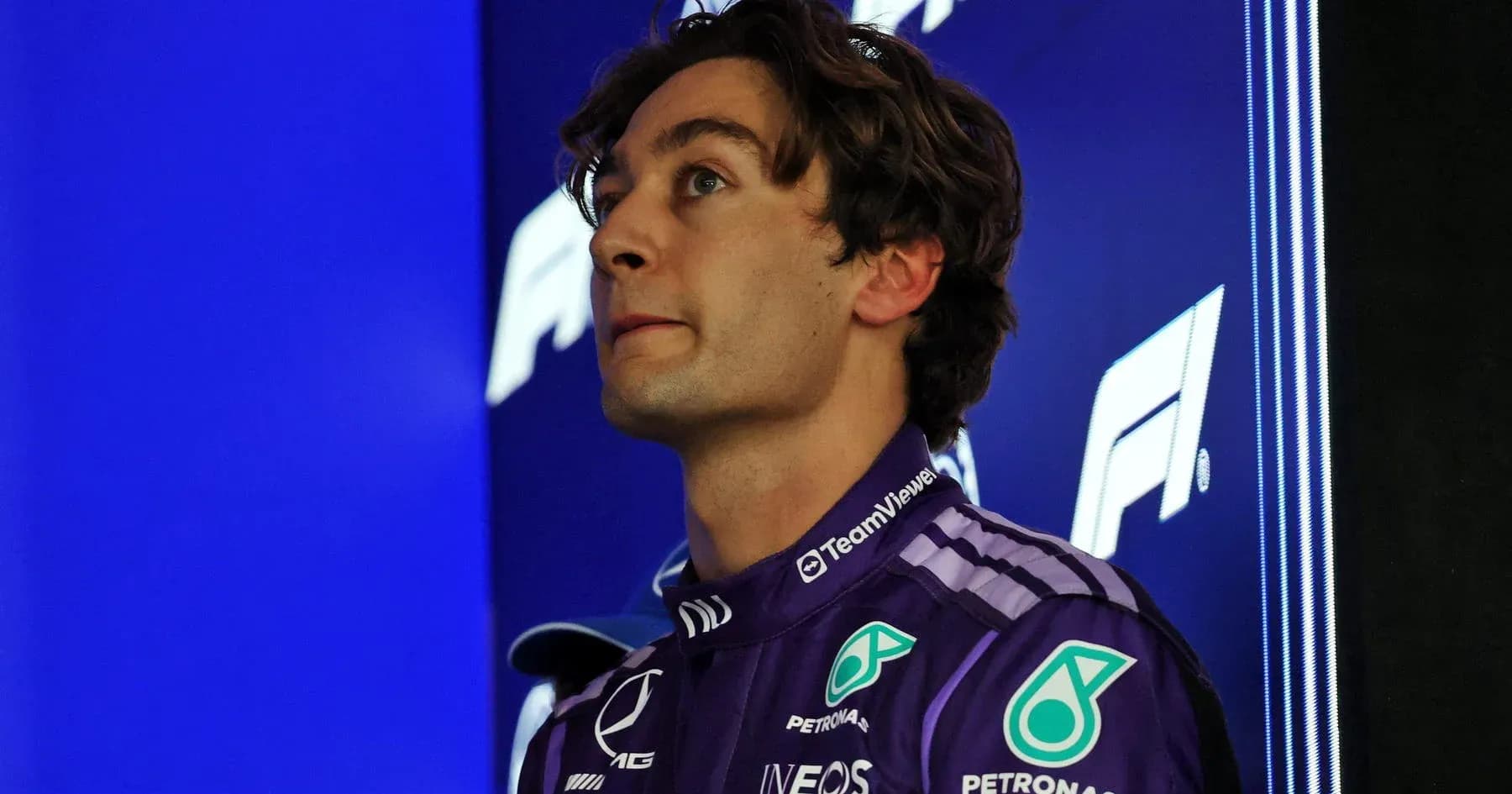
A week after Kimi Antonelli rewrote the record books in Mexico as the youngest world champion in F1 history, the Italian’s fifth place at Interlagos was enough to wrap up the constructors’ crown for Mercedes with three races to spare. Job done, mathematically. Emotionally, it was a very different story.
Lando Norris won in Brazil for McLaren. George Russell beat Antonelli to fourth. Mercedes have just one victory from the last five races. For a team that opened the year with six straight wins, this was a title clinched with a shrug rather than a roar.
The contrast with 2014, when the hybrid era began, could hardly be starker. Back then, Mercedes crushed the field with an engine so superior it underpinned eight successive constructors’ titles. They won the first six races of that season, then closed the year with seven more in a row. The only real tension came from which of their own drivers would win.
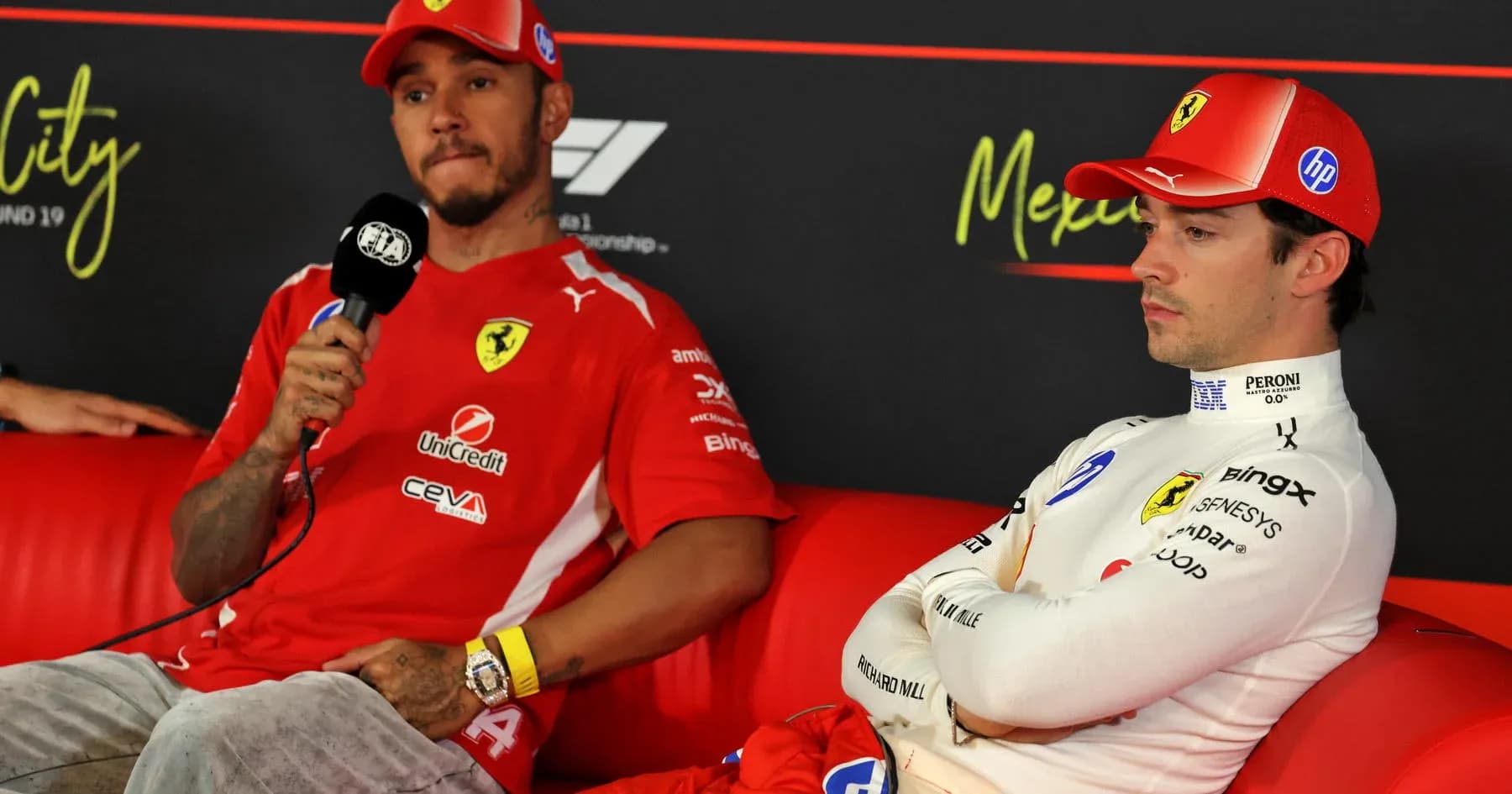
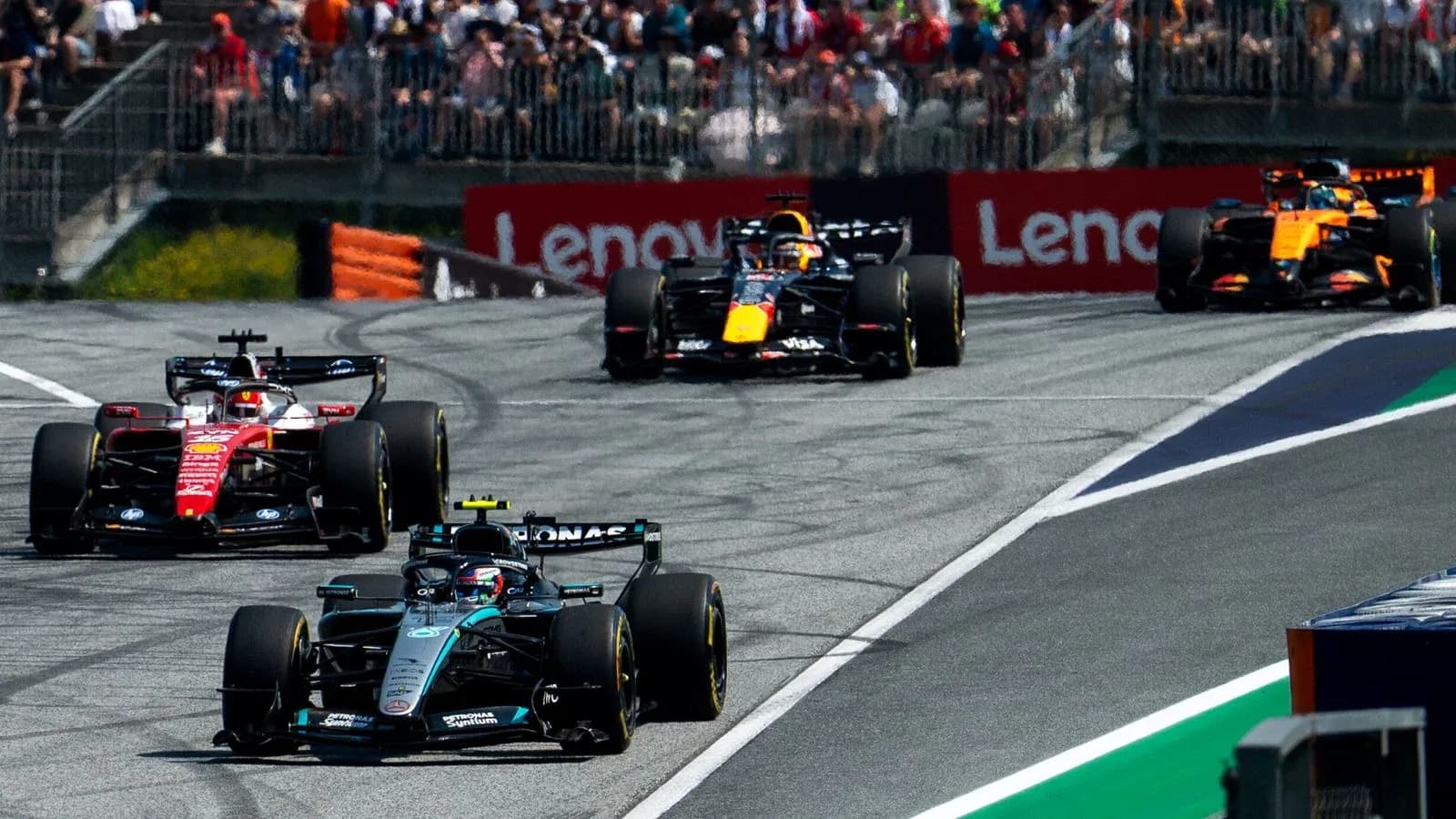
This time, the grip is looser. Since Mercedes’ early streak in 2026, the front has fractured. The champions have added six more wins, but Norris and Max Verstappen have three apiece, while Ferrari’s Lewis Hamilton and Charles Leclerc have each taken a victory and might easily have had more. Four teams. Multiple winners. No runaway.
Toto Wolff, who built the first great Mercedes empire of the hybrid age, sounded like a man who knows the landscape has shifted.
He pointed to the speed with which dominance can evaporate once an upgrade fails, to how quickly a team can tumble from untouchable to “just third on the road.” He called it good for the sport, even as he admitted he’d rather be disappearing over the horizon again. He just doesn’t believe that world exists anymore.
A new power game
The heart of Mercedes’ old supremacy lay in the power unit. In 2014, their engine was a different category, a weapon that left rivals scrambling for years. That sort of gap does not exist now.
The FIA’s in-season testing actually judged Red Bull to have the strongest engine this year – an extraordinary feat for a brand-new manufacturer operation in Milton Keynes. The verdict sparked fury and disbelief in the paddock, not least because it unlocked ADUO, a system of Additional Development and Upgrade Opportunities designed to help manufacturers more than two per cent down on the benchmark catch up.
To many, the idea that Mercedes could keep developing from a position of dominance while being told Red Bull had the best power unit felt like a distortion of reality. Yet the broader message is clear: there is no single, towering engine advantage. Red Bull’s unit sits in the same performance band as Mercedes’ rather than several steps behind it.
With Red Bull Powertrains still in its infancy, there is every reason to expect that arm to harden into a long-term force. The power battle looks like a duel, not a procession, which shifts the focus to where titles are usually decided when engines converge: chassis quality, development rate, and the drivers.
McLaren are proof that the Mercedes engine alone is not a golden ticket. They’ve already claimed back-to-back titles in 2024 and 2025 as a customer team, yet this first season of the new rules exposed the limitations of not being the works outfit.
The Woking squad have spoken about the compromises they’ve had to accept, from packaging constraints to issues like running shorter-than-intended gear ratios that cost them performance. Problems of that type are far less likely to trip up a factory team, and McLaren know it. The expectation is that they will recalibrate over the winter, refine how they integrate the Mercedes power unit and strip away those self-inflicted losses.
Ferrari, meanwhile, have spent the year a step down on power compared to Mercedes, Red Bull and McLaren. Hamilton has been blunt: closing that deficit is the Scuderia’s top priority heading into 2027. They cannot keep turning up to a four-team fight with a knife that’s just a little duller on the straights.
Points left on the table
Strip away the engines and look at the basics – execution, strategy, discipline – and there is a stack of low-hanging fruit for Mercedes’ hunters.
Ferrari’s raw speed has often put them right in the fight in Q3, only for the final laps to unravel. Misjudged strategy calls, needless penalties, and bouts of intra-team combat between Hamilton and Leclerc have shredded what could have been a formidable points haul.
Mexico was the most glaring example. A likely one-two on pace, wrecked within a few corners by a clash between their own drivers. It was the sort of self-sabotage that has haunted Ferrari’s modern history and continues to make any talk of an imminent end to their title drought feel fragile.
McLaren’s ceiling this season was also lowered by past success. The energy and resource they poured into securing the 2025 Drivers’ Championship for Norris – a battle that went deep into the year – came at a cost to their 2026 start. The opening phase of this campaign was sluggish, the car late to hit its stride.
Andrea Stella has since redirected the firepower of his technical group back towards the bigger picture. The aim is simple: make McLaren a consistent title threat again, not a team that surges only once the season has already tilted one way.
Red Bull, though, are the team that should worry Mercedes the most.
Over the last couple of years, they have turned the art of in-season development into a weapon. They started this year well off the ultimate pace; they end it with a car that many in the paddock would call the benchmark. Verstappen’s run of eight consecutive podiums, stretching back to Monza, underlines that trajectory. He nearly stole last year’s title from Norris with a late rampage. He has that look again.
Their problem has been the opposite of Mercedes’ early-season form: Red Bull have started too slowly. If Laurent Mekies can deliver a car in 2027 that is competitive from race one, not race 10, Verstappen becomes a brutal proposition over a full campaign.
Mekies’ own assessment in Brazil captured the new reality at the sharp end. Turn up at a race weekend now and you genuinely do not know which of the four big teams will win. That uncertainty used to be marketing spin. This year, it has felt true.
Have Mercedes blinked?
The one big question hanging over Brackley is whether they have simply misjudged their development path or quietly shifted their gaze to 2027 while everyone else kept swinging at 2026.
The narrative inside the paddock is straightforward: Mercedes’ major upgrade package, unleashed in Malaysia at the rescheduled Bahrain Grand Prix in early October, did not work as intended. While rivals chipped away with smaller, regular updates, Mercedes held fire and waited for a single, heavy-hitting step.
They talked up that step. They expected to reassert themselves as the clear reference. Instead, the car moved sideways. Since the new parts arrived, Antonelli has won only once – in Austin – across five races. For a team that has built its identity on relentless, data-driven improvement, the idea that a flagship upgrade could under-deliver so badly is unsettling.
If the surprise is genuine, it raises uncomfortable questions about the direction of next year’s car. How many design decisions for 2027 are already baked in based on assumptions that now look shaky?
There is another possibility. Mercedes have form for playing the long game.
In 2019, they opened the year in devastating fashion, then watched as Red Bull and Ferrari clawed back ground and fuelled talk of a tight 2020 fight. When the new season arrived, Mercedes rolled out a monster and crushed both.
It is not hard to imagine some of the current resource already flowing towards next year’s machine, especially with both titles now secured. In a cost-cap era, with a condensed competitive window, picking the right moment to pivot can decide championships before a wheel is turned.
Wolff, ever the self-described “half-empty” character, was already talking in Brazil about the next race, the next title battle, the next threat. He knows there are now three other teams with the tools, drivers and engines to hurt Mercedes over a full season.
He also knows something else: this is the kind of knife-edge environment in which legacies are either defended or dismantled.
The age of the easy Mercedes coronation is over. The next one, if it comes, will have to be earned in a fight.