What Led to Michael Carrick’s Struggles at Manchester United?
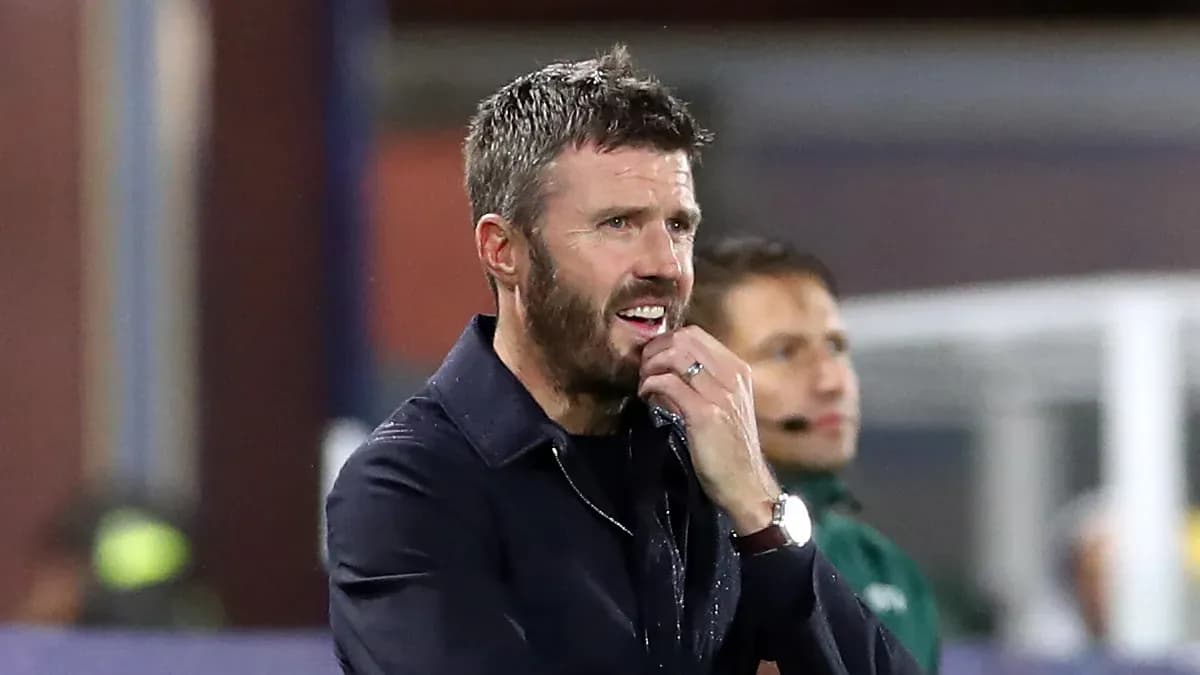
Michael Carrick appears close to losing his job as Manchester United manager after a humiliating 4-1 loss to Como in Champions League play. This defeat marked another low point in a season filled with poor results and tarnished the club's reputation in Europe’s premier tournament. After the final whistle, Carrick showed signs of regret, raising his hands towards the away fans by Lake Como.
How Did Things Fall Apart for Carrick?
This season, Carrick’s tactics have been noticeably more passive compared to his previous stint as interim manager. Last season, Man United ranked sixth in the Premier League for limiting opponents’ buildup pass completion outside the final third, according to MarkStats. Their aggressive pressing made it tough for opposing teams to advance into attacking positions. Although Ruben Amorim led the first half of that season, the defensive pressure under Carrick was still effective.
This year, the opponent buildup pass completion rate has risen to 83.1%, dropping United to 14th place in the league. This suggests they allow opponents to build attacks more easily. But the bigger problem is United’s failure to force turnovers high up the pitch. The team averages just 16.7 opposition turnovers per match in the attacking third, ranking third-worst in the Premier League and ninth-worst across Europe’s top five leagues. Simply put, United are not contesting possession enough.
Defensive Vulnerabilities
The team’s defensive record has been poor, with only one clean sheet this season against Azerbaijan’s Sabah in the Champions League opener. They’ve conceded 10 goals in seven Premier League matches without a single shutout and allowed two or more goals six times across all competitions. Despite conceding few shots—fourth-fewest in the league—the chances given are high quality, and opponents have capitalized on them consistently. After conceding four goals to Como, it’s hard to see how this defense can quickly improve.
Lack of Squad Depth
Certainly, injuries have played a part. Key players like Manuel Ugarte (ACL tear), Marcus Rashford, Luke Shaw, and Lisandro Martinez missed the Como game due to fitness issues. Benjamin Sesko also faces a long-term injury. But the bench choices illustrate a deeper issue: for the Como match, substitutes included Karl Darlow, Tom Heaton, Daniel Armer, Jayden Kamason, Jack Fletcher, Tyler Fletcher, and Tynan Thompson—all unused. Those who did enter the game were Carlos Baleba, Amad Diallo, Joshua Zirkzee, Harry Amass, and Shea Lacey. This lineup is hardly what one expects from a club with Premier League and Champions League ambitions.
New signings Andrey Santos and Youri Tielemans started but failed to impress, with Tielemans receiving criticism for underwhelming performances. Carrick managed better last season when there was less fixture congestion, but the addition of European football has pushed him and the squad to their limits.
Potential Successors to Michael Carrick
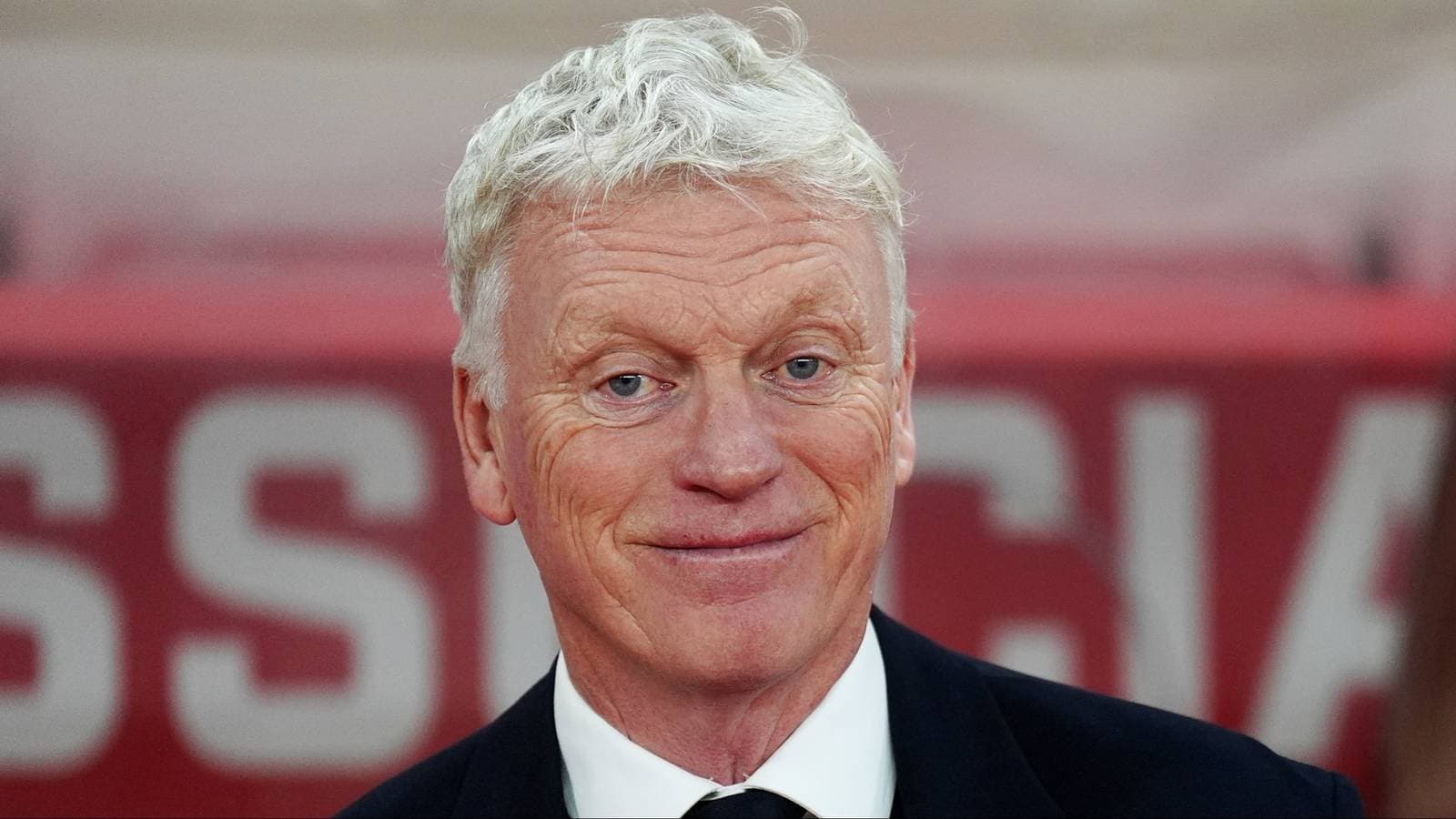
If Carrick is dismissed soon, either after the Como loss or following upcoming Premier League fixtures against Bournemouth and Chelsea, several candidates have been mentioned. Eddie Howe, currently without a club after leaving Newcastle, is a popular pick though no official reports suggest he will take over.
Other names include Antonio Conte, Julian Nagelsmann, and Kieran McKenna, each with risks. Conte left Tottenham unexpectedly due to homesickness, Nagelsmann has no experience outside Germany and was recently dismissed by the national team, while McKenna’s only managerial experience is Ipswich Town, which would make this a big step up.
Gareth Southgate has expressed no interest in club management, and Brighton’s Fabian Hurzeler is unlikely to be poached midseason given his team’s strong start.