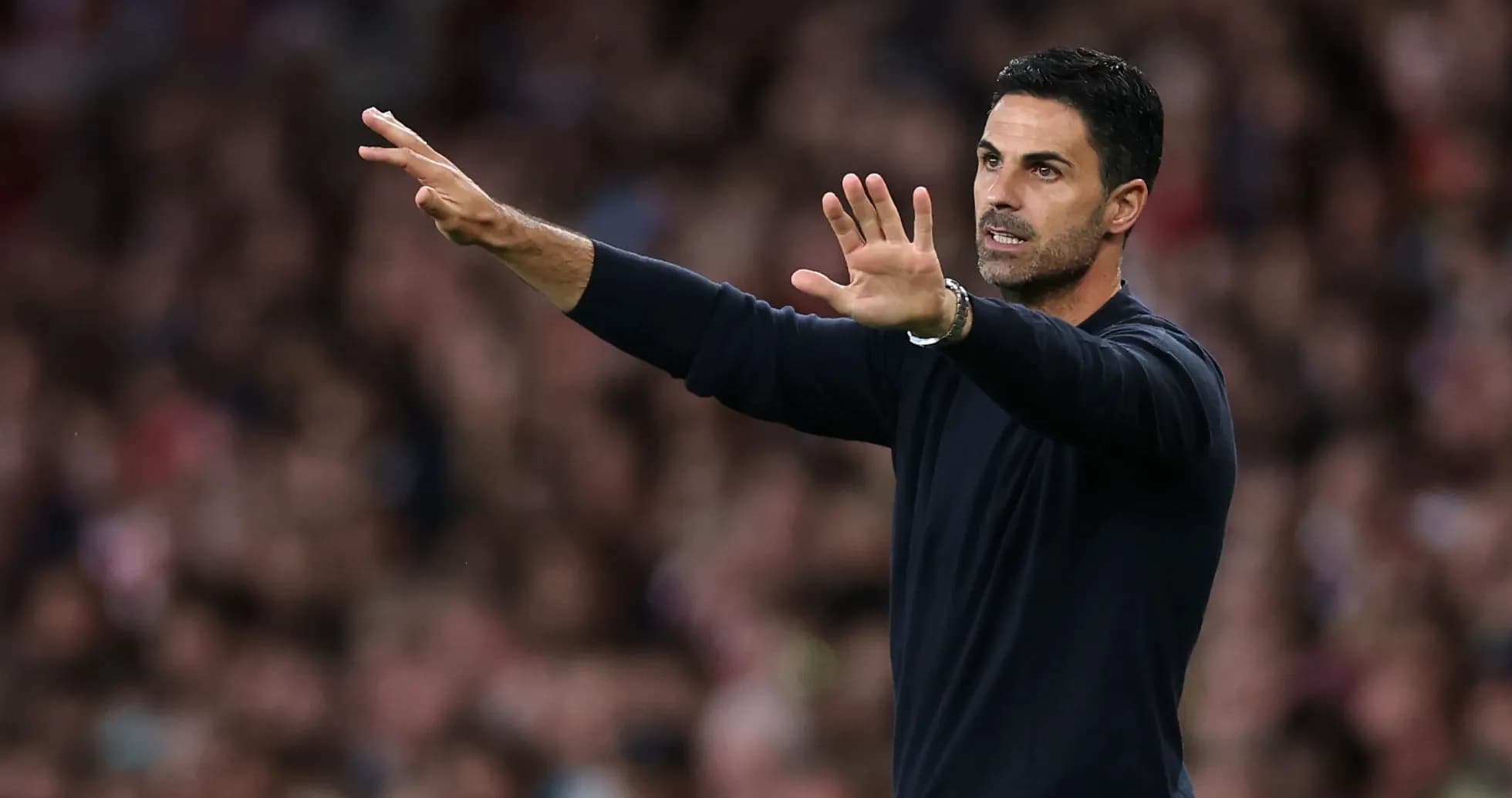
Mikel Arteta is pushing hard for change – and he wants it now.
On the eve of Arsenal’s clash with Aston Villa, the Spaniard renewed his appeal to the Premier League to expand matchday squads this season, framing it not as a tactical luxury, but as a matter of “player welfare”.
At present, managers can name nine substitutes, an increase brought in during the Covid-19 era from the previous limit of seven. For Arteta, that is no longer enough for the modern game. Not when the calendar is crammed with domestic and international fixtures, and not when top clubs carry deep squads full of internationals.
He has already felt the strain. This season, he has had to leave out big names such as Gabriel Martinelli and Gabriel Jesus from his matchday group entirely. Not just out of the XI – out of the squad. For a manager who constantly talks about unity and “everyone being involved”, that cuts against everything he is trying to build.
“That is why I have been begging Premier League officials to extend those numbers just for the safety of the players, which is the most important thing,” Arteta said, underlining that the issue goes beyond selection headaches and bruised egos.
He believes the demands of the elite level have outgrown the current regulations.
“I think every team needs more than 20 players on the pitch, ideally, to maintain the level of demand in the international matches we face, but these are the rules, and within these rules, we have to play,” he continued.
The rules might be fixed for now, but the human impact isn’t. Arteta spoke openly about the emotional toll of telling a fully fit senior professional that he will not even travel with the squad, left instead to watch from home.
Those talks, he admitted, are “difficult”. They are also frequent. Players train all week to be part of the occasion; some don’t even make the bench.
“We need to be very close to the players to explain those situations in the right way, so that everyone feels their importance, because they will indeed be important,” he said. The message is clear: being left out on Saturday doesn’t mean you are out of the project. Convincing a player of that, though, is another matter.
Arteta believes the debate should start with the dressing room itself.
“The question should be put to the players more than anyone else,” he said. “What do they want? If they say: no, I would rather stay at home, then we will have a problem because they will not like what they are doing.”
He has no doubt how most would answer. Footballers want to be in the stadium, in the warm-up, in the huddle, even if they never remove their tracksuit top.
“I am sure that if you ask the players, everyone would want to be part of the team on matchday, otherwise you would have to tell one of them that he is not even part of the matchday squad. That is extremely hard. And it will not benefit anyone.”
For Arteta, this is where the current system fails everyone involved. The club invests heavily in players it cannot even list on the teamsheet. The coach loses options and risks dressing-room frustration. The player feels detached from the collective effort.
“This does not benefit the club, nor does it benefit the assessment of the player, nor does it help them feel part of it,” he said. “In my opinion, it is a real problem and it has a very simple solution.”
That solution, in his eyes, is straightforward: lift the cap, let managers name more players, and keep the whole squad inside the tent on matchday. The question now is whether the Premier League will move quickly enough for a manager who has already said he is “begging” for change.