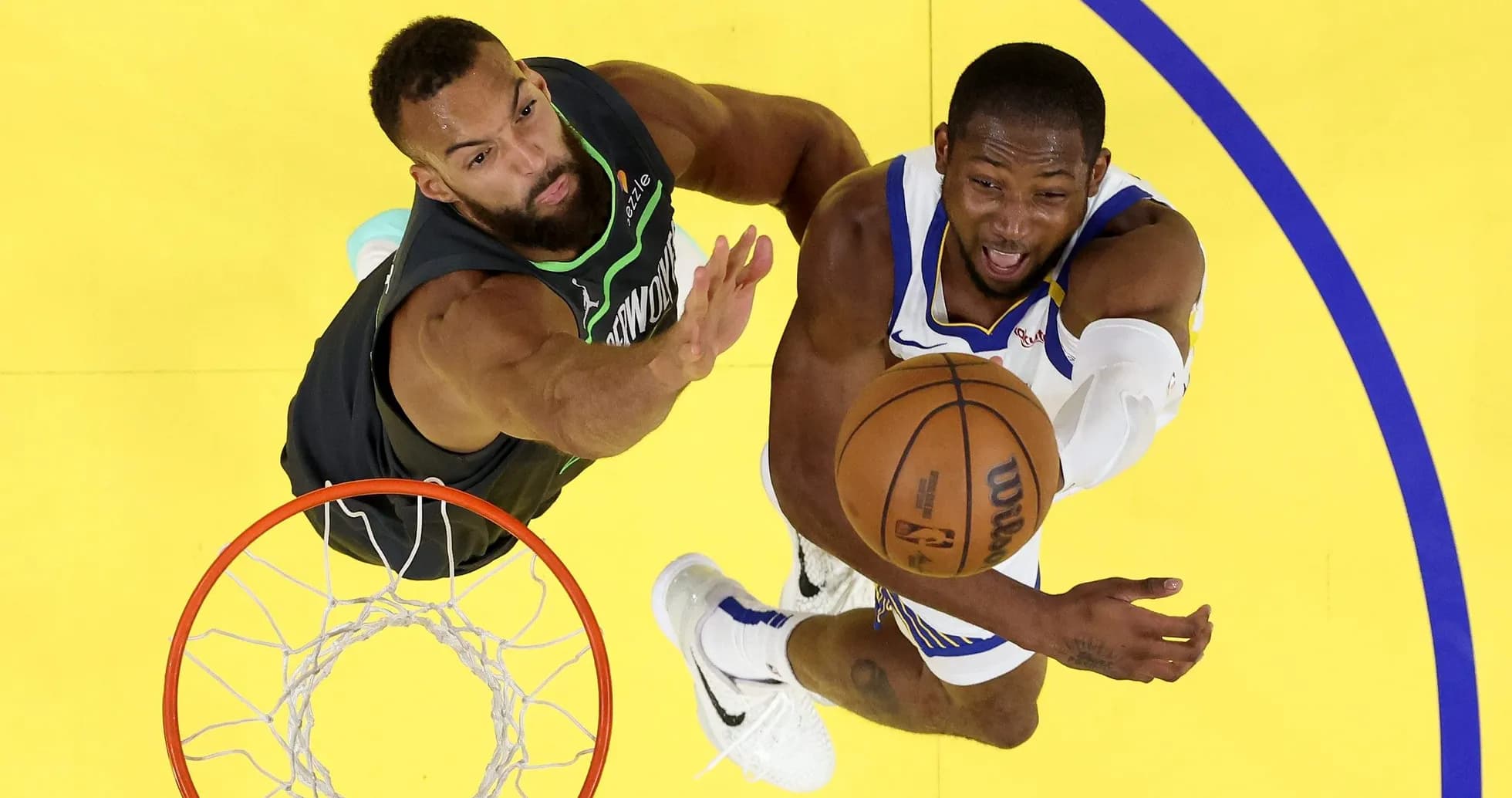
Minnesota Timberwolves' Jonathan Kuminga: The Power Forward Gamble
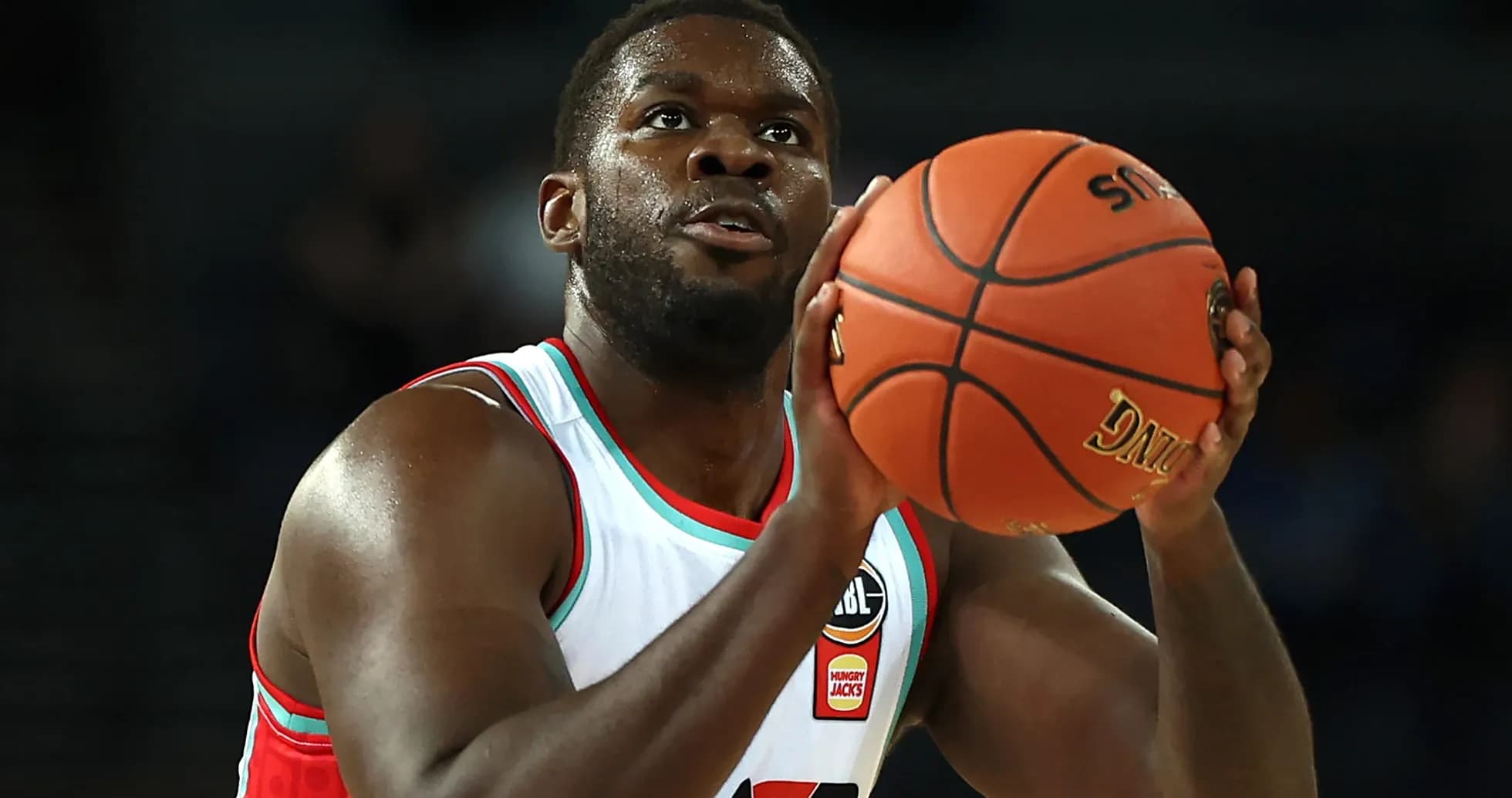
The Minnesota Timberwolves think they’ve solved their power forward problem with Jonathan Kuminga. One of the people who knows him best isn’t so sure it will be that simple.
On his podcast, The Draymond Green Show, Draymond Green applauded Kuminga’s decision to sign a two-year, $12.4 million deal with Minnesota, calling it a “great opportunity” for his former Golden State teammate. Then he cut straight to the catch.
“My only worry for JK is that if it’s not working, you’re the first plug that gets pulled,” Green said.
That’s the tension at the heart of this move. The Wolves see a starting four. Green sees a starter with bench money in a league where dollars often dictate patience.
Starter in Paycheck Only?
Minnesota plans to roll out a flashy, modern starting five: LaMelo Ball, Anthony Edwards, Jaden McDaniels, Kuminga and Rudy Gobert. It’s a group built on star power, length and explosive scoring.
It’s also built on wildly different financial tiers.
Kuminga will earn roughly $6 million this season, a fraction of what the rest of that lineup takes home — and less than some of the players Chris Finch will bring off the bench. Green didn’t question Kuminga’s ability to hang with that group. He questioned how long the organization will ride with him if the fit looks clunky.
“A $6.5 million salary in the NBA is a bench-role salary,” Green said.
That single line cuts to the heart of roster politics. Teams rarely yank stars on max or near-max deals out of marquee roles. Too much money, too much pride, too much organizational capital attached. The mid-tier guys, the “value” contracts? They’re the ones who usually move first when a coach starts shuffling lineups.
Ayo’s Money, Kuminga’s Risk
Minnesota’s own roster offers a sharp example.
Ayo Dosunmu, a revelation after arriving from Chicago in February, cashed in with a five-year, $112 million contract this summer. He averaged 14.8 points last season and delivered a signature 43-point playoff eruption against Denver. He played his way into the Wolves’ long-term plans and got paid like it.
Now, with Kuminga stepping into the starting four spot, Dosunmu is expected to slide into a sixth-man role — while carrying an average annual salary of $22.4 million, more than triple Kuminga’s paycheck this season.
No one is suggesting Finch will sit in his office with a spreadsheet and set his rotation by salary column. But Green’s point isn’t about Xs and Os. It’s about investment. If Minnesota needs to tweak something, the player on the cheapest deal is usually the easiest to move down the pecking order.
Edwards, Ball, Gobert, McDaniels, Dosunmu — the franchise has committed major money and years to that core. Kuminga, on a short, team-friendly contract with a player option for 2027-28, doesn’t carry the same financial gravity. If the starting unit sputters, he becomes the most convenient lever to pull.
Which is exactly why this season matters so much for him.
A Gamble Both Sides Need
Green’s critique doesn’t come from a place of doubt in Kuminga. It comes from experience.
He was one of Kuminga’s loudest advocates in Golden State, pushing for the young forward to get more runway, more responsibility, more trust. He understands why Kuminga had to stop chasing the big number that never quite arrived and instead hunt for a situation that could reset his value around the league.
Minnesota offers that stage.
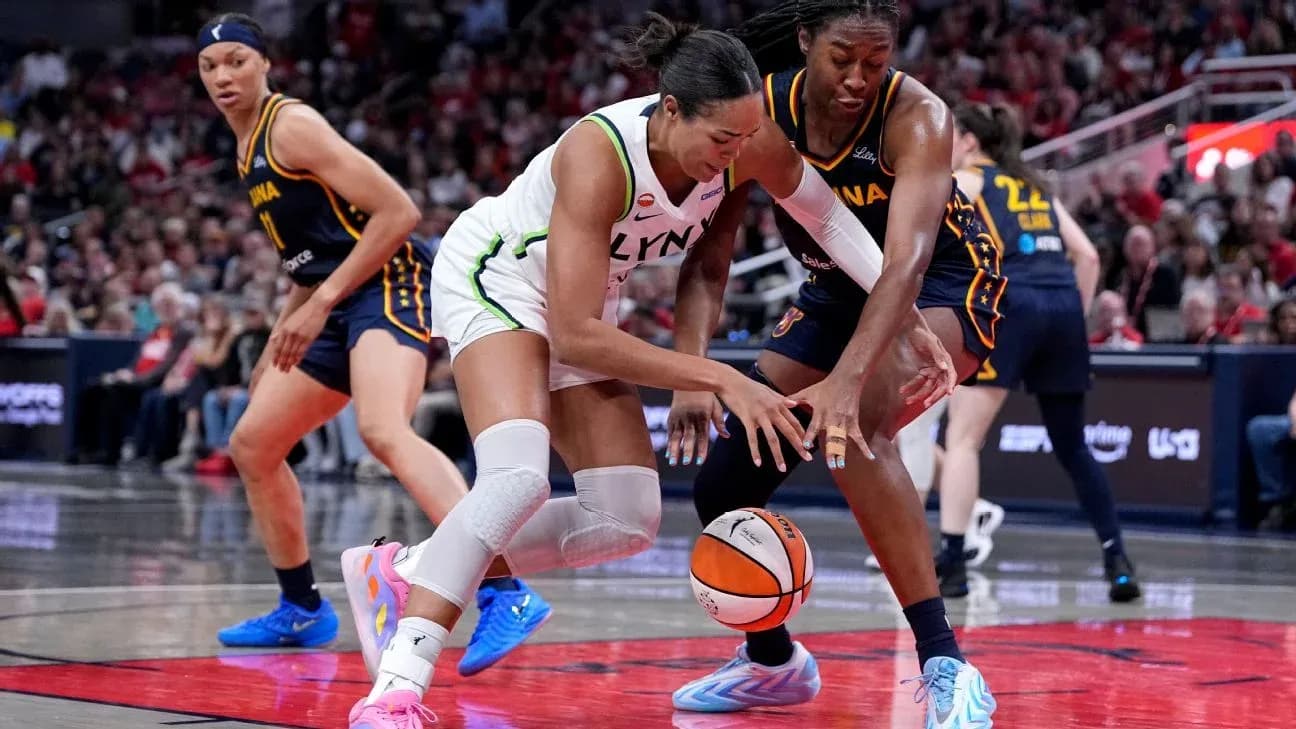
The Wolves blew open their power forward spot by moving on from Julius Randle and Naz Reid in an offseason overhaul. They wanted to get younger, more dynamic, more in sync with a roster now built around Edwards’ superstar rise and Ball’s playmaking. Kuminga’s athleticism, his ability to run, switch and finish, fits that vision cleanly on paper.
And the Wolves have already seen what he looks like when the reins loosen.
When Stephen Curry went down in Golden State’s 2025 playoff series against Minnesota, Kuminga’s role expanded and his production spiked. He averaged 20.8 points on 54% shooting in that series, attacking the Wolves’ defense with a confidence that turned heads. Green believes that stretch stuck with Minnesota president Tim Connelly — and with Edwards, who watched it unfold up close.
“I think it’s a great opportunity for JK,” Green said.
The Wolves clearly agree. At roughly $6 million this season, Kuminga is one of the league’s purest upside bets. If he turns his flashes into nightly reliability, Minnesota will have a starting-caliber forward on a bargain deal, freeing up flexibility elsewhere on the roster.
But every bargain has a flip side.
Kuminga’s contract makes him one of the NBA’s most intriguing value plays. It also strips away some of his protection. If the fit isn’t seamless, if the starting five doesn’t click, the cheapest starter on the floor becomes the easiest experiment to end.
For a player chasing the long-term deal that slipped through his fingers this summer, that’s the tightrope: prove you’re a cornerstone, while knowing you’re the first piece they can afford to move.