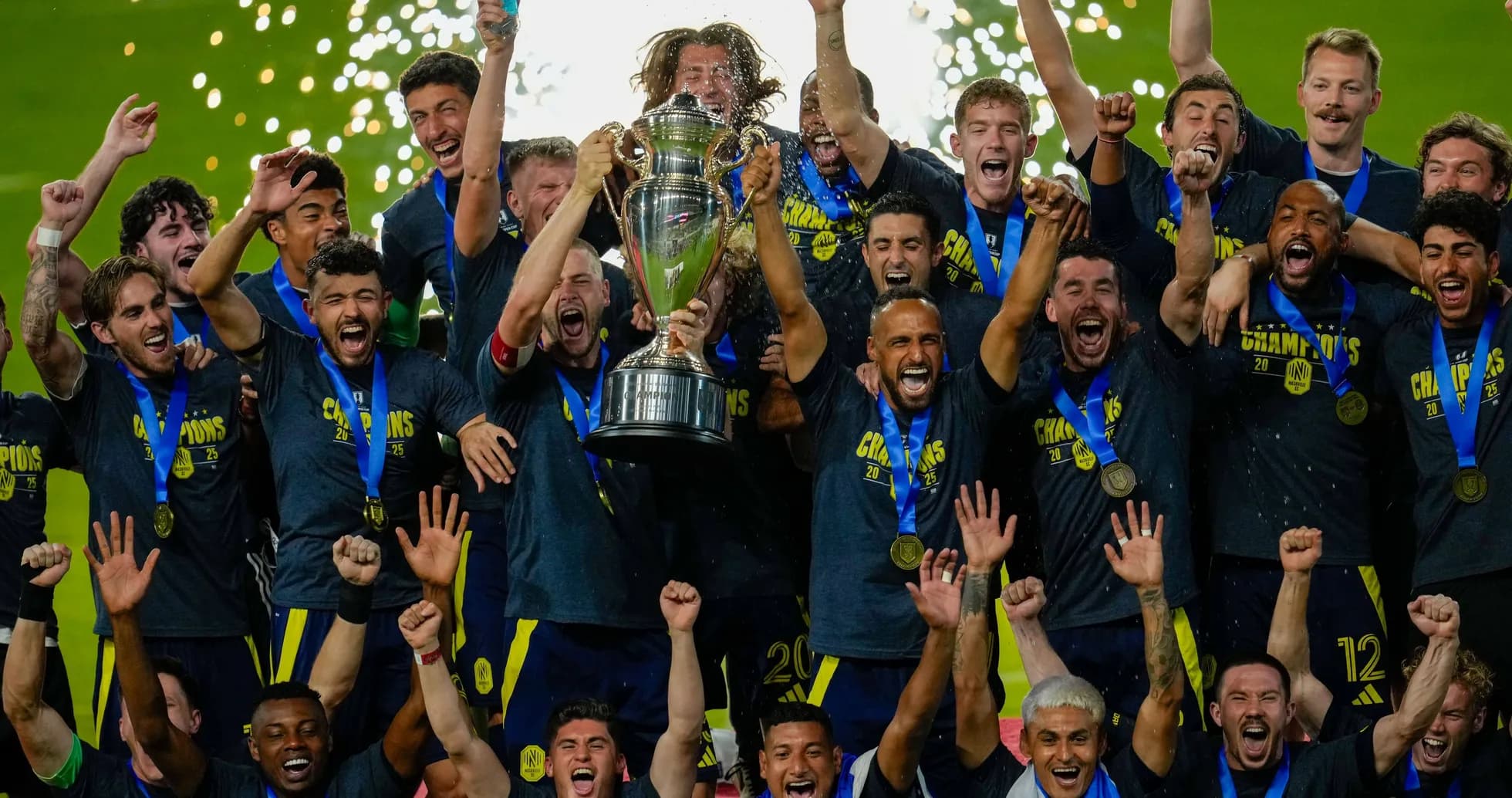
MLS is heading back to the U.S. Open Cup – and this time, it’s all in.
After a year on the sidelines, the league’s first teams will re-enter the competition in the round of 64, slated for mid-July, restoring a traditional pillar of the American soccer calendar that many supporters felt had been carelessly kicked aside.
MLS returns – on its own terms
The format gives MLS clubs a clear advantage: they’ll host those round-of-64 ties. For lower-division sides and amateur outfits, that means trips into MLS stadiums, into bigger crowds, brighter lights, and the kind of stage that can define a season or a career.
It’s a sharp pivot from 2023, when MLS walked away from the tournament, blaming fixture congestion. The league argued its calendar was already buckling under the weight of regular-season games and the newly expanded Leagues Cup, and floated a compromise: send MLS Next Pro teams, essentially reserve sides, in place of the first teams.
That idea was rejected. The message from the broader American soccer landscape was clear enough: the Open Cup is supposed to be the real thing, not a testing ground.
Fans pushed back – hard
The backlash never really cooled. Supporters across the league lined up against the decision, but the anger in some markets burned hotter than others. In Seattle, where the Sounders have long embraced the Open Cup as part of their identity, fans made their feelings unmistakable. Some boycotted Leagues Cup matches, accusing MLS of abandoning a century-old domestic cup in favor of a newer, more lucrative competition.
The optics were brutal: a historic, open tournament sidelined just as a made-for-TV summer showcase ballooned in size. For many fans, it felt less like scheduling management and more like a value judgment.
Now, with MLS back in the bracket, those same supporters get at least part of what they wanted: meaningful knockout nights against teams from every rung of the pyramid.
A boost for USL and the amateur game
The decision doesn’t just rescue MLS’s relationship with the Open Cup. It also hands a timely lift to USL and the amateur ranks.
USL is on the brink of its own transformation. The league is set to attain Division I status in 2028 and plans to roll out a promotion-relegation system that same year – a structure MLS has consistently resisted. In that context, a fully stocked Open Cup, with MLS first teams in the mix, becomes even more valuable: a shared competitive stage where the country’s parallel systems collide.
Each year, 32 amateur clubs step into the tournament, carrying local stories and tiny budgets into a national spotlight. With MLS back at full strength, their potential rewards grow: bigger away days, bigger gates, bigger upsets.
The romance of a Sunday-league veteran or a college standout walking into an MLS stadium and knocking out a top-flight side remains one of the Open Cup’s great selling points. That possibility just became more vivid again.
A century-old competition still standing
For all the drama of the last few years, the competition itself has kept moving. The 2026 edition is rolling on with familiar power at the top: four MLS clubs have reached the semifinals and will fight for a place in the final on Sept. 14.
It’s a reminder of how deeply the tournament is woven into the fabric of the sport in the United States. The U.S. Open Cup has existed in one form or another since 1914, surviving wars, league collapses, and repeated reinventions of the domestic game.
Now it faces a new era, with MLS back in the draw, USL pushing toward the top tier, and amateur sides still dreaming of the next giant-killing night. The bracket will fill again in July. The question is simple: who’s ready to embrace what this old cup still demands?