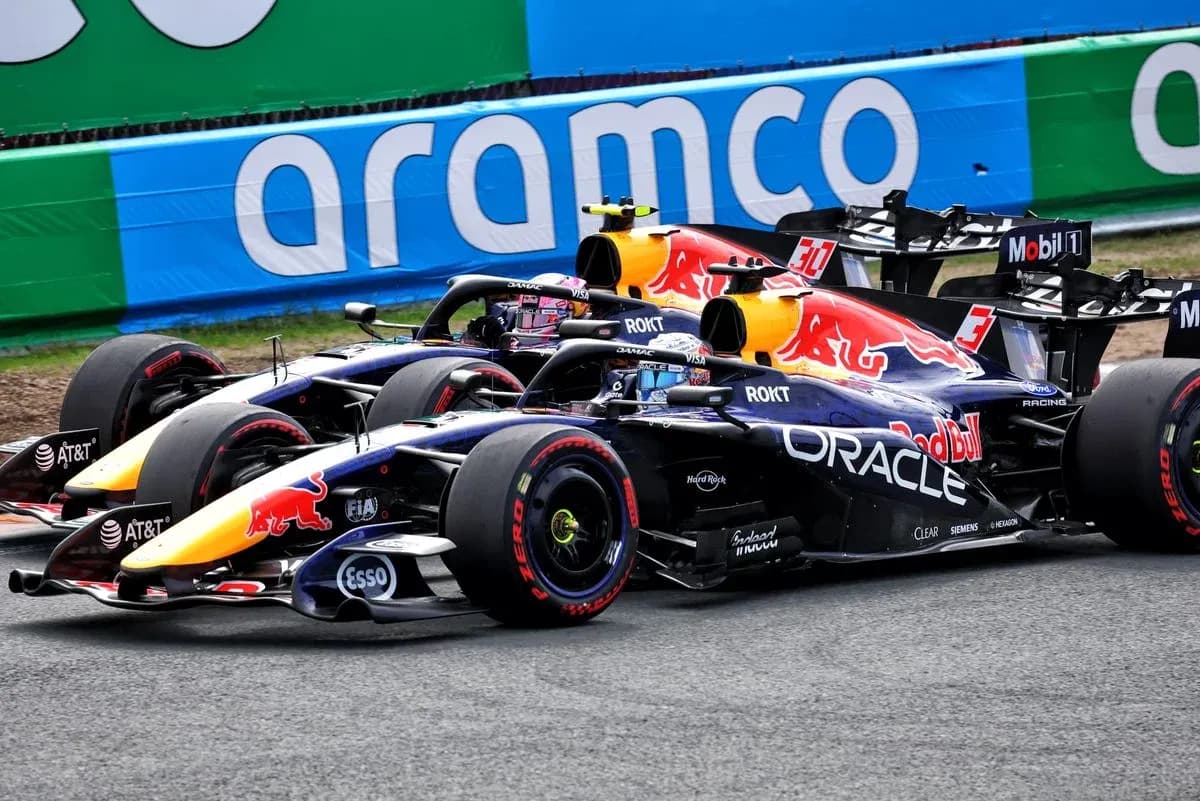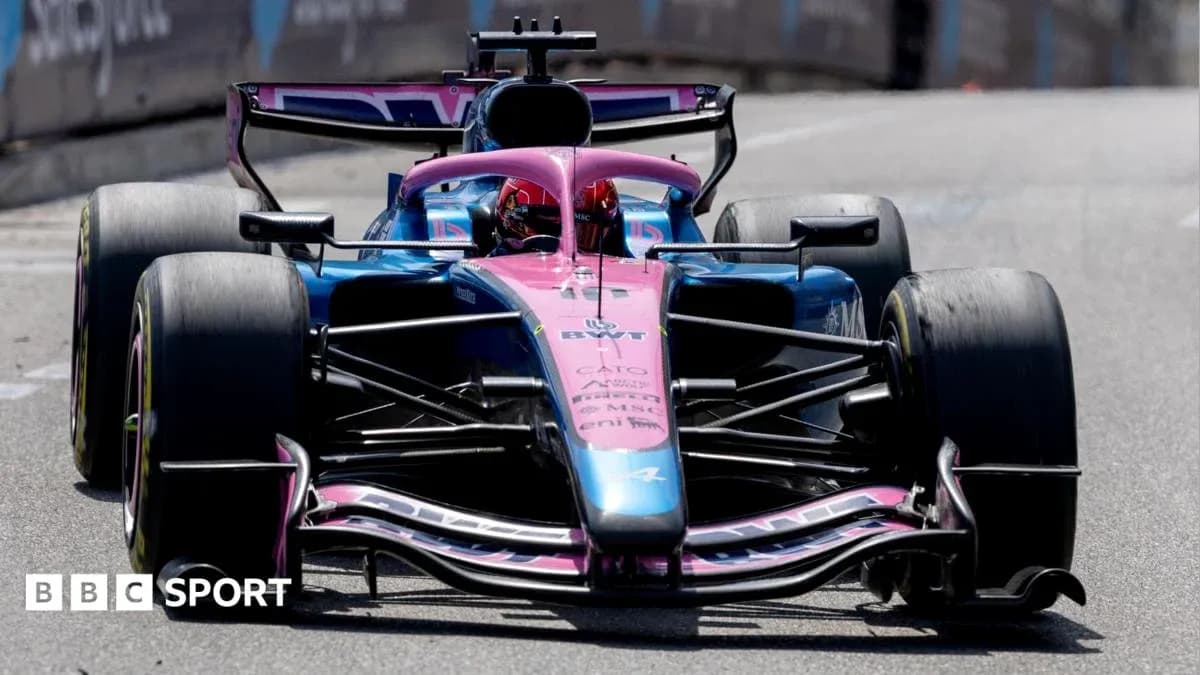
McLaren and Red Bull have won their fight over the chaotic Monaco Grand Prix pit-lane penalties, ripping up the reshuffled result and knocking Pierre Gasly off the podium he thought he had reclaimed.
The ruling from the FIA’s court of appeal restores Isack Hadjar to third and Oscar Piastri to fourth, with Liam Lawson and Arvid Lindblad promoted to fifth and sixth. Gasly, who finished third on the road that Sunday in Monte Carlo, drops back to seventh – exactly where he had originally been classified.
A 77-centimetre storm
All of this stems from a strip of tarmac in the pit lane and a discrepancy of just 77 centimetres.
Officials had used an officially measured pit-lane distance to calculate whether drivers had exceeded the speed limit. After the race, it emerged that the true shortest legal route a driver could take through the lane was slightly shorter than that official distance.
That difference became crucial.
Alpine successfully argued at their initial appeal that, using the newly identified shorter line, Gasly had not actually exceeded the pit-lane speed limit. Two five‑second penalties were overturned, and with them came a belated podium for the Frenchman and the team.
But the victory never felt secure. McLaren and Red Bull were waiting.
Sporting fairness at the heart of the case
McLaren went back to the court, backed by Red Bull, arguing that the sport could not simply change the measuring parameters after the race and rewrite the results on a new basis. Piastri had been one of the drivers who did serve a five‑second pit‑lane speeding penalty, costing him two points. Others, like Mercedes’ George Russell, were also dragged into the mess – Russell even dropped out of the points for not correctly serving a pit‑lane speeding sanction.
The appeal judges agreed with McLaren and Red Bull.
The court ruled that once teams and drivers had been informed of the parameters for measuring the pit-lane limit, those parameters could not be altered mid‑weekend or retrospectively. The existence of a potentially shorter route did not invalidate the official F1 measurement in use during the event.
The key line from the judgment was stark. After the race, officials concluded a shorter line was possible, but, the court said, “what sporting fairness absolutely precludes is the retrospective replacement, after competitors have calibrated and competed against it, of the common event-wide calibration parameter itself by a different geometric or measurement approach for the purpose of re-adjudicating an individual competitor's result”.
In other words: you cannot change the ruler after the race and then re-mark everyone’s homework.
Winners, losers, and lingering frustration
The decision restores the original competitive order at the front: Hadjar back to third, Piastri to fourth, Lawson and Lindblad each gaining a place. Gasly, the man at the centre of it all, falls back into the pack.
The wider field, though, remains scarred by the confusion. Multiple drivers saw their races shaped by pit‑lane speeding calls and how those penalties were served. The court’s verdict resolves the legal argument but does not untangle every sporting consequence for those who lost points or track position on the day.
Alpine made their displeasure clear in a statement. The team insisted it “fully maintain[s] that car 10 (Gasly) did not exceed the pit-lane speed limit at any point during the race”, and said it felt “unjustly punished”. Yet it also conceded the fight is over, acknowledging the panel’s decision and turning its attention back to the championship battle.
For McLaren and Red Bull, this is a win for process and principle as much as for points. For Alpine and Gasly, it is a bitter reminder that in modern Formula 1, the stopwatch is no longer the only thing that decides who stands on the podium.