The Temple of Speed turned into the temple of paperwork. While the Formula 1 paddock at Monza buzzed with the usual noise of engines and tifosi, an old ghost from early June finally received its verdict: the Monaco Grand Prix result was changed once again.
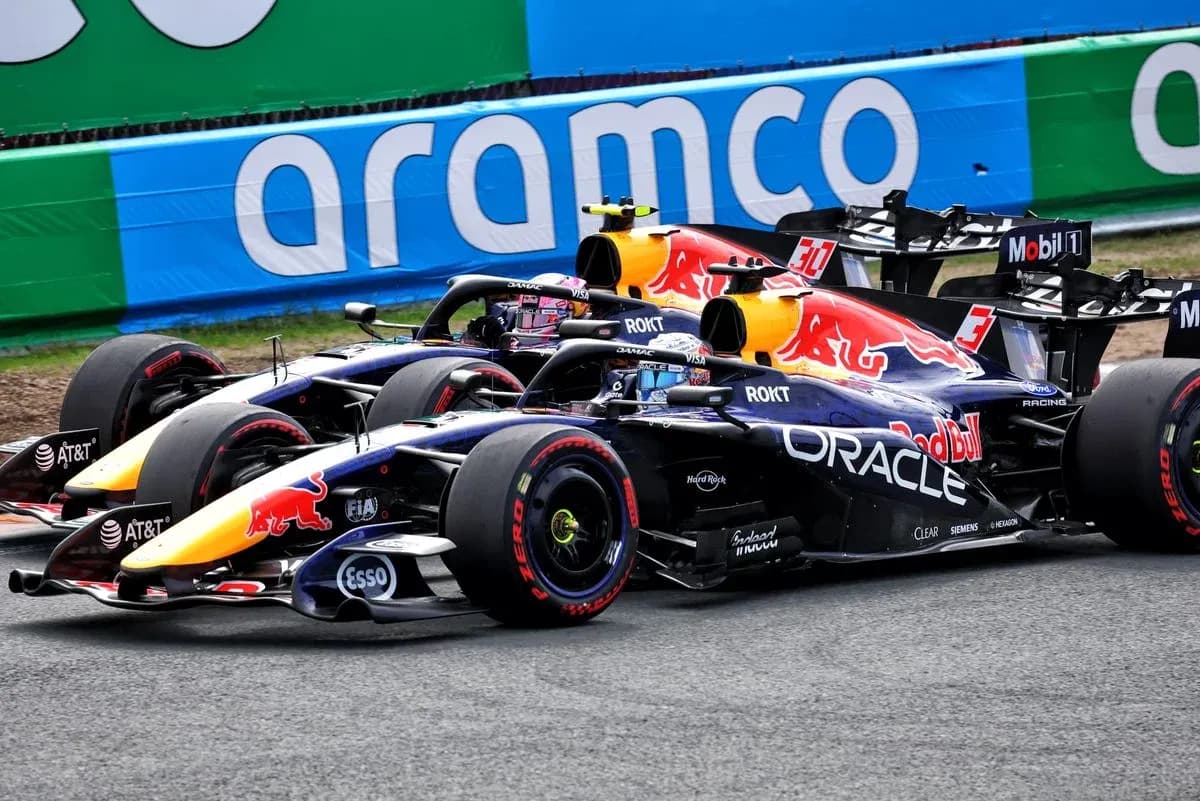
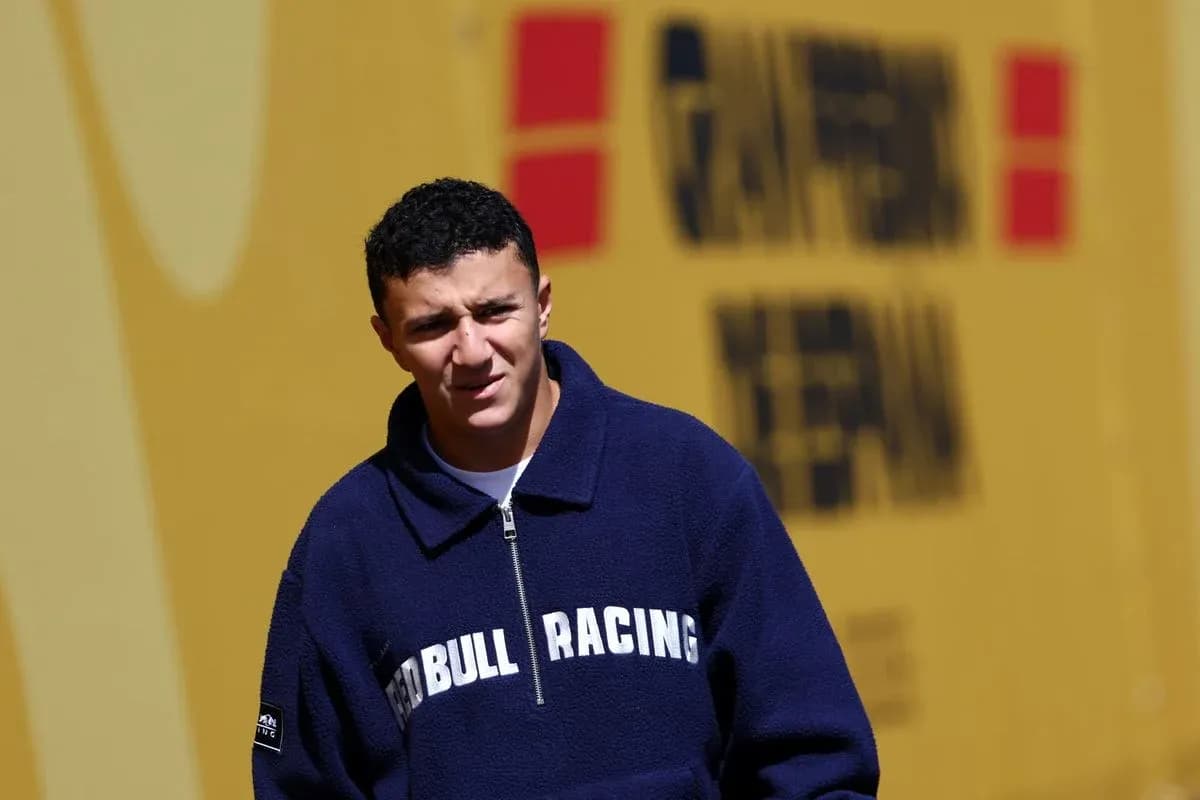
Nearly three months after the chequered flag in Monte Carlo, officials confirmed that Pierre Gasly has lost his podium – again – and Isack Hadjar has been promoted to third for Red Bull Racing. Gasly had originally finished third, then dropped down the order after a pit-lane speed-related time penalty, only to reclaim the podium following an initial protest. Now, after lengthy deliberations over speed measurements and procedure, that place has been stripped from him once more.
A saga that refused to die has been dragged back into the spotlight on a different continent, at a different circuit, long after the champagne dried. And just as the sport tried to close one chapter, another dispute opened on Sunday evening in Italy.
Audi furious after Monza restart call
This time, the storm centres not on a penalty, but on the absence of one.
Audi left Monza empty-handed. Yuki Tsunoda, drafted in at Racing Bulls in place of Liam Lawson – who himself was standing in for Isack Hadjar at Red Bull Racing – crossed the line in tenth, claiming the final point. Behind him, in 11th and 12th, came the two Audi cars of Gabriel Bortoleto and Nico Hülkenberg. One place higher, and Bortoleto would have been on the scoreboard.
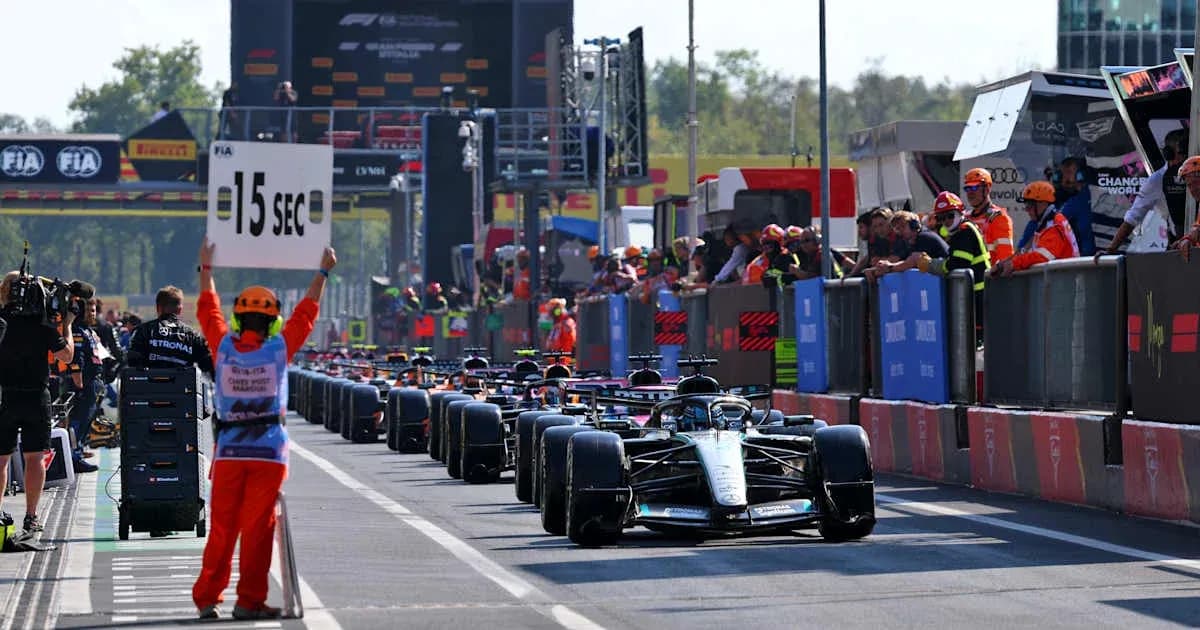
The flashpoint came at the restart after Charles Leclerc’s crash and the subsequent red flag. As the field rolled back out to form up on the grid, Tsunoda made a mess of his approach to his starting slot. His grid box was on the right-hand side, but he initially lined up on the left. Only late did he jink across, ending up slightly skewed in his correct box.
Race director Rui Marques took no chances. He aborted the start and ordered another formation lap.
That decision triggered an investigation into Tsunoda for a possible breach of the starting procedure. The regulations are clear on one point: if a driver is deemed to have caused an extra formation lap, they are required to start from the pit lane. Tsunoda did not. No instruction came from race control, and when the race finally restarted, he took up his normal grid position.
The stewards then chose not to impose any penalty. Their reasoning, in essence: Tsunoda and his team had not been informed that he was considered the cause of the additional formation lap, and his position in the grid box was not officially classified as incorrect. The extra lap, they argued, had been ordered for safety reasons and in good faith, not as a direct sanction against a specific driver.
For Audi, that explanation did not wash.
A protest on the clock
Within the one-hour window after the race, Audi lodged a formal notice that it is considering a protest against the Italian Grand Prix result. That move doesn’t yet mean a full appeal, but it keeps the door wide open. From Sunday evening, the team has 96 hours to decide whether to press ahead or quietly drop the matter.
If Audi go all the way and the protest succeeds, the consequences are clear enough. Tsunoda would face a retrospective time penalty. In similar cases, a stop-and-go penalty converted after the race is typically applied as 30 seconds added to the final time.
That would drop the Racing Bulls driver out of the points. Bortoleto and Hülkenberg would each move up one position, and Bortoleto would inherit the final point-paying place.
So Monza, a circuit built on pure speed, could once again see its final story written not by lap times, but by lawyers and stewards. After Monaco’s long-running wrangle and now this looming Audi challenge, one question hangs over the paddock: how many races this season will be decided long after the cars have gone silent?