The 2030 World Cup is still six years away, but the battle for its biggest night has already gone public.
On one side, Morocco – ambitious, building big, and eager to crown its co-hosting role with the final in Casablanca. On the other, Spain – newly crowned world champions and convinced the showpiece belongs on Spanish soil. In the middle sits Fifa, silent for now, while political and sporting leaders trade pointed messages.
Prime minister reins in federation chief
The flashpoint came in Morocco, and it was political, not sporting.
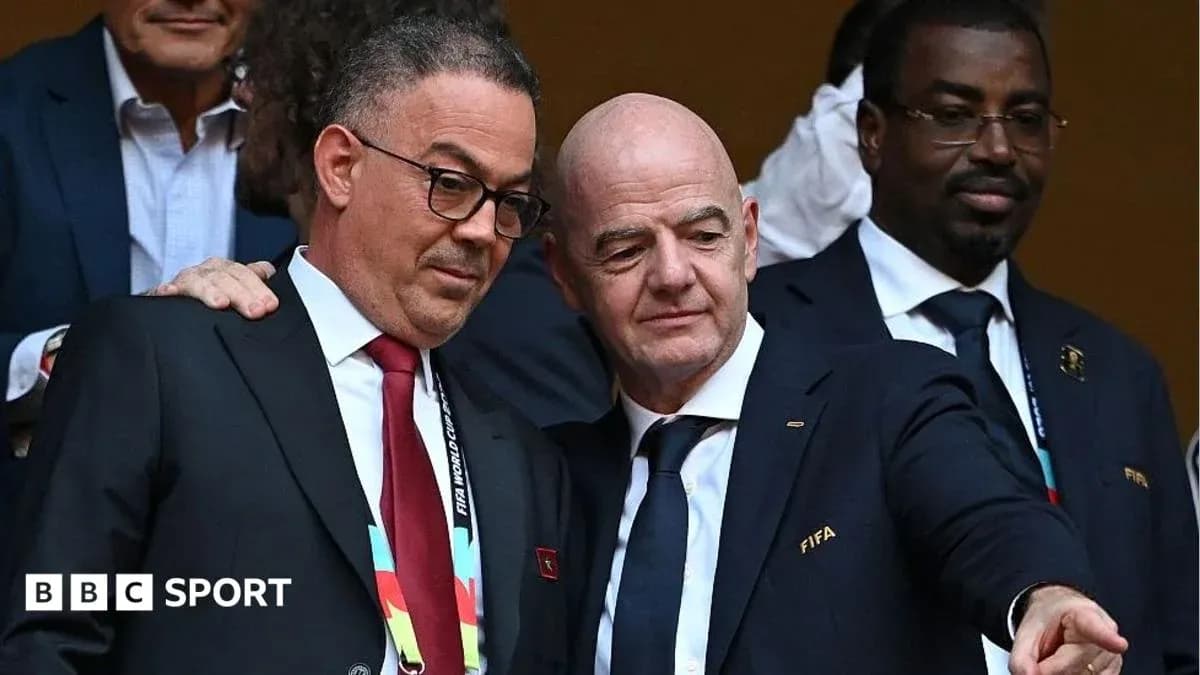
Fouzi Lekjaa, president of the Moroccan football federation (RMFF), had declared at a political party event that Casablanca would have the “honour” of hosting the 2030 World Cup final. It was a bold line, and it landed badly with the country’s prime minister.
At a rally, Aziz Akhannouch publicly told Lekjaa to stop making such promises before talking to Morocco’s co-hosts, Spain and Portugal.
“Do not offer to host the big final game in Morocco while we still have not discussed the matter with our allies, Spain and Portugal,” Akhannouch said, in a rare and very visible rebuke of his own federation chief.
Then he went further.
“There should be some respect, brothers. Stop using electoral promises to pull the rug out from under us. These are huge matters. Deciding where the final will be held is a major issue."
In one short intervention, the prime minister exposed the tension between political optics at home and diplomatic realities abroad. Lekjaa’s confident claim suddenly looked less like a done deal and more like a campaign line that had gone too far.
Fifa, for its part, stayed firmly on neutral ground, stating only that “a decision will be made in due course”.
Spain pushes its claim – as world champions
While Morocco’s leadership argues in public about tone and timing, Spain has adopted a different strategy: calm certainty.
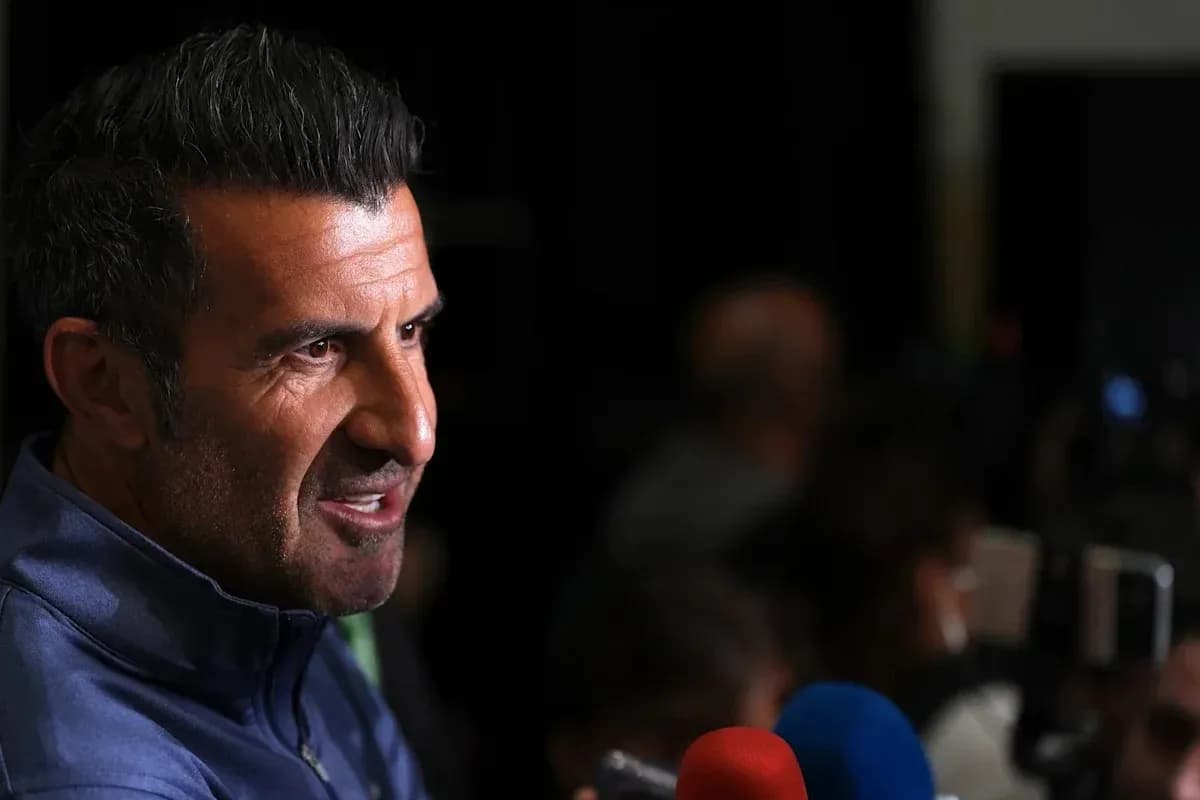
Rafael Louzan, president of the Spanish football federation (RFEF), has already said he believes the final will be held in Spain – and insists recent success only strengthens that case.
“Even though no decision has been taken, I believe Spain is the place because it cannot be any other way,” he told Cadena SER. “As you know, we are currently world champions.
“I believe Spain’s organisational capacity for major events is beyond question and that is why reality dictates that the grand final cannot and must not be held anywhere other than in Spain.”
Spain beat Argentina to win this year’s World Cup in July, claiming the trophy for the second time. That triumph has fed a growing sense in Spanish football that the country should not just share 2030, but own its defining moment.
History offers a reminder that nothing is guaranteed. New Jersey was only confirmed as host of the 2026 World Cup final in February 2024, just two years before the tournament. For 2030, the decision could arrive late again – and the lobbying has clearly already started.
Stadiums as statements
Behind the political speeches lies concrete, steel and capacity numbers. The stadium race is as symbolic as it is practical.
Morocco is planning a proposed 115,000-seat venue, which would become the largest football stadium in the world if completed as envisioned. That figure alone sends a message: Morocco does not just want to co-host; it wants to stage the night when the world stops.
Spain counters with history, infrastructure and two global football cathedrals.
Real Madrid’s revamped Bernabeu now holds 83,000 and has been transformed into a multi-event arena in the heart of the capital. Barcelona’s Spotify Camp Nou, once its renovations are complete, will hold 105,000 – a vast, modernised bowl with decades of football mythology behind it.
On paper, Morocco offers the biggest capacity. Spain offers a pair of iconic, fully embedded venues in a country with a long track record of staging major events. Portugal, the quieter partner in this particular debate, also sits at the table, even if its voice has not yet dominated the headlines.
A World Cup already unlike any other
The 2030 tournament is unique before a ball is kicked.
It will be co-hosted by Morocco, Spain and Portugal, but the opening three matches will be played in Uruguay, Argentina and Paraguay to mark the centenary of the World Cup’s birth in South America. Six countries, three continents, one tournament – and one final still up for grabs.
The list of host stadiums has been proposed but not finalised. The venue for the final is even further from resolution. That vacuum has created space for political posturing, national pride and strategic messaging.
Morocco’s prime minister wants discipline and coordination with allies. Spain’s federation president speaks as if the decision is already leaning his way. Fifa, ultimately, will decide.
For now, the race to host the 2030 World Cup final is being fought not on the pitch, but in press conferences, rallies and architectural plans. The question is simple, and loaded: Casablanca, Madrid, Barcelona – or somewhere else entirely?