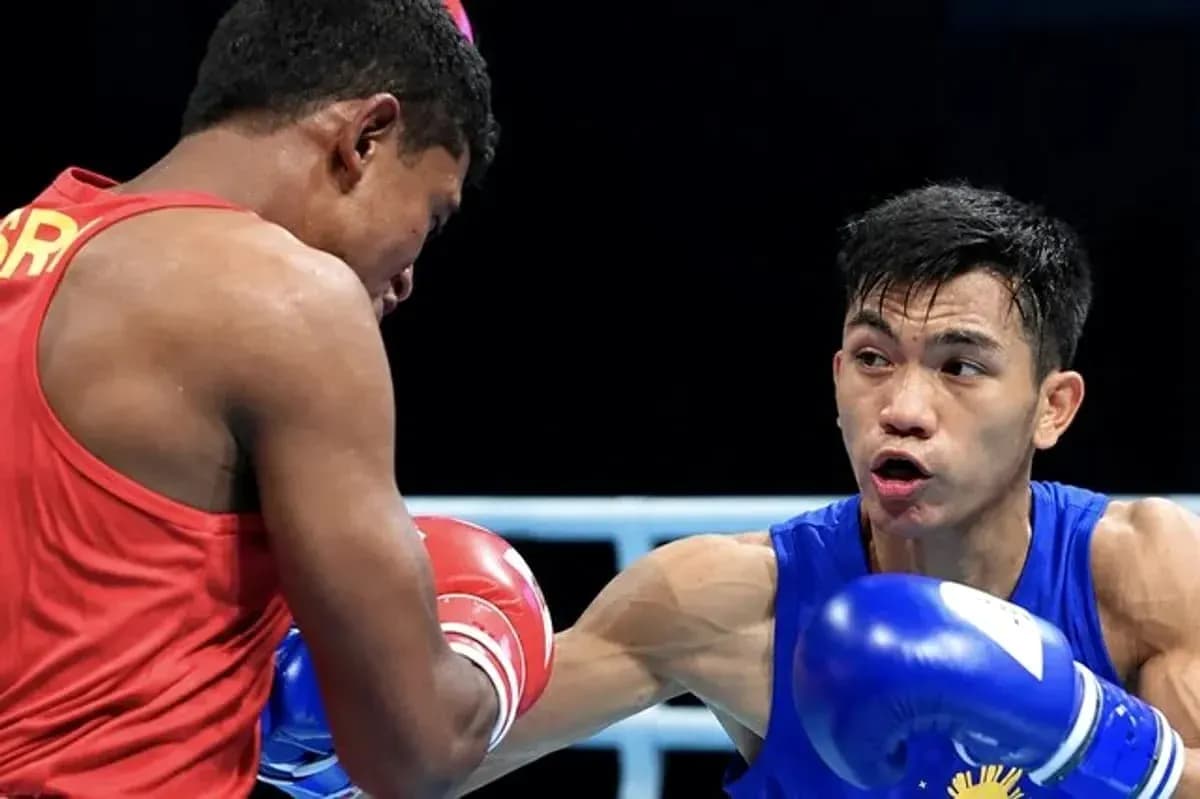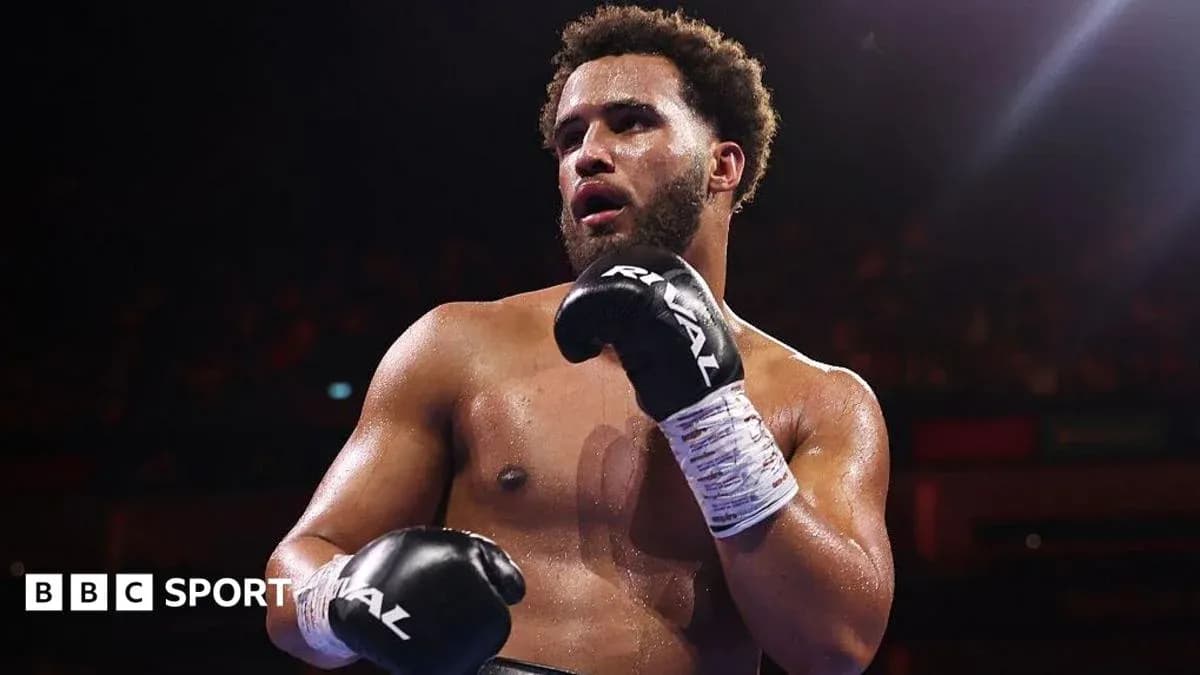
Moses Itauma used to walk into boxing gyms in his school uniform and embarrass grown professionals. On Saturday night at the O2 Arena, the roles flipped. The 21-year-old walked into his first world-title fight as the future of the division and walked out on a stretcher, schooled by a man who has lived the hard nights he has only read about.
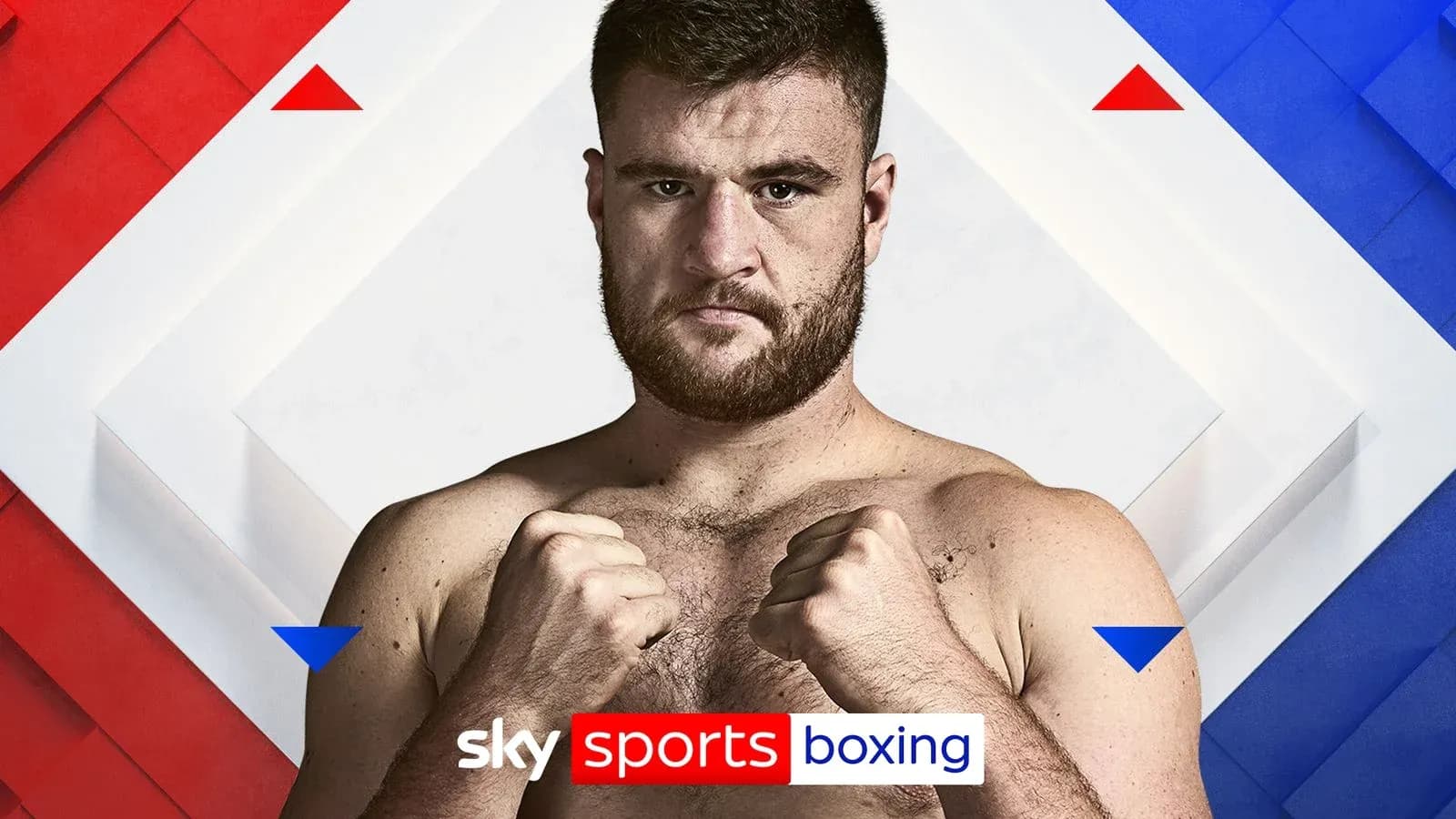
Filip Hrgovic is 34, scarred, and unremarkable to the casual eye until the bell rings. By the ninth round, that granite experience carried him to the vacant IBF heavyweight title, as the referee stepped in while Itauma’s corner hurled in the towel. The kid who had never been beyond six rounds as a pro had run out of road.
For a long time, it didn’t look that way.
Itauma started like the fighter everyone had been talking about. He was quicker. Sharper. More assured. The left hand kept finding Hrgovic’s head and chest, snapping it back, disrupting his rhythm, making the Croatian look heavy-legged and old. This was the version of Itauma that had people inside boxing whispering about a generational talent.
Yet even as he banked rounds, the sense of danger grew.
His mouth hung open, sucking in air. The bounce drained from his legs. Hrgovic didn’t panic, didn’t chase, didn’t waste. He just stayed in the pocket, kept his shape, and waited for the younger man’s body to betray him. He has known fatigue, pain, and doubt in 12-round fights. Itauma has only known domination.
By the time it ended, the sight was jarring. Itauma, beaten for the first time in his 15-fight professional career, left the ring on a stretcher and was taken to hospital.
"It's precautionary that he's gone to the hospital. That's what we always do to make sure because the most important thing is the boxer's health," promoter Frank Warren said. "He's done something to his leg as well and he was quite tired. It was a high paced, fast fight for both the guys."
This was not an exposure of a fraud. His boxing told a very different story. What it exposed was the gulf between having world-level ability and being ready for the brutal management of a 12-round world-title fight.
Mind Games, Fast Pace, Hard Lessons
Hrgovic did not win this purely with psychology, but he certainly set the tone long before the first bell. All week he hammered away at one theme: age. Itauma, he said, was "just a kid". It was needling, repetitive, and effective.
As the days went by, Itauma’s irritation grew. At the weigh-in, he lost his cool, shoving Hrgovic, who responded with a slap. For a fighter who prides himself on being cerebral, it was a telling moment.
Itauma reads psychology and self-help books. He talks openly about sharpening his mind, about introspection and mental edges. He is not the stereotypical heavyweight who leans only on power and size. But deep thinking carries a risk: it can slide into overthinking, the same charge often levelled at Anthony Joshua in recent years.
Once the fight started, his intentions were obvious. He wanted to end it early.
"Someone said to me he doesn't feel like he'd win a world title unless he knocks him out. I didn't like that," Warren admitted afterwards.
That mindset had served Itauma brilliantly against lesser opponents. He had blown through men who couldn’t handle his speed and spite. Hrgovic, though, is not one of those men. He is an Olympic bronze medallist, a veteran of 12 draining rounds with Zhilei Zhang, and a fighter who was ahead on two of the three cards against Daniel Dubois before cuts ended his night.
He knows what it feels like to be hurt and still be there. To be exhausted and still be dangerous. To be losing and yet remain in the fight. Itauma had never been asked those questions.
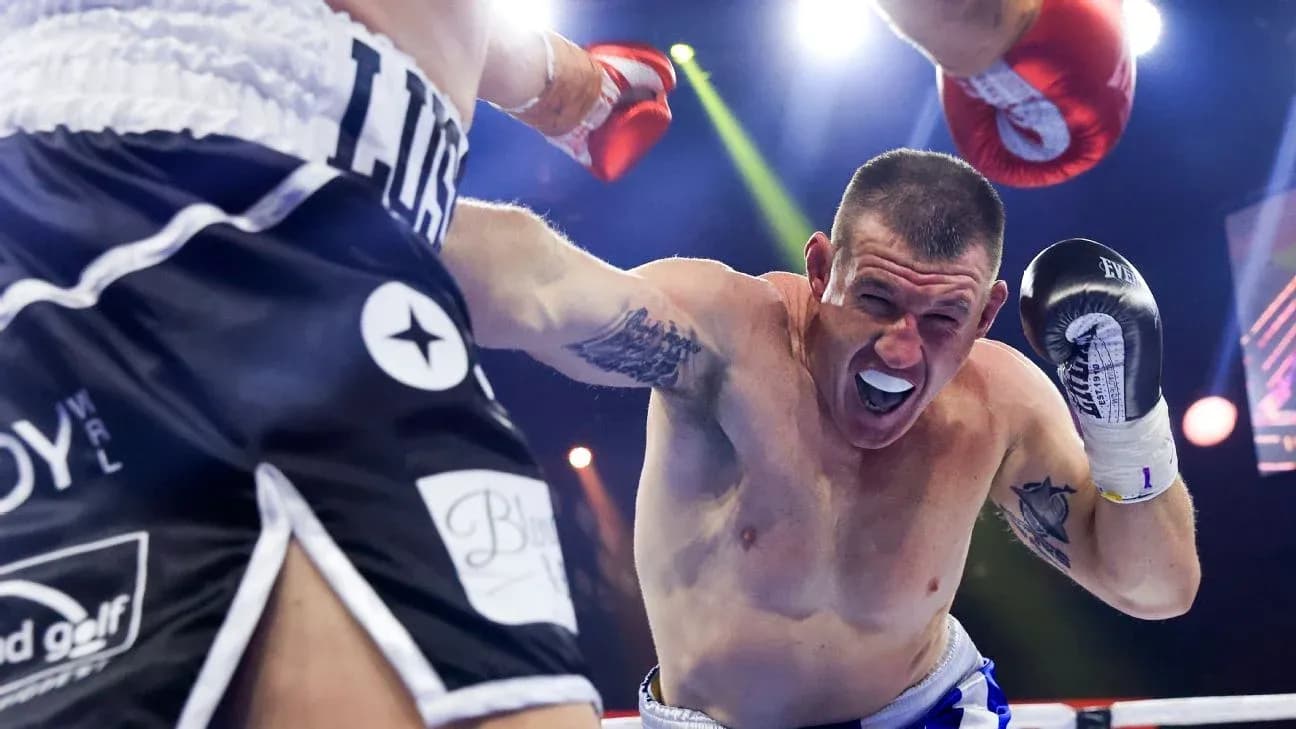
The eighth round captured the entire story. Itauma, sensing he might be close, emptied the tank. He threw more punches than in any other round, trying to bulldoze a man who had already shown he is exceptionally hard to move. It was thrilling, reckless, and revealing.
"He was throwing too much. He was fighting like an amateur," Hrgovic said. "I knew I needed to endure it. I need to stay there. He will get tired and I'll get him in the later rounds."
He was right. The pressure, the pace, the inexperience – it all folded in on Itauma as the fight slipped away.
Preparation Under the Microscope
The physical unraveling raised uncomfortable questions about the Chatham fighter’s preparation. Itauma admitted before the bout that he had never even sparred 12 rounds. For a man about to contest a world title scheduled for 12, that admission now feels damning.
His conditioning clearly fell short of championship standard. That responsibility does not sit solely on his shoulders. It also belongs to the experienced team around him, the people tasked with pacing his development and preparing his body for the reality of elite heavyweight boxing.
Yet even in defeat, crucial truths emerged in his favour.
He can take a punch. There was no single shot that shattered a supposedly fragile chin. He was not blown away; he was worn down. His hand speed bothered Hrgovic all night, making the Zagreb fighter look slow and cumbersome at times. The skills that dazzled against domestic and fringe opposition translated, at least in part, to world level.
So the question isn’t whether he belongs. It’s how he responds.
The Rebuild Starts Now
Hrgovic, the man who broke him on the night, offered clear, almost blunt advice.
"Don't give up. Don't lose confidence. Get a few easy fights, easy wins. Build again and learn off these mistakes. You can't box like an amateur. It's a 12-round fight, you need to pace yourself."
Warren remains all-in on his young charge. He still talks about Itauma as one of the most exceptional talents he has promoted, and he doesn’t have to look far for a blueprint. Daniel Dubois, a two-time world champion, rebuilt after painful, public setbacks and came back stronger.
British boxing also knows the darker version of that story. David Price once carried the same kind of heavyweight hope, the same aura of inevitability, before successive defeats stripped it away and never truly gave it back.
Itauma now walks that tightrope.
Every move from here will be examined. His conditioning. His pacing. His breathing between rounds. The mystique of invincibility has gone, replaced by something more fragile and, in its own way, more compelling.
Fans will watch not just to see how he wins, but how he copes when things go wrong. Whether the schoolboy prodigy becomes a hardened professional or a cautionary tale.
The lesson has been delivered. The next fight will show what, exactly, he took from it.