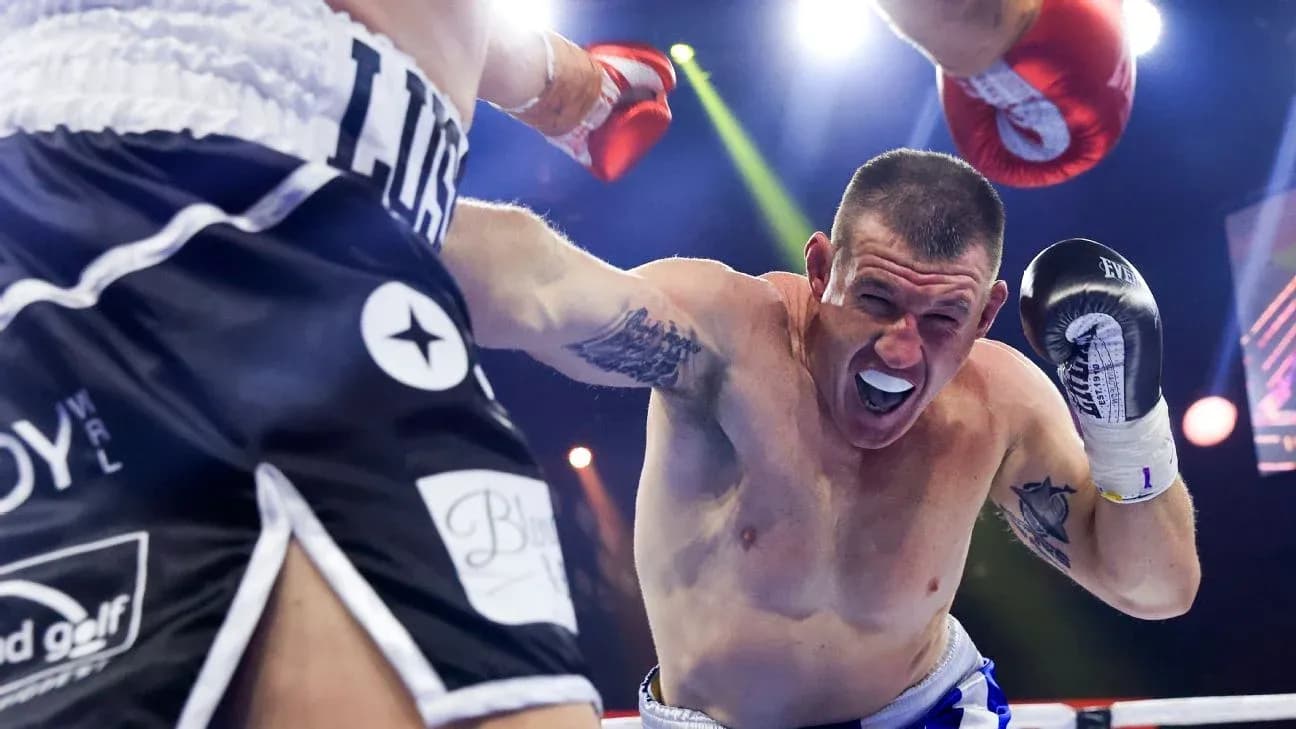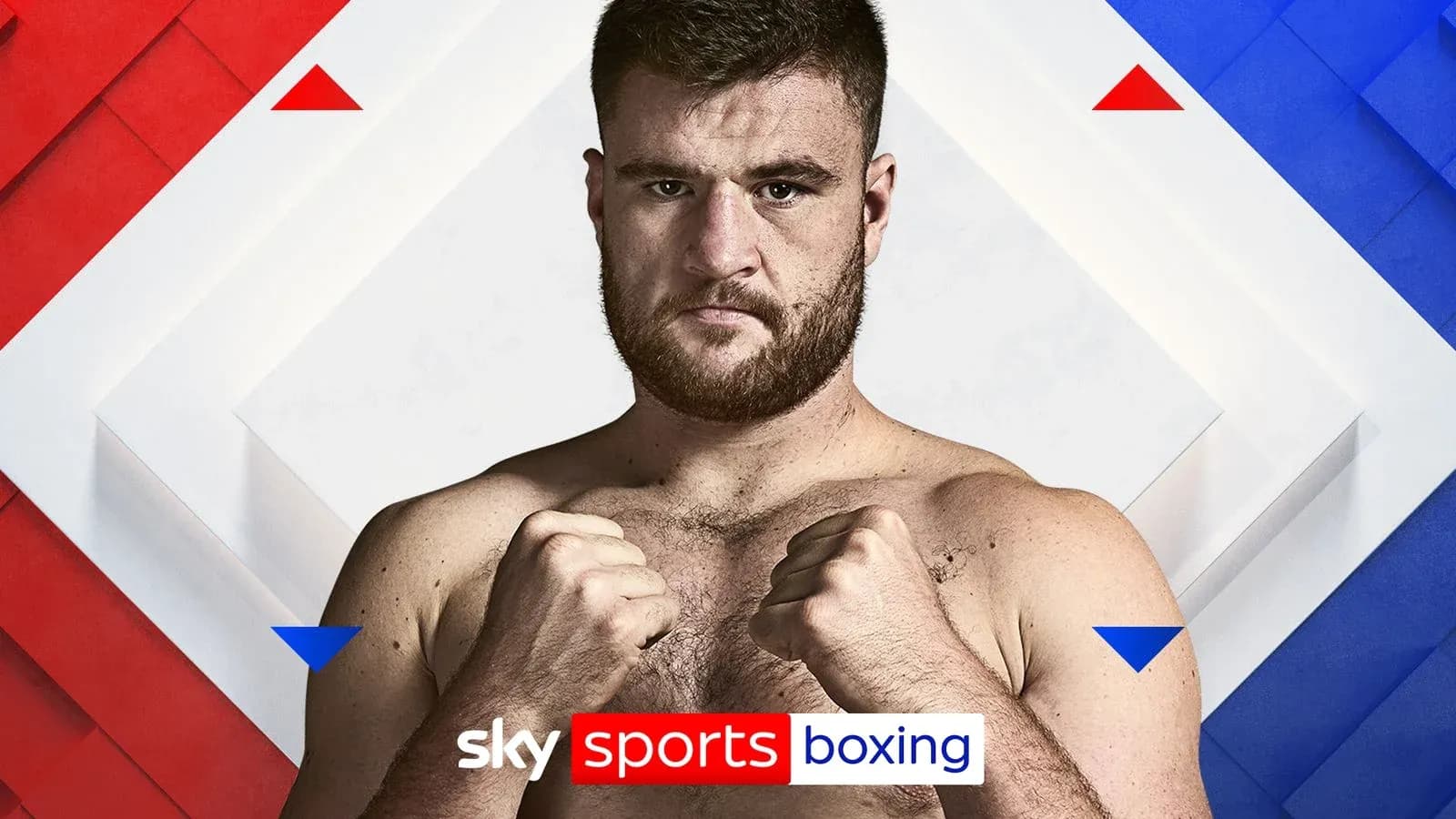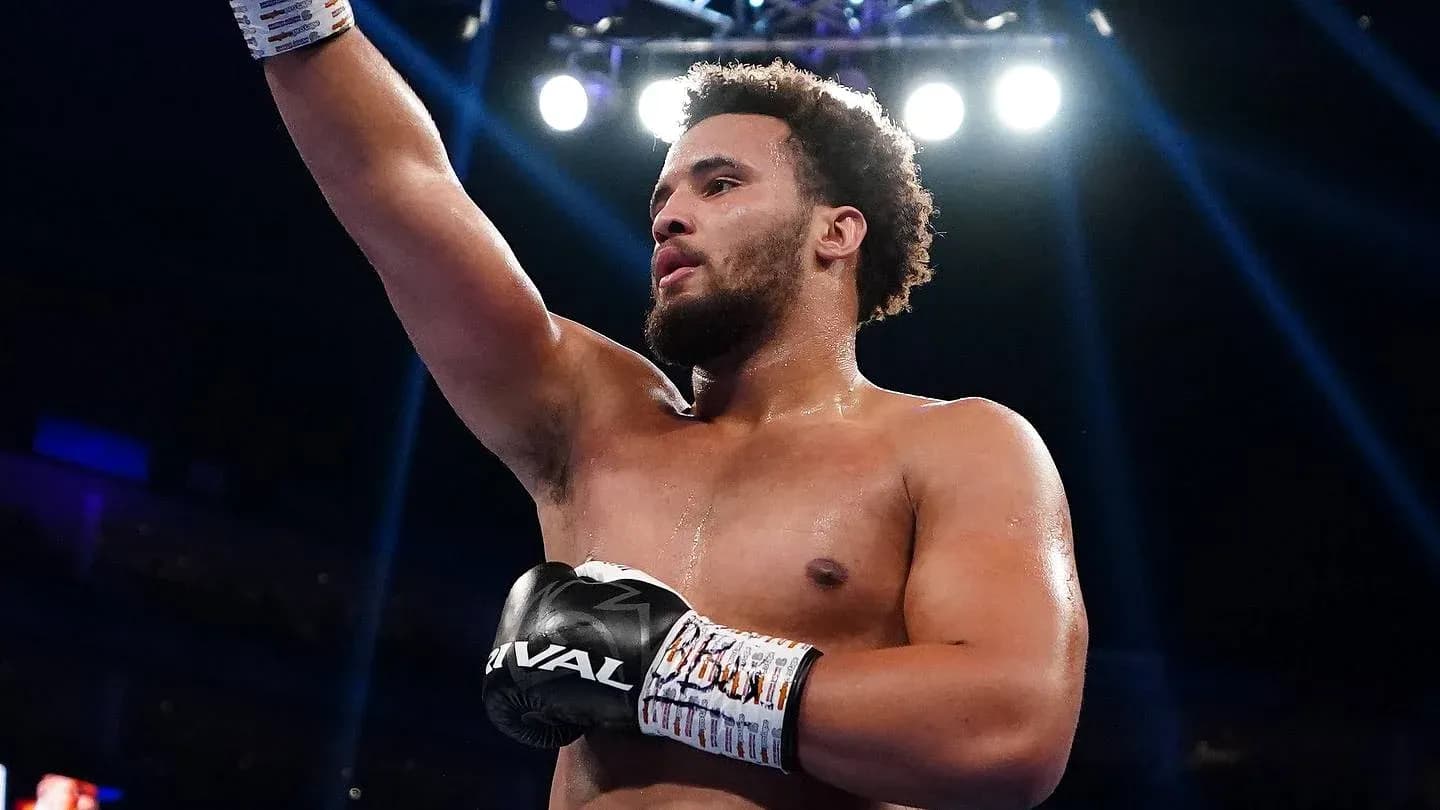
Moses Itauma is 21 years old and already walking toward a place most heavyweights only ever talk about. On Saturday night at the O2 Arena, under the lights and the roar of a partisan London crowd, he can become the youngest world heavyweight champion in British boxing history.
That’s the prize. The backdrop is far messier.
A title on the line – and a point to prove
Filip Hrgovic hasn’t just been selling a fight. He’s been chipping away at Itauma’s story, questioning the very foundations of the young contender’s rise.
Privileged. Spoiled. Handed everything.
Those are the labels Hrgovic has been happy to hang on the British prodigy in the build-up to their title clash. In his eyes, Itauma has been pampered on the way to stardom, fast-tracked and protected while others slogged through the small halls and obscurity.
Itauma has heard every word. He chose not to let them drift past.
This is a fighter who believes his résumé, still in its infancy, already answers plenty. Destructive wins over men like Jermaine Franklin, he argues, are not the work of a cosseted prospect. They’re the calling cards of a genuine contender, a heavyweight who finishes opponents in a way that can’t be faked or gifted.
For Itauma, the proof isn’t in marketing or matchmaking. It’s in the highlight-reel knockouts, in the conditioning, in the training sessions that nobody sees. That, he insists, is where he’s been forged – in the grind, not in the lap of luxury.
Shared roots, different narratives
Strip away the trash talk and there is a curious symmetry between the two men. Both Itauma and Hrgovic come from Balkan backgrounds, regions where boxing lives in the shadow of football and basketball, where funding is scarce and fighters often claw their way up with minimal backing.
Hrgovic, though, has painted a very different picture of their journeys. He has pushed the idea that while he fought for every inch, Itauma’s path has been laid out on a silver platter by his promoters.
Itauma doesn’t buy it.
“I don’t get treated the way I am for no reason; there's obviously something about me that Queensberry pushes,” he says, pointing to potential rather than privilege. For him, the attention is an investment, not a gift. “It’s not what I have done, but what I could do. And I feel like with every fight I have, I’m proving to them that I can do it; I am capable of what they think I’m capable of.”
So when he’s asked if he’s been treated like the golden child, he refuses the tag. Not because he thinks he’s had it hard, but because he believes he’s earned every bit of faith placed in him.
Then he turns the accusation back on Hrgovic.
Calling out the “head start”
If Hrgovic wants to talk about advantages, Itauma is ready with a pointed reminder: the Croatian’s Olympic medal.
“He also had an Olympic medal, which obviously, they don’t just hand them out,” Itauma notes. That medal, he argues, came with its own built-in platform – television exposure, name recognition, a queue of promoters. A launchpad that many pros can only dream of.
“With that Olympic medal, there came already a bit of a head start. Whereas there are certain guys that would have had to start from scratch. Small hall shows, probably even unlicensed and XYZ.”
In Itauma’s eyes, Hrgovic is no stranger to opportunity. The Croatian earned that medal, no question, but he also reaped the rewards. That, Itauma suggests, makes his opponent a poor spokesman for the hard-done-by.
“Filip Hrgovic still started with a head start because of an Olympic medal, which he did achieve, which he did earn. But I wouldn’t say that he has had the toughest route to where he's got to.”
Then comes the sharper edge. Itauma points to Hrgovic’s narrow, controversial win over Zhilei Zhang – a fight many felt could have gone the other way.
“I think he was very fortunate to get the decision of Zhilei Zhang. Had he not got that decision, would he have got all the fights that he’s had now? Do you know what I mean?”
It’s more than a dig. It’s a challenge to the very narrative Hrgovic has tried to build: the hardened warrior against the protected prodigy.
The talking stops at the O2
Strip it all back and the equation is brutally simple. Hrgovic is the sternest test of Itauma’s career, a seasoned contender with power, experience and a point of his own to prove. He believes the young star has been overhyped. He plans to expose him.
Itauma, for his part, looks anything but rattled. The verbal back-and-forth has sharpened the edges, but it hasn’t thrown him off. He has answered the jabs in front of the cameras. Now he wants to answer them under the lights.
On Saturday, the insults and accusations will fade into the noise of 20,000 voices. The only arguments that matter will be made with leather and willpower.
One man walks out with a world title and the right to say: I told you so.
The other walks out with questions that won’t be so easy to silence.