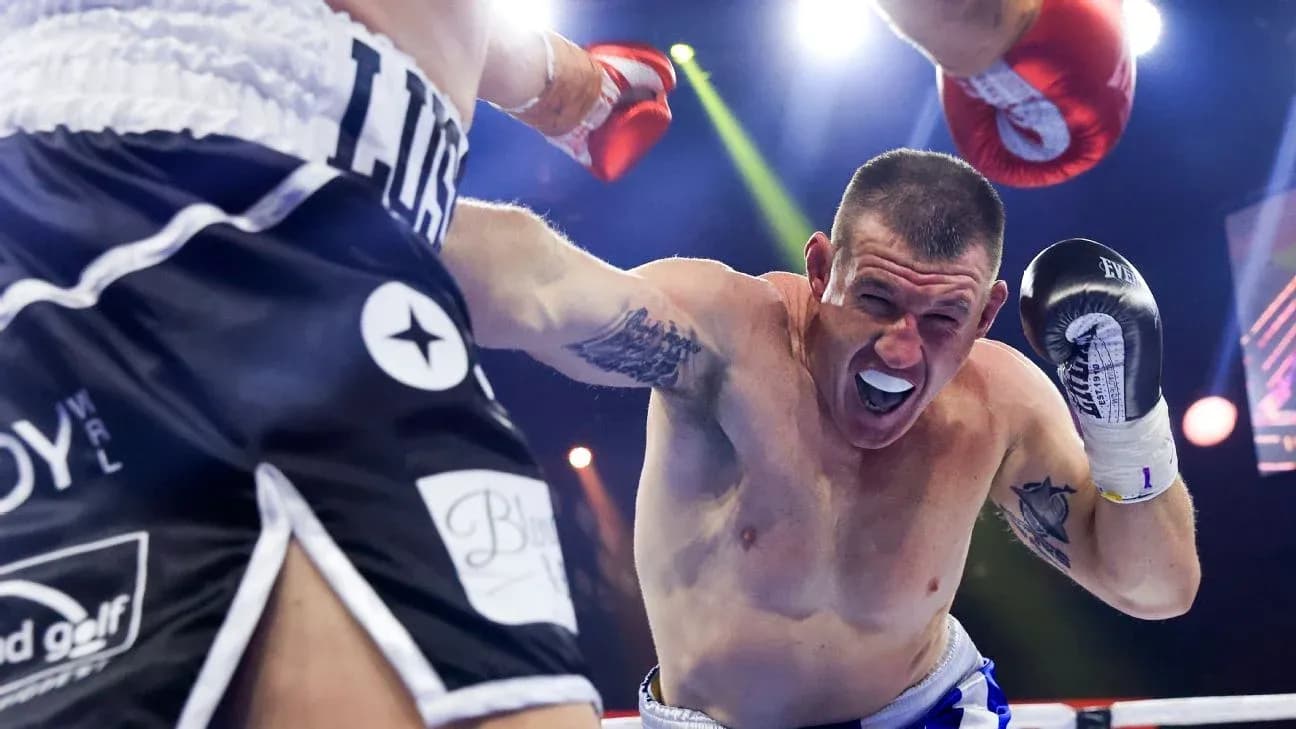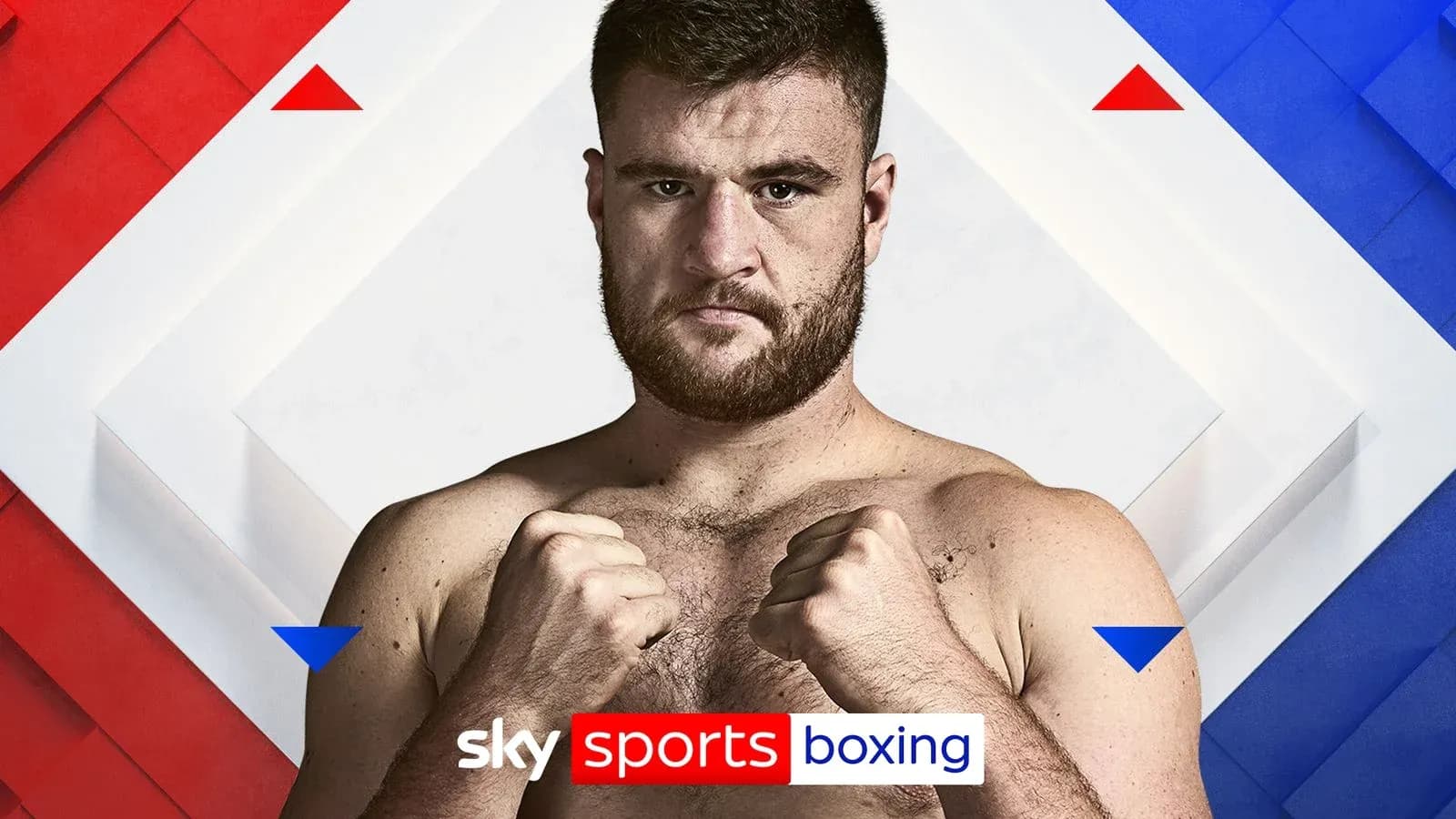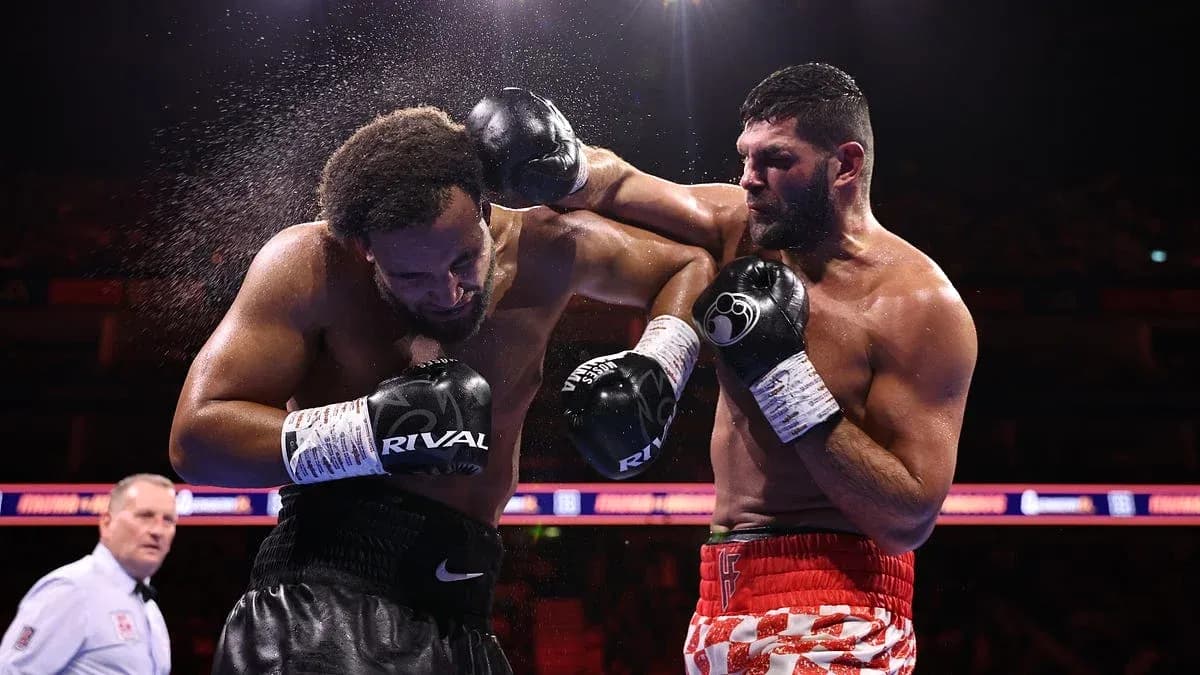
For eight rounds at a packed O2 Arena, it felt like boxing was about to crown its next young heavyweight monarch on schedule.
Moses Itauma, all speed and swagger at 21, tore into Filip Hrgovic as if the vacant IBF heavyweight title already belonged to him. He dropped the Croatian in the second round, beat him to the punch almost at will, and looked on course to become the second-youngest heavyweight champion in history, behind only Mike Tyson’s seismic arrival in 1986. A British prodigy about to join the sport’s most exclusive club.
The script, though, never asked Hrgovic for his approval.
A coronation put on hold
From the opening bell, Itauma’s advantage in speed was glaring. He slid in and out of range, snapped sharp combinations through Hrgovic’s guard, and made the older man look every one of his 10 years’ extra professional mileage. The knockdown in the second round only underlined the gap. Itauma timed him, hurt him, and briefly had the O2 roaring as if the finish might come there and then.
Hrgovic got up. Slowly. Calmly. And then he started to endure.
Blood soon trickled from a cut over his right eye. Itauma tagged him cleanly, again and again, but the Croatian’s chin held. His legs held. So did his belief. He had come in at 236.2 pounds, his lightest weight since 2019, and it showed in the way he absorbed punishment without folding. Every round he survived felt like a small victory.
Itauma, by contrast, was moving into territory he had never seen before. Just 31 professional rounds on his ledger. Never past the sixth. Never in with anyone remotely like this: an Olympic bronze medallist from 2016, a seasoned contender who had spent a decade learning how to suffer and still be dangerous.
The gap in experience, hidden early by Itauma’s brilliance, began to creep into view.
Deep water, rising fast
On the cards, Itauma was in control. He had banked rounds, scored the knockdown, and shown why so many had anointed him the next great heavyweight. Yet as the fight crept past the halfway mark, the dynamic changed. The young man’s pace dipped. His punches lost snap. The bounce in his legs flattened into a slog.
Hrgovic, still standing, had exactly what he wanted.
He leaned on every trick he had picked up across a long amateur and professional career. He rode shots better. He timed his own counters. He pressed just enough to make Itauma work, just enough to make every second feel heavier than the last. The cut over his eye, the earlier knockdown, the clean blows he’d taken – none of it pushed him toward panic. It pushed him toward resolve.
The O2 could sense the shift. The fight that had looked like a coronation started to resemble a test of survival.
The champion’s finish
By the ninth round, Itauma was running on fumes. His arms looked heavy, his movement laboured. Hrgovic, smelling the moment, did what hardened contenders do when the door finally opens: he walked through it.
The pressure told. The older man’s punches, once sporadic, now carried the weight of inevitability. Itauma, utterly exhausted, could no longer mask his inexperience with speed. He wilted under the assault, and Hrgovic closed the show with an ultra-dramatic knockout that flipped the narrative on its head and placed the IBF heavyweight belt around his waist.
The arena, sold out and largely primed for a British celebration, instead witnessed a lesson in the cruelty of heavyweight boxing. Talent and promise lit the early rounds. Durability, conditioning, and ring wisdom decided the last one.
Itauma left the ring on a stretcher and was taken to hospital as a precaution. A heavy favourite going in, he had looked every bit the future of the division until the moment the fight demanded a past he simply doesn’t have yet – years of hard rounds, late-fight crises, and the knowledge of how to manage both.
Hrgovic had targeted exactly that gap. Take the “green” phenom into deep water and drown him. It sounded brutal in the build-up. It turned out to be prophetic.
On a night built to launch a new era, it was the veteran contender who refused to move aside, dragged the prodigy into places he’d never been, and walked out of London with the world title. The question now is simple: how quickly, and how brutally, will this first real scar shape the career of Moses Itauma?