On Saturday night at London’s O2 Arena, British boxing might just gain a new heavyweight world champion – and a very young one at that.
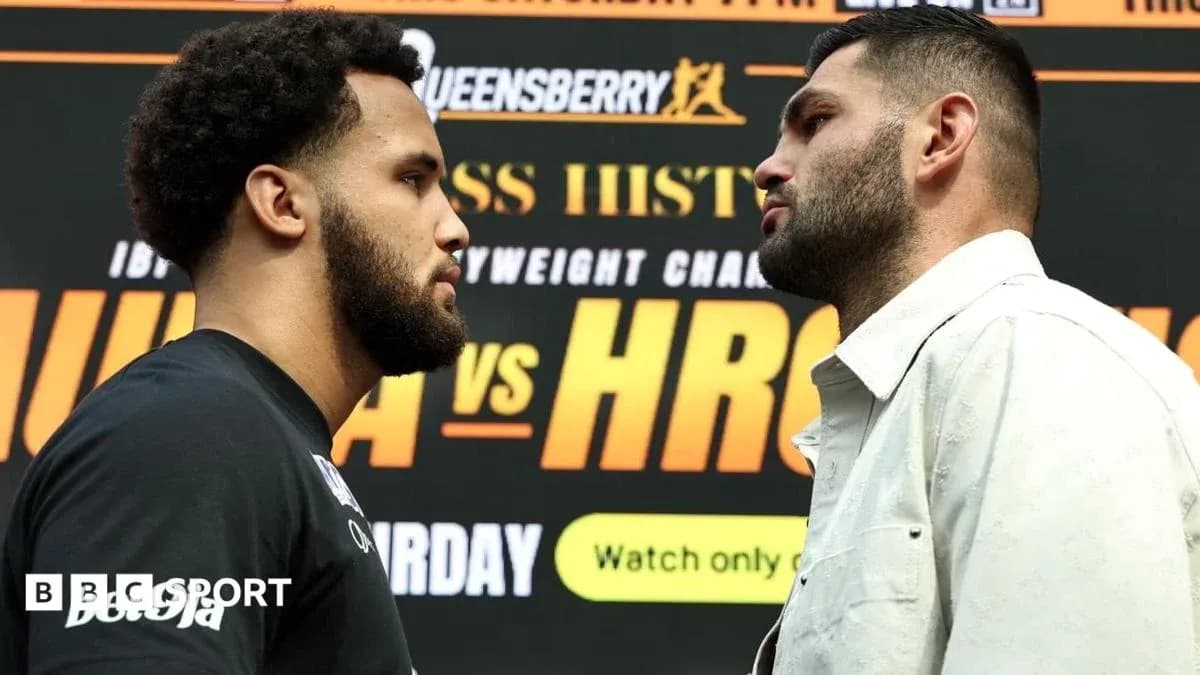
Moses Itauma, 21 years old and barely out of the prospect phase, steps in with Croatian contender Filip Hrgovic for the vacant IBF heavyweight title. Fourteen fights, fourteen wins, twelve stoppages: Itauma has moved like a man in a hurry. Beat Hrgovic and he becomes the youngest heavyweight world champion since Mike Tyson ripped through Trevor Berbick in 1986.
That’s the scale of the opportunity. The scale of the risk is called Hrgovic.
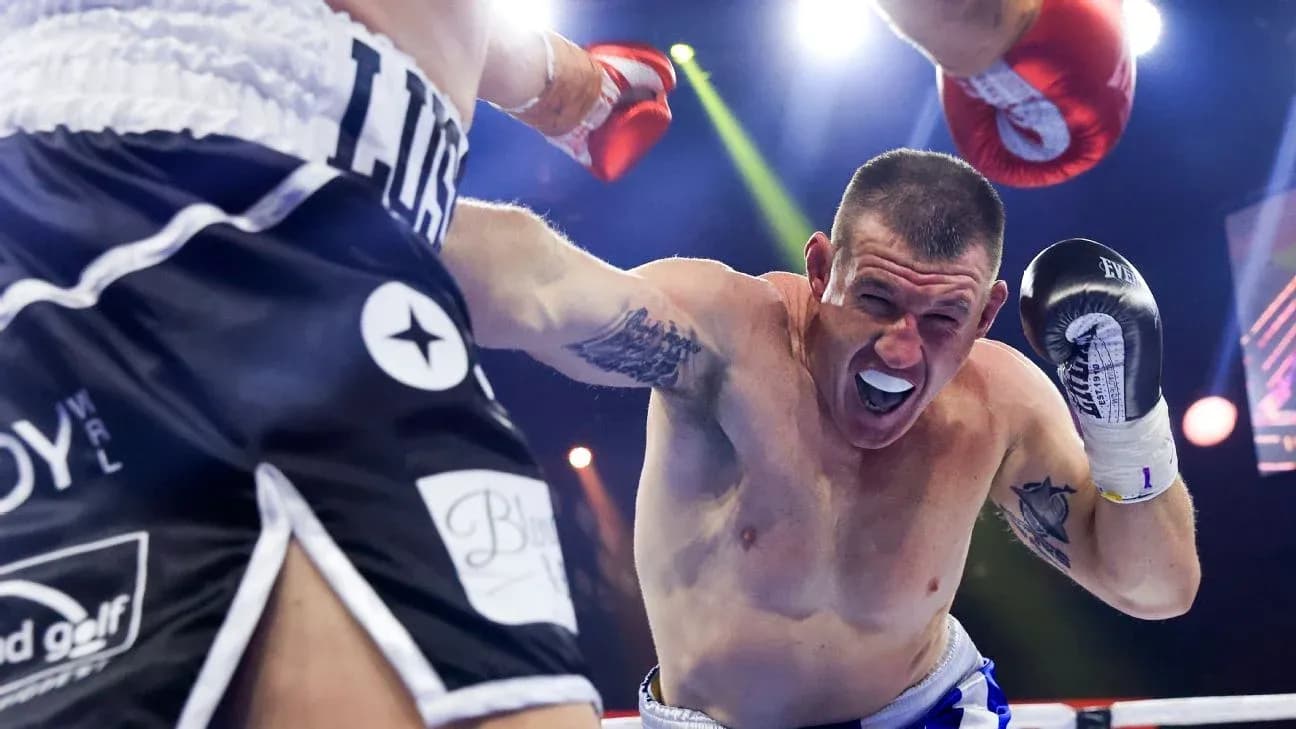
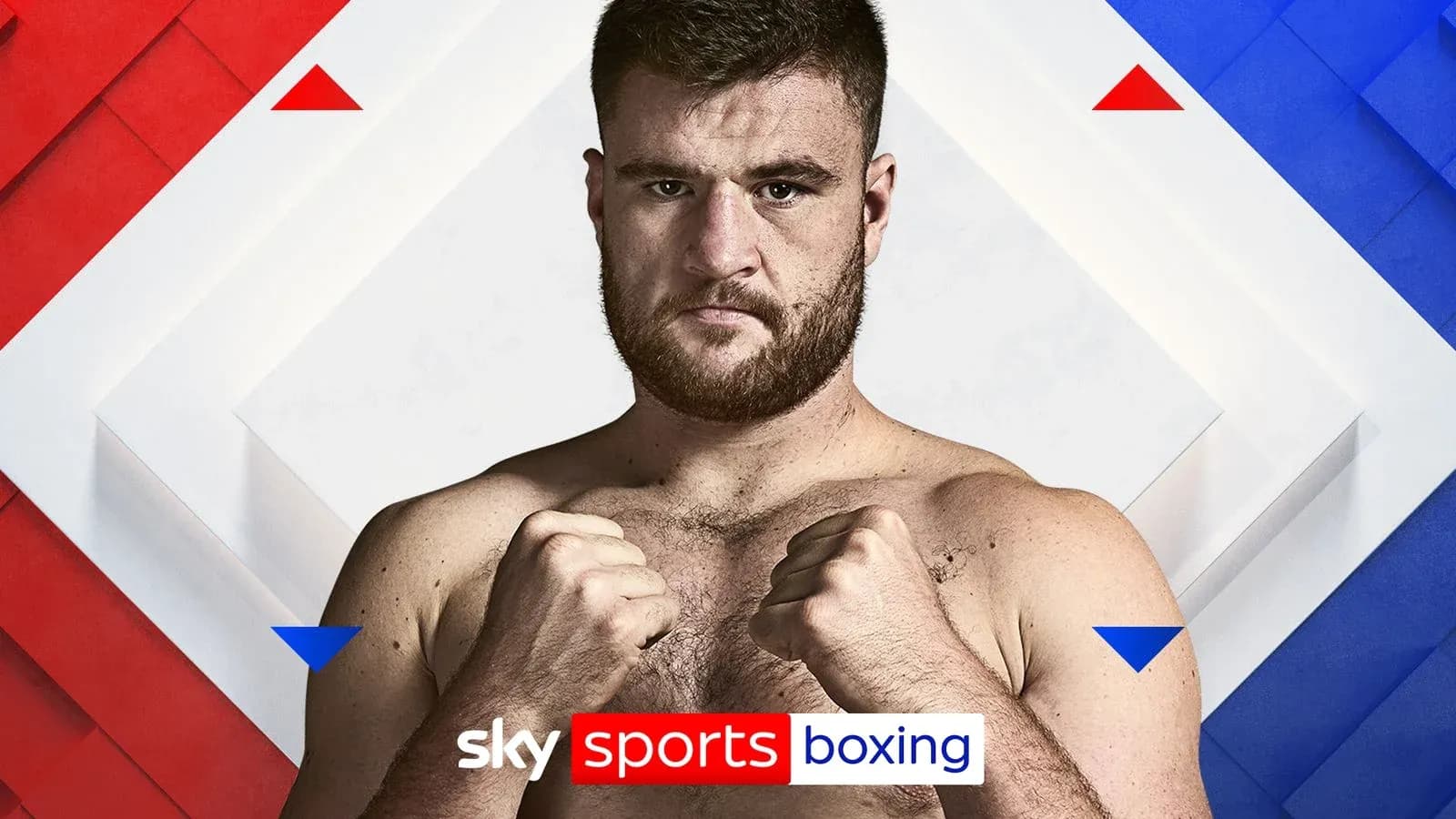
The 34-year-old Croatian is no soft landing. An Olympic bronze medallist in 2016, he brings a 20-1 record with 15 knockouts and the kind of hardened experience Itauma simply cannot match yet. He has been hit, hurt, dragged long, and he usually finds a way to stay upright and dangerous.
On paper, it’s the classic crossroads fight: the fearless young puncher against the battle-tested veteran. In the gyms and studios, though, the mood is far less conflicted.
Across the boxing world, the verdict is almost unanimous. They expect Itauma to win – and win big.
One seasoned observer calls Hrgovic “possibly the best fighter for him to face” at this stage. A test on the record, but not in reality. In that view, Itauma won’t even feel serious pressure. The prediction is blunt: this could be one of the easiest nights of his career, ending with a world title belt around his waist.
Others see more jeopardy, but the same outcome.
There is recognition that Itauma remains unproven over the championship distance. Fourteen fights, yes, but not many rounds. Hrgovic, by contrast, has built a reputation on toughness, on absorbing punishment and still trudging forward. That resilience lingers in the minds of those who have watched him up close.
The imagined script runs two ways. Itauma might blow him away early, using that sharp accuracy to detonate clean shots before Hrgovic can settle. Or the Croatian might ride out the early storm, dragging the younger man into a rougher, more complex fight in the later rounds.
Even then, the consensus doesn’t waver. The expectation is that Itauma still comes out on top. Hrgovic’s tendency to cut is a recurring theme. With the volume and precision of Itauma’s punches, several pundits can see the referee or doctor stepping in with the Croatian’s face badly marked and bleeding.
The stylistic clash fascinates those who have followed Itauma’s rise. They see this as the examination he has needed for some time. No middle ground, they argue: either Itauma gets rid of Hrgovic inside three rounds, or the bout turns into the “acid test” that finally reveals how deep his engine runs.
Hrgovic brings bravery, size and stubbornness. He also brings flaws. He stands tall, comes forward in straight lines and can be easy to hit. Against a heavyweight with Itauma’s timing, that is a dangerous posture.
Supporters of the Briton talk about “the whole package”: a heavyweight with the footwork and speed of a cruiserweight, snapping in and out of range, punching with spite. That blend of agility and power has led some to predict a ruthless finish inside three rounds.
The praise around Itauma is not quiet. One voice goes as far as to say they would back him against any heavyweight on the planet – initially with the exception of Oleksandr Usyk. After watching Usyk’s recent outing against Rico Verhoeven, even that caveat has started to fade in their mind.
Even the more measured assessments circle back to the same point: speed and timing. Hrgovic, they say, will ask more questions than anyone Itauma has faced. He will be physically strong, technically capable, and determined to drag the younger man into uncomfortable territory. But they believe Itauma’s sharpness will slice through that.
The imagined finish varies. Some see a stoppage in the sixth or seventh round, with knockdowns along the way as Itauma repeatedly beats Hrgovic to the punch. Others lean towards a quicker ending – four or five rounds – with either a clean knockout or another cuts stoppage as Hrgovic’s skin “shreds” under sustained, accurate fire.
There is respect for the Croatian’s durability. He is labelled “very tough,” but also “one dimensional” with his feet, lumbering forward, leaning back in straight lines and leaving himself there to be hit. In that picture, Itauma closes the distance smartly, or steps back and punishes him with savage counters as he retreats.
On paper, the résumé gap is clear: Hrgovic has the deeper ledger, the bigger names, the longer nights. That’s exactly why some in the sport feel a quiet thrill about what might unfold.
They talk openly about the possibility of a young heavyweight who could “change the landscape.” They highlight Itauma’s speed, his agility, and – crucially – his thought process in exchanges. That ring IQ, they argue, already sets him apart from the current crop.
The boldest predictions all land in the same zone: Itauma to win inside six rounds, wearing down a robust, physically imposing opponent and making a brutal statement in the process.
On Saturday at the O2, the numbers and the belts will finally replace the talk. Either a seasoned contender restores order, or a 21-year-old from Chatham rips up the script and drags the heavyweight division into a new era.