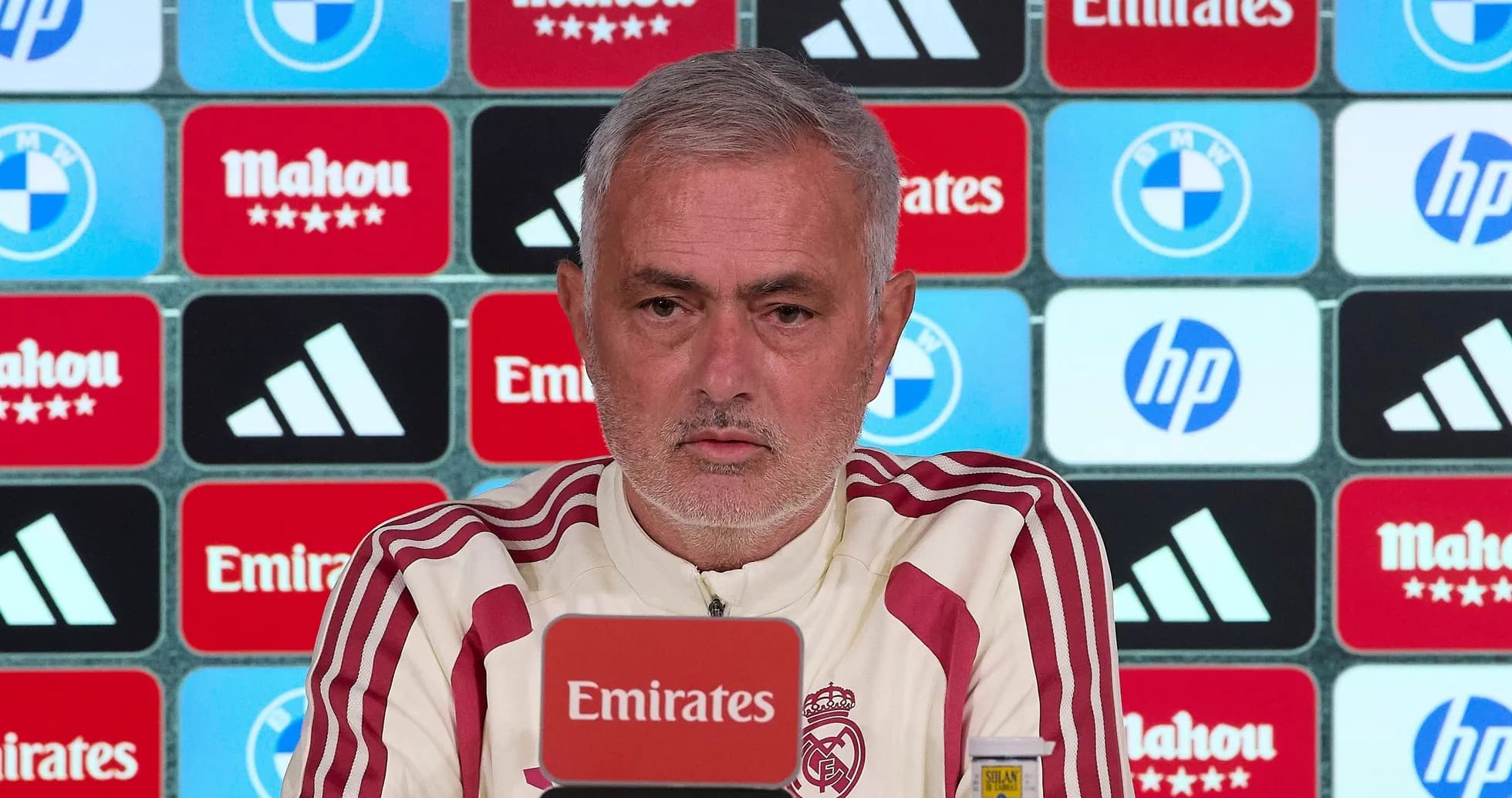
José Mourinho does not often admit to fear. Not publicly, and certainly not on the eve of a league game. So when he sat down before Real Madrid’s trip to Mestalla and called Valencia away “one of the toughest games in the whole of La Liga”, the message was deliberate.
This was not theatre. It was a warning.
A draining trip, a dangerous rival
Madrid arrive in Valencia still feeling the weight of a gruelling night in Greece. The flight back from Athens cut into the small hours, the recovery window shrunk, and the calendar has given them no mercy.
“The problem for me is tomorrow's match,” Mourinho stressed, pushing aside any talk of the looming international break. The national teams, he said, are “not my problem”. His focus is fixed on a rival he clearly respects and a coach he clearly rates.
“Valencia's coach is extremely difficult, he has great experience, he knows what he wants, and he has a clear philosophy in working with teams,” Mourinho said. “It will be an exceptionally difficult match. I feel afraid of tomorrow's game, and I mean afraid in quotation marks.”
That last line carried a familiar Mourinho twist. Fear as a tool. Fear as concentration. He wanted it out there: Madrid are walking into a trap game, and they know it.
Valdebebas lockdown and a jab at La Liga
The toll of the trip to AEK Athens forced Mourinho into an unusual decision. When the squad landed back in Spain at three in the morning, nobody went home.
“We arrived at three in the morning, but we stayed at Valdebebas, and no player went home, in order to get two extra hours of sleep,” he revealed.
It was a tiny gain, but one he felt he had to squeeze from a brutal schedule. The medical reports, he insisted, were “positive”, and he pushed back against any attempt to paint the situation as a crisis. “There is no need to exaggerate and portray things as catastrophic,” he said.
Then came the sarcasm.
Asked about the quick turnaround and the rest arrangements, Mourinho turned his answer into a pointed swipe at the league’s scheduling.
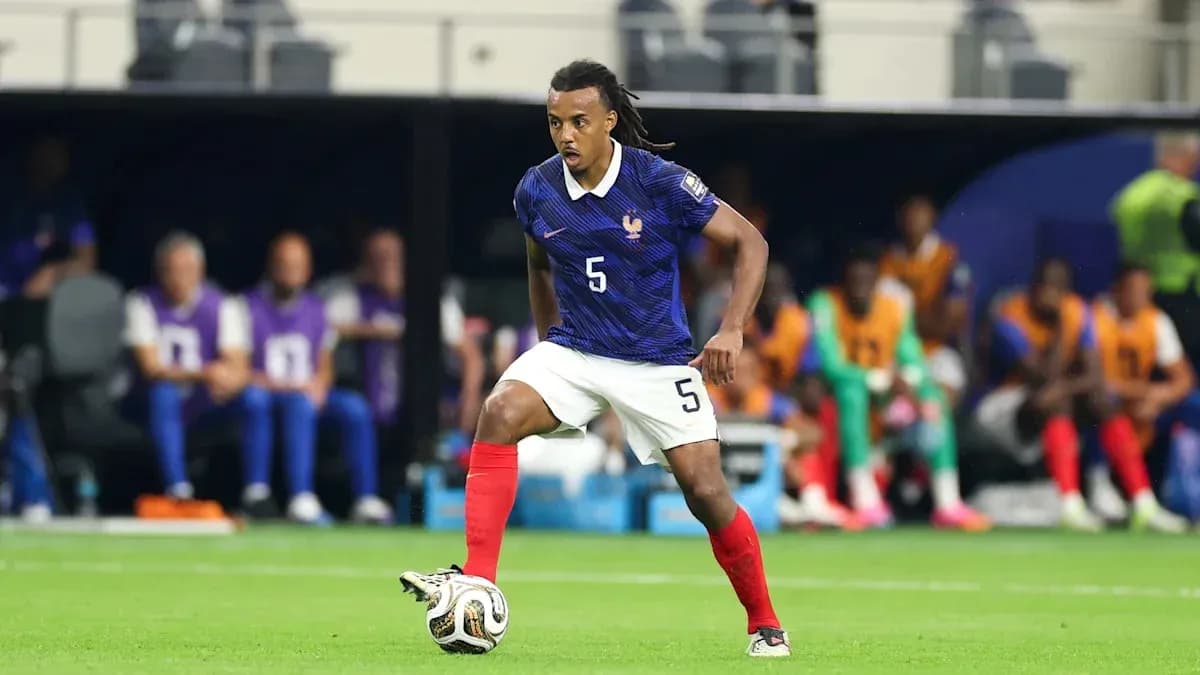
“Konaté and Huijsen will play tomorrow,” he said. “And thanks to the decision to hold the match on Saturday, the players who will join their national teams will be refreshed, and I will give them a day to rest.”
The words said one thing; the tone said another. The subtext was clear: La Liga’s calendar has left Madrid stretched, and he wants that on record before a ball is kicked at Mestalla.
Valverde, the quiet captain
If the trip to Athens drained legs, it also strengthened a conviction inside the Madrid dressing room: Fede Valverde is becoming one of the pillars of this team.
The Uruguayan’s ability to cover multiple roles is well known. What has grown, and what Mourinho underlined, is his authority.
“I cannot compare him to what he was last season, because I did not know him then,” Mourinho admitted. “He is a wonderful professional, a friend to his teammates, and he does not need to be a voice present every second, but he is always there as a role model for everyone.”
Valverde is not the shouting, finger-pointing type of captain. He leads by presence, by intensity, by the reliability of his performances. Mourinho believes the armband has sharpened that edge.
“Officially giving him the captain's armband gave him a sense of responsibility, because carrying Real Madrid's captain's armband is not an easy matter,” he said.
In a week of fatigue and tight turnarounds, that kind of steady figure becomes even more valuable.
A tribute beyond football
The press conference eventually stepped away from tactics and fatigue to something far more delicate: the calls to cancel the round of fixtures after the death of Jesús de Miguel.
Mourinho handled it with restraint and respect.
“According to the information that reached me, there will be a beautiful tribute ceremony, and I see that this matter carries an important significance,” he said.
He refused to claim certainty over what the right decision would have been, placing that judgement with those closest to the player.
“If it were possible to speak with Jesús and put the question to him, that would be the ideal decision,” he reflected. “But since that is impossible, only his family and teammates can answer what Jesús would have preferred, and whether he would have wanted no football matches to be held, or to be remembered through a beautiful and comprehensive tribute from the whole of Spanish football.”
So Madrid travel to Mestalla under floodlights and scrutiny, legs heavy, minds sharpened, their coach publicly “afraid” and privately demanding. The schedule has squeezed them, Valencia are rested and ready, and La Liga offers no sympathy.
On nights like this, fear is not an excuse. It is the standard Mourinho is setting for how seriously Real Madrid must take the challenge in front of them.