NBA Focus for 2026-27 Season: Stricter Calls on Push-Offs, Flopping, and Screens
The NBA is zeroing in on several specific issues as the 2026-27 season kicks off, aiming to create a fair balance between offense and defense. James Jones, head of basketball operations, emphasized the league's desire to tighten calls on certain physical plays that affect game flow.
Four Main Points of Emphasis
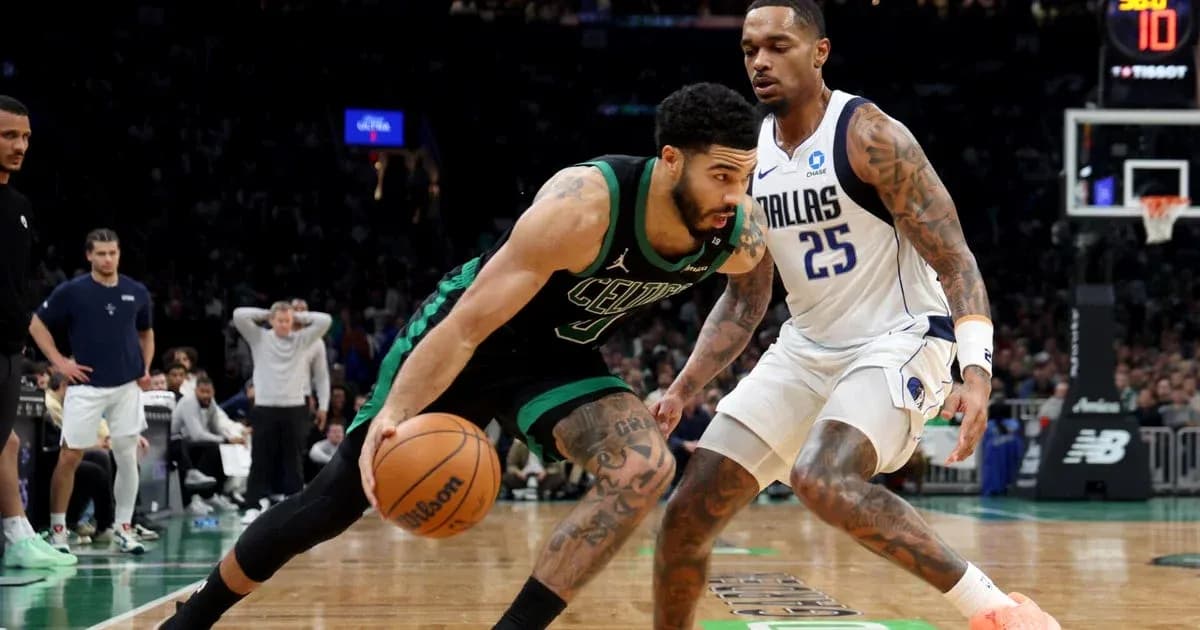
- Off-arm push-offs: Offensive players using their arms to shove defenders away and gain shooting space.
- Two-hand shoves on screens: A targeted crackdown on a particular type of screen involving two-handed pushes rather than screening technique.
- Freedom-of-movement violations: Defenders grabbing or clutching offensive players off-ball to slow them down.
- Straight-line pathway contact: Both attackers and defenders creating contact to either prevent shots or draw fouls.
Push-Offs Explained
Monty McCutchen, head of referee development, outlined the "four Fs" officials will use to judge push-offs. If an offensive player is mostly using leg strength or just feeling out a defender, play continues. But if there is clear forceful contact or full arm extension to create space, a foul will be called.
"The competition committee was really clear: Get rid of the full extensions," McCutchen said. "We expect our staff to have a strong visual understanding of what that looks like."
McCutchen admitted these calls can seem subjective. What one official views as firming up position, another might see as forceful contact. The goal is consistency through ongoing feedback from the competition committee, especially early in the season. The hope is that calls will even out by playoffs time.
Cracking Down on Flopping
The NBA plans to enforce stricter penalties on flopping. Officials will assess whether players exaggerate contact using the STEM criteria: secondary, theatrical, exaggerated movements such as wild arm flailing or unnatural falls that could risk injuring others.
"Coaches, players, fans — they don’t like it. We don’t like it. It’s not good for our game," said Jones.
McCutchen added referees must penalize floppers consistently without letting theatrics obscure legitimate fouls.
"We can call an offensive foul and also recognize secondary, theatrical movement," he said. "Both can be true."
Notably, head snaps alone won’t count as flops, so watch for that next time you see a player like Jalen Brunson with his hair flying.
Screening and Physicality
The league is focusing on discouraging guards from using two-handed pushes during screens, which rely more on brute strength than positioning and skill. As teams increasingly play positionless basketball, guard-to-guard screens have become common, sometimes involving illegal arm use to gain advantage.
"We never want strength to be the thing that dictates," McCutchen said. "Basketball is about positioning, quickness, and getting to spots first."
Early Season Whistles and Adjustments
Expect more fouls called in the opening weeks as players adjust to new enforcement standards. Jones noted how quickly players adapt within possessions, making micro-adjustments faster than anyone else.
Officials are also encouraged to communicate clearly with players, especially younger referees building rapport with veterans. Silence or unresponsiveness can come across as arrogance, so earning trust is key.
"No answers is not acceptable," McCutchen said. "We have to build good relationships."
Referees Working Toward Consistency
McCutchen acknowledged perfection is impossible but believes errors will decrease significantly as officials refine their approach.
"If we’re making 10 inconsistent errors now, we’ll reduce that considerably and improve," he said.
Jones summed up the importance of fair officiating for the quality of the game.
"Better calls let players compete and create memorable moments for everyone," Jones said.