NBA Preseason Insights: What We’ve Learned About All 30 Teams So Far
With the NBA regular season approaching fast, it’s a good moment to reflect on what the preseason has revealed. This period is when teams lay groundwork, figure out their goals, and test what they think will lead them there.
Getting off to a strong start can really shape a team’s year. Each season, some squads surprise early on, build confidence, and sustain that success. So what are teams aiming for? What still needs work? And how much faith should you put in your squad’s potential? Let’s explore what has stood out so far.
Eastern Conference
- Atlanta Hawks: They need to build on last season’s post-All-Star break momentum. Jalen Johnson’s growth is key, especially his half-court calm and developing midrange and pull-up threes. His ability to score without help defense stepping in will be crucial. Also, watching Lu Dort and Dyson Daniels defend simultaneously is impressive, even if it strains spacing.
- Boston Celtics: Trading Jaylen Brown signals Boston doubling down on quick ball and player movement. A healthier Jayson Tatum looks sharper and more decisive. Paul George’s versatility combined with young wings helps the active defense, which aggressively protects the paint and makes offense easier to run. Joe Mazzulla’s use of Mitchell Robinson and Neemias Queta together should be interesting.
- Brooklyn Nets: The youth movement shines with players like Mikel Brown Jr. showing early promise. Nolan Traoré excels shooting and changing speeds, while Egor Dëmin attacks more aggressively. Noah Clowney and Day Ron Sharpe contribute with activity and three-point shooting. Julius Randle stabilizes half-court play with drives and playmaking, setting up teammates well—nine assists in one half is notable.
- Charlotte Hornets: Depth stands out as they try to build on last year. Naz Reid’s ability to drive and beat switches and Brandon Miller’s determined drives are promising. Moussa Diabate’s energy on both ends is a constant. Offense creation remains a challenge in a league that anticipates their style.
- Chicago Bulls: Sometimes it seems the Bulls lack height, but the tinkering with personnel has been fun. Tiago Splitter’s use of varied screens opens lanes for Norman Powell and Caleb Wilson. Buddy Hield’s off-ball movement creates space, and Jalen Smith’s five-out spacing benefits teammates like Matas Buzelis and Wilson. Leonard Miller’s contributions deserve attention.
- Cleveland Cavaliers: Peyton Watson’s shot-making is slow to arrive but his defensive switching and containment stand out, easing pressure on the Cavs. Offensively, increased elbow actions and staggered big lineups add size and versatility. James Harden has returned to taking midrange jumpers.
- Detroit Pistons: Adding shooting has helped as they focus on ball and player movement, using pindowns, flares, and handoffs to keep offense flowing. Cade Cunningham’s threat draws defensive attention and Ausar Thompson shows growing confidence attacking preferred spots.
- Indiana Pacers: Tyrese Haliburton’s return revives offensive flow, while Ivica Zubac impacts both ends through screening, rolling, and passing. Defensive rotations and coverage disguises involving Zubac will be key to their consistency and potential breakout.
- Miami Heat: Giannis Antetokounmpo’s presence spaces the floor and pressures defenses. Using him on-ball screens and pindowns with Klay Thompson rolling to the weak side adds layers to Miami’s drive-and-kick style. Andrew Wiggins benefits from generated shots. Defensive mix of switches, drop coverage, and zone will shape progress.
- Milwaukee Bucks: The Bucks have taken many threes—137 out of 275 attempts so far—highlighting today’s trend or perhaps just easy looks. Brayden Burries’ aggression and Nate Ament’s energy (before injury) stand out. Coach Taylor Jenkins faces the task of defining identity and maximizing this new roster.
- New York Knicks: After winning a title, the Knicks are reestablishing their base on offense and defense. Movement, flow, and cutting dominate their approach while reinforcing defensive principles. The second unit’s performance varies, though Andre Drummond’s defense and handoff play have been solid.
- Orlando Magic: Orlando shows promise playing at a faster tempo with quicker decisions and ball movement. Keeping wings clear allows stars Paolo Banchero and Franz Wagner to exploit advantages. Guards dive into stack pick-and-rolls, and side-to-side action helps overall offense. Defense must improve to maintain gains.
- Philadelphia 76ers: Limited sample but the starting lineup hints at plenty of space for individual players. LeBron James’ playmaking at the elbow or top of the key could unlock motion, linking well with Joel Embiid on short rolls. Tyrese Maxey’s speed and scoring off-ball add another dimension. Defense still needs refinement.
- Toronto Raptors: Kawhi Leonard’s return opens options with off-ball screens and pindowns. The Raptors bring intense defense with high activity, pressure, and rotations. Scottie Barnes and Kawhi create havoc on opposing offenses. Immanuel Quickley and RJ Barrett contribute on both ends. Watch Collin Murray-Boyles’ 3-point development.
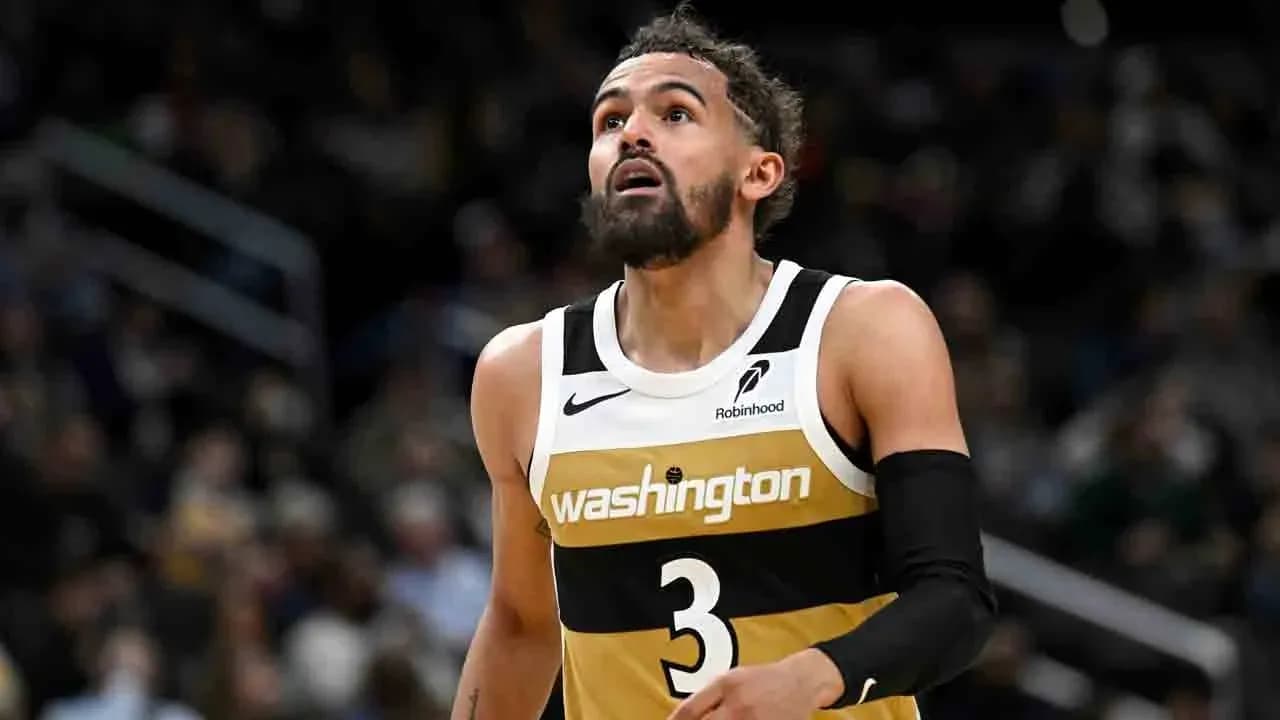
- Washington Wizards: Trae Young and Anthony Davis have played with determination or indifference to outside views. Their pick-and-roll combinations give the young Wizards a powerful offensive weapon. Young’s downhill drives and passing help open opportunities. AJ Dybantsa’s aggressive approach and energetic younger players add life and chances to grow.
Western Conference
- Dallas Mavericks: Spacing and cutting dominate when Cooper Flagg and Kyrie Irving share the court. The Mavericks often set actions on both sides to force defensive decisions. Leveraging Irving and Flagg’s off-ball reads could help them flourish. Smaller lineups with more wings might be explored.
- Denver Nuggets: The starting lineup’s quality remains evident with Jamal Murray and Nikola Jokić making standout plays, including fancy passes. Aaron Gordon’s offensive growth last season was vital, and Cam Johnson’s added experience helps. DeMar DeRozan contributes valuable plays off the second unit.
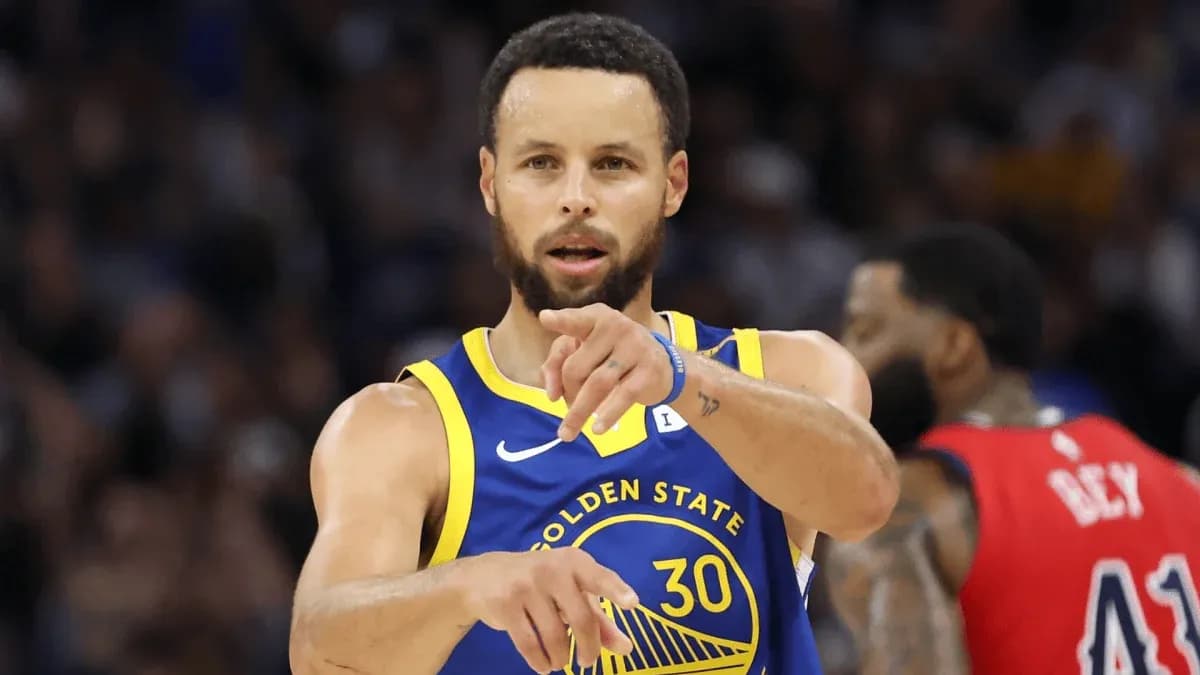
- Golden State Warriors: Yaxel Lendeborg’s impact comes with confident drives and shooting, plus hustle plays like diving for loose balls. Defensive consistency would boost the Warriors alongside Stephen Curry and Draymond Green. Evolution is necessary to translate preseason promise into playoff success.
- Houston Rockets: Marcus Smart fits Houston’s needs well, reducing pressure on Reed Sheppard to make plays. Fred VanVleet’s return steadies the half-court. The Rockets push pace and shoot more threes, balancing tempo control. Amen Thompson’s comfort and Alperen Şengün’s quick decisions are crucial. Kevin Durant remains a game-changer.
- LA Clippers: Injuries continue to challenge the Clippers. Darius Garland looks ready to exceed previous performance with no hesitation offensively. The supporting cast’s contributions, including Keaton Wagler’s highs and lows and Brook Lopez’s drives, will determine overall balance.
- Los Angeles Lakers: Luka Dončić adds pressure before pick-and-rolls with more movement. Austin Reaves shows increasing confidence in creating offense. Sandro Mamukelashvili’s versatility spaces the floor, and Walker Kessler’s defensive timing enhances rim protection. JJ Redick’s belief in this roster is visible in their play, especially when Luka or Reaves lead lineups defensively.
- Memphis Grizzlies: The offense flows naturally with clear goals. Cameron Boozer’s versatility shines; whether posting up or running flare screens, he adapts smoothly. Passing and scoring threats emerge depending on positioning. Ty Jerome’s deceleration and stepback moves win hearts.
- Minnesota Timberwolves: Starting lineup comfort is a highlight. Tempo is no longer an issue. LaMelo Ball’s fast passes add a new layer, while Anthony Edwards thrives off-ball with various actions. Jaden McDaniels remains aggressive and functional in offense. Jonathan Kuminga’s defense impresses. Chemistry may develop faster than expected.
- New Orleans Pelicans: Talent is abundant but cohesion is uncertain. Questions linger about focal points, defensive capability, and balancing around Zion Williamson without hindering his unique impact. Trey Murphy III’s potential remains untapped. Lineups show promise but sustaining it for full games is a challenge.
- Oklahoma City Thunder: Jalen Williams appears rejuvenated with energetic drives and defense. Aday Mara and Jared McCain show readiness to seize chances. Shai Gilgeous-Alexander’s off-ball role increases movement and sudden attacks. If his passing reads become automatic, an additional offensive layer emerges.
- Phoenix Suns: How the Suns build on last year’s work is the question. More involvement for Jalen Green might help, blending scoring and playmaking, especially in dribble handoffs and pass-and-cut actions.
- Portland Trail Blazers: Damian Lillard’s return remains impressive without overburdening him. Off-ball usage opens movement and eases his load. Guard combos featuring Ja Morant, Jrue Holiday, and Scoot Henderson offer exciting guard play. Three-guard lineups might increase, given Jrue’s versatility.
- Sacramento Kings: Darius Acuff Jr. has space to showcase scoring, supported by Domantas Sabonis’ screens and handoffs. Ben Simmons returns looking spry and confident, still a fan of spin moves and midrange stepbacks.
- San Antonio Spurs: Stephon Castle, De'Aaron Fox, and Dylan Harper started together, raising questions about their simultaneous offensive growth. Harper shows no hesitation; Castle’s downhill drives and skip passes remain underrated. Fox seeks to quiet Finals critics. Size variations appear in lineups. Victor Wembanyama’s quick transition play hints at future improvements.
- Utah Jazz: Coach Will Hardy encourages offensive freedom. Lauri Markkanen’s positional flexibility anchors the attack, while Keyonte George and Darryn Peterson develop chemistry and attacking ability. Jaren Jackson Jr. enjoys more space for perimeter drives. The Jazz’s early zone defense signals a disruptive intent.