
The first snow of winter has barely settled on Oslo before the work begins. Tractors crawl across the Ullevaal pitch, staff from the Norwegian Football Federation lean into their shovels, and the country’s national stadium is scraped back into shape.
The ground has been a talking point for years. Even Erling Haaland had a pop at it back in March, questioning a surface that had become a national irritation before remedial work in the summer finally brought it up to standard.
Now it is Norway themselves who look in need of repair.
This is the team that went unbeaten through 2025, that rode a wave all the way to a World Cup quarter-final, that thrashed Italy twice on the road to their first major tournament since 1998 and then knocked out Brazil in New Jersey for good measure. A golden generation, with Haaland, Martin Odegaard and a supporting cast drawn from Europe’s top leagues. A squad that changed the way a country thought about its football.
And yet, here they are: three defeats in a row for the first time in a decade.
The bare numbers don’t scream crisis. Two of those losses came against Portugal, a heavyweight of the international game. Their previous three-match losing streak, in 2016, included Azerbaijan and Belarus. The context is different now, though. Back then, Norway were scrapping for relevance. Today, they are judged against the standards they themselves have set.
When this Nations League campaign kicked off, the script felt almost written. Stale Solbakken’s side were supposed to be pushing Portugal for top spot in Group A4, using the competition as a platform to cement their place among Europe’s elite and to keep the World Cup momentum rolling.
Instead, the table tells a harsher story. One win from four. Bottom of the group. Level on three points with Wales but sitting beneath them on head-to-head record.
The only team Wales have beaten in the campaign? Norway, in Cardiff a month ago.
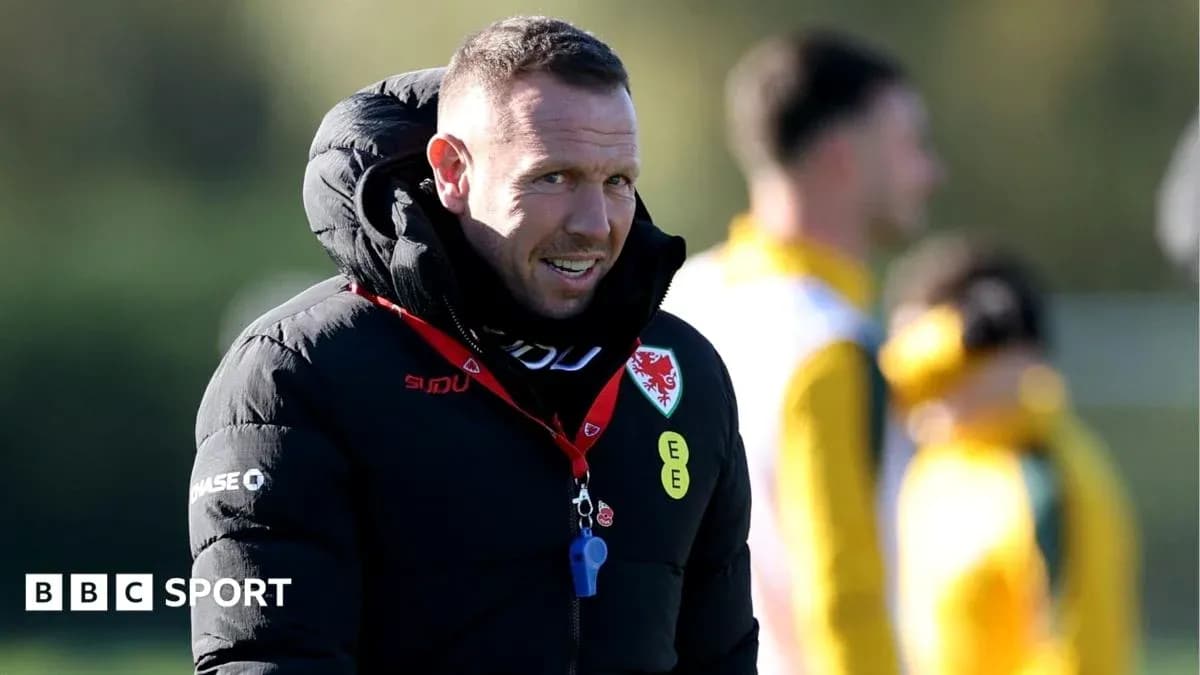
On Saturday, Rob Page’s successor Craig Bellamy brings his side to Oslo with the chance to join a very exclusive club. Over the past three years, only Portugal and world champions Spain have come here and won a competitive fixture. Wales now eye the same feat, with snow on the ground and tension in the air.
Bellamy, typically, is not shying away from the scale of the occasion.
"The way we look at it is this is the type of game we want to be playing in," he tells BBC Sport Wales. Norway, he says, are a collective you “have to like”, packed with individuals who demand respect. The World Cup run proved their threat to everyone watching, and in his view they are not a flash in the pan. This is a team built to last the next five to ten years.
That is what makes this meeting so sharp-edged. Both sides still have a mathematical route to the Nations League quarter-finals, but nobody is pretending that is the main storyline anymore. Survival in the top tier has become the real prize.
Finish third or higher and the reward stretches beyond the Nations League. It would secure top seeding for Euro 2028 qualifying, a protective shield against being drawn alongside Europe’s giants. For nations like Wales and Norway, that status can shape an entire cycle.
"It'll go a long way to us having an opportunity of being seeded one, which is huge for us, but it isn't going to be given to us," Bellamy says. The message to his players is blunt. They will have to take it.
He expects Norway to come out swinging, fuelled by frustration, pride and a home crowd that has grown used to watching a side on the rise, not one glancing nervously over its shoulder. Bellamy’s answer is equally straightforward: "fight fire with fire". No retreat, no low block, no quiet night.
"So, to me," he adds, "it's a shootout."
Snow on the stands, scars on the pitch, and two nations staring at the same narrow escape route. For Norway’s golden generation and Wales’ new era, this is not just another Nations League fixture. It is a test of who still believes their story is heading upwards.





