
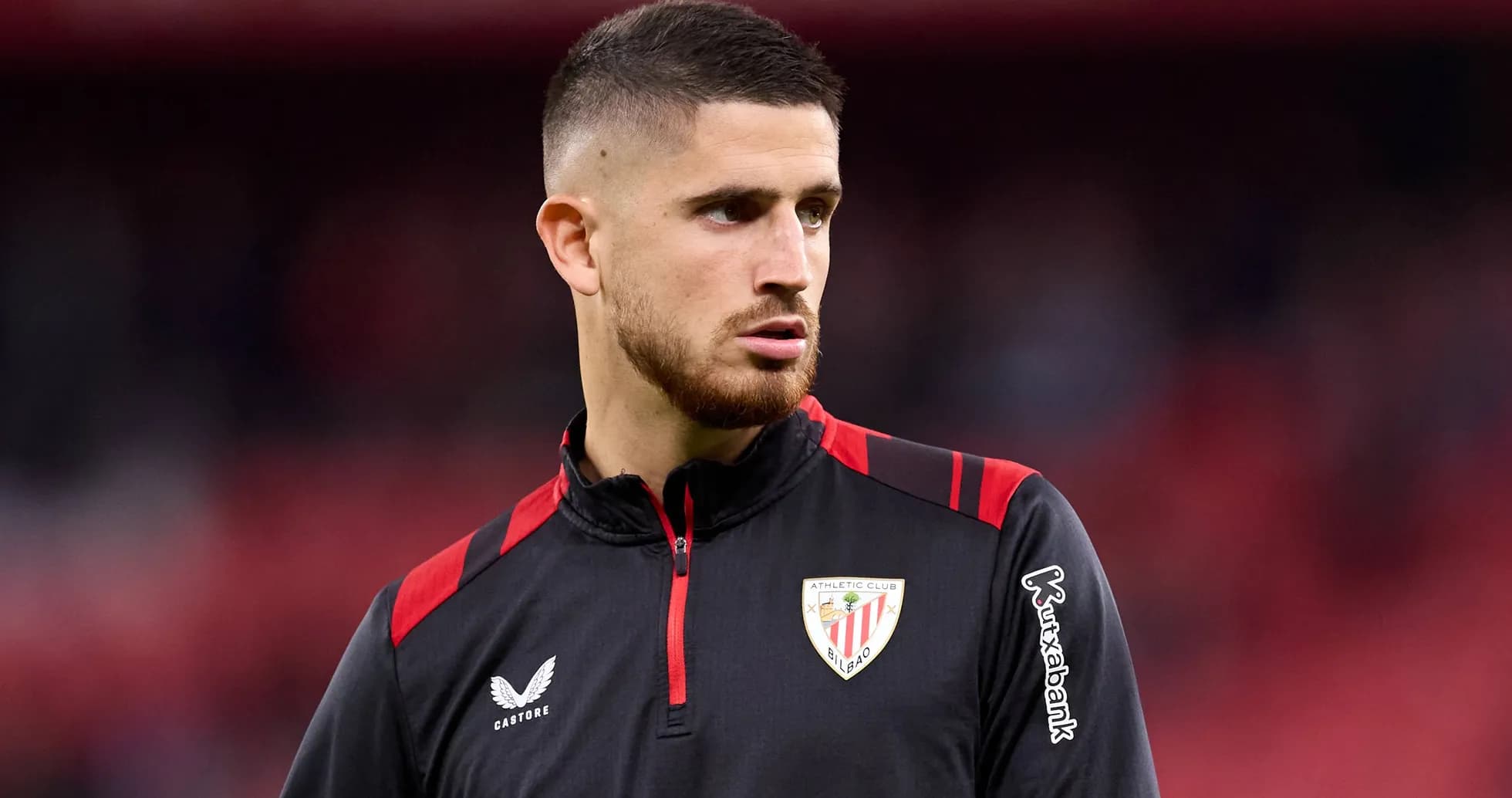
Oihan Sancet has already scored for Spain. Now he wants to dream with the Basque Country.
On Saturday, the Athletic Club midfielder will pull on the green, red and white of Euskal Selekzioa for the first time, and he did not hide what that shirt means to him or where he hopes it can one day lead.
“It is a source of pride to play for the team you love, and hopefully it will happen and we can one day play in a World Cup with our country's national team,” he told reporters at Lezama, laying out a vision that stretches far beyond a spring friendly against Venezuela at San Mames.
A camp with a cause
This is no routine get-together. Jagoba Arrasate’s squad reported for a two-day camp at Lezama on Thursday with a clear backdrop: the Basque Football Federation has reapplied to Spain’s National Sports Council for official recognition, looking to follow the path already opened in surfing and Basque pelota.
Saturday’s match is loaded with symbolism. It coincides with the 90th anniversary of the first Basque Government, and San Mames – the cathedral of Athletic – will again serve as a stage for a team that, for now, exists in a grey area between unofficial selection and national side.
The preparations have not been smooth. Fitness problems forced Aitor Fernandez, Dani Vivian and Hugo Rincon to withdraw, disrupting Arrasate’s initial plans. The response was swift: Unai Marrero, Andoni Gorosabel and Benat Prados came in, with Igor Zubeldia also called to bolster the defensive line.
The group is still strong. And, as Sancet insists, ambitious.
“We have a great team and a lot can be achieved,” the playmaker said, summing up the mood more than any tactical briefing could.
Sancet fully fit and fully committed
Sancet arrives at this camp with something to prove on two fronts. He missed four matches for Athletic with a muscular problem but declared himself “fully recovered” and sees the Venezuela game as a springboard back to rhythm.
Facing a competitive South American opponent should help. “It will help me get back up to speed,” he said, treating the occasion as both a personal tune-up and a historic step.
The Navarre-born midfielder has already lived the emotional high of scoring on his senior debut for Spain, against Scotland in a Euro 2024 qualifier in 2023. Yet his words this week underlined a different kind of attachment – one tied to territory, culture and a flag that still waits for a FIFA code.
For Sancet, the Basque shirt is not a consolation. It is a parallel dream.
Arrasate: belief, precedent and a packed San Mames
On the touchline, Arrasate brings the authority of a coach who has seen regional recognition battles up close. The Osasuna boss referenced the success of Basque pelota, where the region has already claimed Jai Alai and doubles hand pelota world titles under its own name.
“I experienced the pelota situation first-hand with people from Berriatua who travelled to Argentina and Uruguay, and I am proud of what they achieved,” he said. “Every sport has its nuances and there will undoubtedly be competing interests, but the first step is genuine determination, and I believe we have that.”
The evidence of that determination was clear last year, when 51,000 fans turned out to watch Euskal Selekzioa face Palestine. That night raised expectations.
“The bar is set very high, but we are full of enthusiasm,” Arrasate admitted. He knows what this fixture demands, not just in terms of result but performance, image and noise.
“When the players pull on this shirt, they give everything they have. I see a spark in their eyes, an eagerness to perform well, and why not win again? We have the quality to compete against top national sides, and Saturday is a great stage to show that.”
The message is simple: this is not a testimonial. It is a showcase.
Rituals, remembrance and a rotating XI
Before the ball rolls at San Mames, there will be a nod to history across the border. The squad will train in an open session on Friday morning at Saint-Jean-de-Luz, offering fans a rare close-up, then head to lay flowers at the grave of Jose Antonio Aguirre, the first Basque president.
The gesture is deliberate. This team is not just warming up for 90 minutes of football; it is positioning itself within a political and cultural story that stretches back generations.
On the pitch, Arrasate plans to use the night to its fullest. He intends to field two different line-ups so that every player sees action against Venezuela. It is a coach’s way of balancing the competitive edge with the selection’s wider mission: to involve, to unite, to give the shirt weight for as many as possible.
Once the final whistle blows, the players will scatter back to their clubs and domestic campaigns. The Basque team will slip out of view again, as it always does between these brief windows.
But if Sancet’s words and Arrasate’s conviction carry any influence, the next time Euskal Selekzioa gathers, it may be one step closer to the recognition they crave – and to the day when a Basque World Cup dream is more than just a midfielder’s hopeful line at Lezama.





